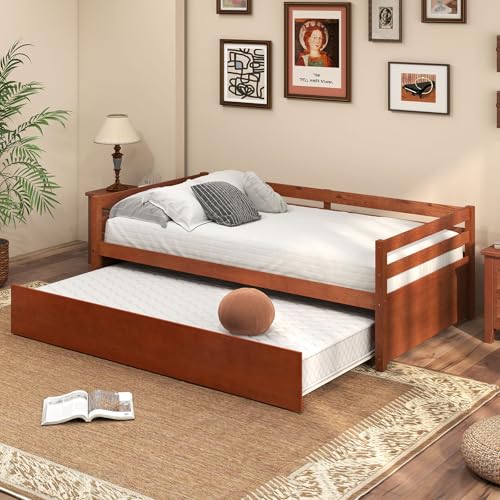
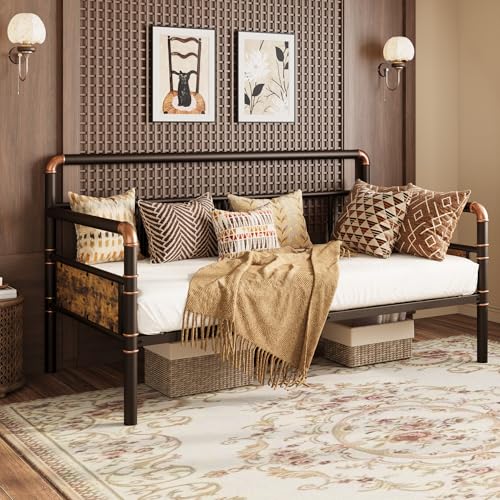
Wooden Day Beds: The Complete Buying Guide
Everything you need to know about solid wood day beds — from frame construction and size options to styling ideas and space-saving designs. Make a confident, well-informed choice for your home.
Why wooden day beds deserve a closer look: A well-built wooden day bed is one of the most versatile pieces of furniture you can own. It serves as a comfortable sofa during the day and a supportive bed at night, making it ideal for guest rooms, home offices, studios, and living areas. This guide walks you through frame types, materials, mattress compatibility, and practical considerations so you can choose with confidence.
What Exactly Is a Wooden Day Bed?
A wooden day bed is a dual-purpose furniture piece built on a solid wood frame. Unlike a standard bed, it features a backrest along one long side, allowing it to function as a sofa or seating area during daytime hours. At night, the platform accommodates a standard mattress for sleeping.
Most wooden day beds are designed around a twin or twin XL mattress, though full-size and queen-size versions exist for larger spaces. The frame typically includes a slatted base or a solid platform, and many models offer additional storage or trundle options.
If you are also considering metal alternatives, our guide to wrought iron day beds covers that category in detail. For a broader comparison of bed frame styles, see our wooden bed frames overview.
Why Choose a Wooden Day Bed?
Wood offers natural warmth, durability, and a timeless aesthetic that blends with nearly any interior style. Here are the key advantages of choosing a wooden day bed over other materials:
- Durable construction: Solid wood frames resist wear and hold up well to daily use. Reinforced joinery and quality hardwood components extend the lifespan significantly.
- Versatile styling: From rustic to modern, wood adapts to your decor. A painted finish suits coastal or cottage interiors, while natural grain works beautifully in Scandinavian and mid-century settings.
- Warmth and comfort: Wood feels warmer to the touch than metal and creates a cozy, inviting atmosphere in any room.
- Repairability: Minor scratches can often be sanded or touched up, unlike veneered or synthetic frames.
- Long-term investment: A well-constructed wooden day bed is a durable piece that can serve multiple rooms and purposes over many years.
Types of Wooden Day Bed Frames
Wooden day beds come in several frame configurations. Understanding the differences helps you match the bed to your space and intended use.
- Platform day beds: A solid, low-profile base with slats or a solid deck. These offer a clean, modern look and work well with a simple mattress setup. Explore similar construction in our white platform beds guide.
- Panel day beds: Feature a defined headboard and footboard with vertical or horizontal panels. These provide a more traditional, structured appearance.
- Sleigh-style day beds: Curved profiles with a classic silhouette. These suit traditional and transitional interiors.
- Canopy day beds: Include posts for hanging fabric or curtains. These create a dramatic focal point and work well in larger rooms.
- Day beds with trundle: A pull-out lower bed provides extra sleeping space for guests. Ideal for guest rooms and small apartments.
- Day beds with storage: Built-in drawers beneath the platform offer practical storage for bedding, clothing, or seasonal items. See related storage solutions in our white single beds with storage collection.
Wood Types and Construction Quality
The type of wood and the quality of construction directly affect durability, appearance, and long-term performance. Here is a practical breakdown:
- Solid hardwood (oak, maple, birch, ash): The most durable option. Heavy-duty joinery and dense grain resist warping and hold screws securely. These frames sit in the premium to luxury tier.
- Pine and rubberwood: Commonly used in mid-range day beds. Pine is lighter and softer, while rubberwood offers good density at a mid-tier position. Both accept paint and stain well.
- Engineered wood and MDF: Often found in entry-level and essential tier products. These can be perfectly serviceable when reinforced, but they are less resistant to moisture and heavy loads than solid wood.
- Joinery quality: Look for mortise-and-tenon joints, corner blocks, and reinforced slat systems. Screwed-and-glued construction is common in mid-range products; high-end pieces often feature traditional joinery.
- Finish: A quality finish protects against moisture and wear. Water-based finishes are common; oil-rubbed finishes offer a more natural feel but require periodic maintenance.
For a wider look at solid wood bed construction, our guide to wooden beds in king size covers related frame and material considerations.
Wooden Day Bed Tiers Compared
The table below uses relative quality descriptors rather than absolute figures. Use it to understand where each construction tier sits in the market.
| Tier | Frame Material | Best For | Typical Construction |
|---|---|---|---|
| Entry-Level | Engineered wood, MDF, softwood | Light use, occasional guests, temporary setups | Screwed assembly, basic slats, painted finish |
| Mid-Range | Rubberwood, pine, mixed hardwood | Daily seating, regular guest use, family rooms | Reinforced joints, slat systems, stained or painted finish |
| Premium | Solid oak, birch, ash | Everyday sleeping, long-term use, high-traffic rooms | Mortise-and-tenon joinery, dense slats, oil or lacquer finish |
| Luxury | Select hardwood, custom joinery | Primary bedroom use, design-focused interiors | Traditional joinery, hand-finished surfaces, reinforced platform |
Size and Mattress Compatibility
Wooden day beds are most commonly designed for twin and twin XL mattresses. Twin XL adds approximately five inches of length, which benefits taller sleepers. Full-size and queen-size day beds are available for rooms that can accommodate a larger footprint.
Before purchasing, confirm the mattress thickness range recommended by the manufacturer. A mattress that is too thick can sit above the backrest line and compromise the sofa function; one that is too thin may feel unsupportive for sleeping. A medium-firm mattress in the six-to-ten-inch range typically works well for most day beds.
For related sizing and style guidance, see our wooden full beds and XL twin beds for adults pages.
Where a Wooden Day Bed Works Best
Because a day bed serves two functions, it shines in rooms that need to do double duty:
- Guest rooms: Provide comfortable seating during the day and a proper sleeping surface at night without occupying extra floor space.
- Home offices: Create a comfortable reading nook or seating area that converts into a bed for overnight guests.
- Living rooms and studios: Small apartments benefit from furniture that adapts to different needs throughout the day.
- Kids' rooms and teen spaces: Offer a fun, functional seating and sleeping solution. For coordinated room setups, explore our kids beds category.
- Sunrooms and reading corners: A day bed makes an inviting spot for lounging with a book or enjoying morning light.
What to Check Before You Buy
Use this practical checklist to evaluate any wooden day bed before making a decision:
- Measure your space: Account for the bed's footprint plus clearance for walking and opening drawers or a trundle.
- Check the weight capacity: Confirm the frame is rated for the intended use, especially if it will serve as a primary sleeping surface.
- Inspect the slat system: Closely spaced slats provide better mattress support. Look for reinforced center supports on larger sizes.
- Verify mattress compatibility: Confirm the recommended mattress size and thickness range.
- Review the finish: Check for low-VOC or water-based finishes if indoor air quality is a concern.
- Consider assembly: Some models require significant assembly. Check whether tools and clear instructions are included.
- Plan for maintenance: Solid wood may benefit from periodic oiling or touching up; painted finishes are easier to clean but may chip over time.
If you are also refreshing your bedding, our guide to white bedspreads and bed skirts can help you coordinate the look.
Styling a Wooden Day Bed
A wooden day bed is a natural focal point. Here are a few practical styling approaches:
- Layer with textiles: Use a quilted or textured throw, a few pillows, and a soft blanket to make the day bed feel inviting as a seating area.
- Keep the backrest visible: Position the day bed so the backrest faces the room's main seating area, or place it against a wall with artwork above.
- Add a side table: A small bedside table with drawers or a wooden bedside bench completes the setup and adds function.
- Use a rug: Anchor the day bed with a rug to define the seating zone and add warmth underfoot.
- Mix wood tones: Pair a natural wood day bed with painted or contrasting wood side tables for visual interest.
For more bedroom styling ideas, browse our bedroom decor section.
Ready to Explore Wooden Day Beds?
Browse our curated selection of wooden day beds and find the right fit for your space, style, and sleeping needs.
View Recommended Options