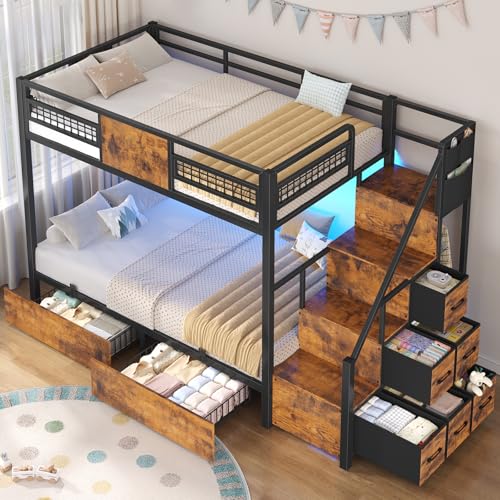
Wooden Bunk Beds: The Complete Guide
Discover how solid wood bunk beds combine space-saving design, lasting durability, and timeless style. Learn what to look for, how to choose the right model, and how to keep your bunk bed safe for years of restful sleep.
START THE GUIDEWhy wooden bunk beds? A well-built wooden bunk bed is more than furniture — it is a long-term investment in your home. Solid wood construction offers superior stability, a warm aesthetic that suits nearly any bedroom, and the versatility to adapt as your family's needs change. This guide walks you through everything you need to make a confident, informed choice.
What Makes Wooden Bunk Beds a Smart Choice
Wooden bunk beds have remained a favorite for families, guest rooms, and shared bedrooms for generations. Unlike metal frames that can squeak or wobble over time, a quality wood bunk bed delivers quiet stability and a natural look that blends with virtually any decor. Whether you are furnishing a children's room, a vacation cabin, or a compact apartment, a wooden bunk bed maximizes vertical space without sacrificing comfort or style.
The appeal goes beyond appearance. Wood is a renewable material, and many manufacturers now use responsibly sourced hardwood or pine. A wooden bunk bed that separates into two standalone beds adds exceptional long-term flexibility — a smart option for growing children or multi-purpose rooms.
Natural Aesthetic
Warm wood tones complement rustic, modern, and transitional bedroom styles alike, creating a cozy and inviting atmosphere.
Sturdy Construction
Solid wood frames with reinforced slats and heavy-duty hardware resist wobble and support consistent, quiet use over many years.
Space Efficiency
Stacking two sleeping areas vertically frees up floor space for play, study, or storage — ideal for smaller bedrooms.
Convertible Designs
Many models convert into separate beds or adjust in height, extending usefulness as children grow and needs evolve.
How to Choose the Right Wooden Bunk Bed
Selecting a wooden bunk bed involves more than picking a style you like. The right choice balances construction quality, safety features, size, and the specific needs of your household. Use the following criteria as a practical checklist before you commit.
1. Wood Type and Build Quality
The species of wood significantly affects durability, weight, and appearance. Hardwoods such as oak, maple, and beech offer exceptional strength and resistance to wear, placing them in the premium and luxury tiers. Pine and other softwoods are common in mid-range and entry-level models; they are lighter and more prone to denting but remain suitable for lighter use when properly finished.
Look closely at joinery. Dovetail joints, mortise-and-tenon construction, and reinforced corner blocks indicate a solid build. Screws and bolts should be heavy-duty, and slats should be closely spaced to support the mattress evenly. A wooden bunk bed with drawers adds built-in storage, but ensure the drawer mechanisms do not compromise frame rigidity.
2. Safety Features to Prioritize
Safety is non-negotiable, especially for children's beds. A top bunk should have full-length guardrails on both sides, with no more than a small gap between the guardrail and the mattress surface. The ladder must be sturdy, wide enough for comfortable footing, and securely attached — ideally with a handhold cutout or integrated rungs.
Check that edges and corners are rounded or chamfered to reduce injury risk. The bed should meet relevant safety standards for bunk beds, including minimum guardrail height and maximum mattress thickness recommendations. Avoid models with decorative cutouts large enough for a child's head or limbs to become trapped.
3. Size and Configuration
Wooden bunk beds come in several configurations to suit different room sizes and sleeping arrangements. Twin-over-twin is the classic choice for children sharing a room, while twin-over-full offers a larger lower berth for older siblings or guests. Full-over-full models provide two generous sleeping surfaces but require more floor space and a higher ceiling clearance.
Measure your room carefully, including ceiling height, door swing, and window placement. Allow adequate headroom above the top bunk — at least 30 inches is a common guideline — and ensure the ladder has clear access. For tighter spaces, a twin-over-twin wood bunk bed is often the most practical fit.
| Configuration | Best For | Tier Considerations |
|---|---|---|
| Twin-over-Twin | Children sharing a room; compact spaces | Entry-level to mid-range models are widely available |
| Twin-over-Full | Mixed-age siblings; guest-ready lower bunk | Mid-range to premium; solid wood recommended |
| Full-over-Full | Teenagers; adults; spacious bedrooms | Premium to luxury tiers for optimal stability |
| Convertible / Separating | Long-term flexibility; evolving family needs | Mid-range upward; check conversion hardware quality |
4. Finish and Maintenance
A quality finish protects the wood from moisture, stains, and everyday wear. Water-based finishes and low-VOC stains are preferable for indoor use, particularly in children's rooms. Painted finishes hide minor imperfections but may chip over time; natural stains and oils showcase the wood grain and are easier to touch up.
Maintenance is straightforward: dust regularly, wipe spills promptly, and avoid placing the bed against a damp wall. Periodically check all fasteners and tighten as needed. If you are considering a bed that also serves as a seating area during the day, a wooden day bed may complement your bunk bed setup nicely.
Wooden Bunk Beds for Different Spaces
The versatility of wood makes it suitable for nearly every room type. In a children's bedroom, a wood bunk bed with desk creates an integrated study-and-sleep zone that saves floor space. For a guest room or vacation home, a twin-over-full wood bunk bed accommodates both children and adults comfortably.
If you prefer a lighter palette, a white wooden bunk bed with storage brightens the room while still delivering the structural benefits of solid wood. For maximum sleeping capacity without expanding the footprint, a triple bunk bed configuration may be the answer — though these require careful attention to ceiling height and ladder placement.
Bunk beds also pair well with other space-conscious furniture. A wooden bedside bench or a wooden bedside table with drawers can round out the room while keeping essentials within reach.
Safety Standards and Responsible Use
Bunk beds are subject to specific safety standards in many regions, covering guardrail dimensions, ladder design, and structural strength. When shopping, look for models that explicitly state compliance with these standards. Assembly instructions should be clear and complete; if a model lacks detailed guidance, treat that as a warning sign.
Once assembled, verify that the frame is stable and does not wobble. Place the bed on a level floor and use wall-anchoring hardware if provided. Teach children to use the ladder one at a time and to avoid rough play on the top bunk. Regularly inspect the bed for loose screws, cracked slats, or worn hardware, and address any issues promptly.
Comparing Wooden Bunk Bed Tiers
Wooden bunk beds span a wide range of market positions. Understanding the differences between tiers helps you match your selection to your household's needs and expected lifespan of use.
| Tier | Typical Characteristics | Best For |
|---|---|---|
| Entry-Level / Starter Tier | Softwood or composite construction; basic slat support; simpler joinery | Light use, temporary setups, first bunk beds for young children |
| Mid-Range / Balanced Tier | Solid pine or mixed hardwood; reinforced slats; improved hardware and finish | Everyday family use, shared children's rooms, guest accommodations |
| Premium / High-End Tier | Hardwood construction; precision joinery; convertible designs; superior finish | Long-term daily use, teenagers and adults, design-conscious interiors |
| Luxury / Flagship Tier | Premium hardwoods; artisan craftsmanship; integrated storage or desk options | High-end residential settings, vacation properties, heirloom-quality furniture |
As a general rule, mid-range models offer a strong balance of durability and design flexibility, while premium and luxury tiers are worthwhile investments when the bed will be used daily by older children or adults. Entry-level models can serve well in secondary spaces where use is intermittent.
Complementary Bedroom Furniture
A bunk bed anchors the room, but thoughtful supporting pieces complete the space. Nightstands with drawers keep books and small items organized, while a wooden floating bedside table maximizes floor space in compact rooms. For clothing storage, a wardrobe or king-size wooden bed in an adjacent room can maintain a cohesive wood theme throughout the home.
Bedding also matters. Duvet covers and bedspreads in breathable natural fabrics improve comfort, and easy-care options simplify laundry for bunk beds. A cotton bedspread or washable bedspread can be practical choices for family homes.
Frequently Asked Questions About Wooden Bunk Beds
Weight capacity varies by model and construction quality. Solid wood bunk beds with reinforced slats typically support higher loads than composite or softwood frames. Always check the manufacturer's specified weight limit for each bunk level before use.
Yes, when properly assembled and used according to guidelines. Look for models with full-length guardrails on the top bunk, sturdy ladders, and rounded edges. Ensure the frame meets current safety standards and regularly inspect hardware for tightness.
Many wooden bunk bed designs are convertible and can be separated into two standalone beds. This feature adds versatility, allowing the beds to be used separately as children grow or when space allows. Check product specifications for this capability.
Use mattresses that match the bunk bed's intended size and do not exceed the maximum thickness recommended by the manufacturer. Thinner mattresses are often safer for top bunks as they keep the guardrail effective. Firm support is generally preferred for growing children.
Dust regularly with a soft cloth, wipe spills promptly, and avoid prolonged exposure to direct sunlight or moisture. Periodically check and tighten all bolts and screws. For painted or stained finishes, touch up minor scratches to preserve the protective coating.
Ready to Explore Your Options?
Browse our hand-picked selection of wooden bunk beds below, or dive deeper into our related guides for mattress care, room styling, and more.
VIEW RECOMMENDED MODELS