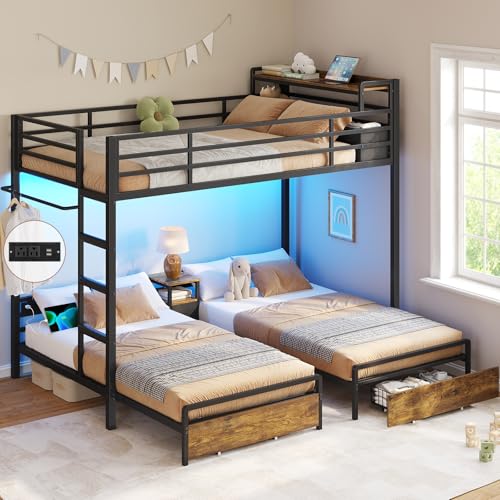
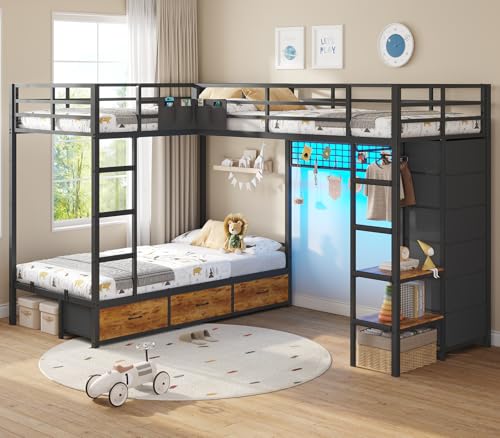
3 Tier Bunk Beds with Mattresses: The Complete Buyer's Guide
Everything you need to know about triple bunk beds with mattresses — safety, space-saving design, materials, and choosing the right configuration for your family.
Why this guide matters: A 3 tier bunk bed with mattresses is one of the most space-efficient sleep solutions available, ideal for large families, guest rooms, vacation rentals, and shared bedrooms. This guide walks you through the decisions that matter most so you can choose with confidence.
If you are researching 3 tier bunk beds with mattresses, you likely already know what you want: a single footprint that sleeps three. What you probably still need is clarity on construction quality, safety standards, mattress compatibility, and how to match a triple bunk bed to your room and your sleepers. This guide is built for exactly that stage of the buying journey — informed research before you commit.
What Is a 3 Tier Bunk Bed with Mattresses?
A 3 tier bunk bed (also called a triple bunk bed) stacks three sleeping platforms vertically, usually in a twin-over-twin-over-twin configuration. Some models use a full-size lower tier for extra room, and a few combine a lower double with two twin upper tiers. When sold "with mattresses," the package typically includes three matching mattresses sized to each tier, often compressed and rolled for delivery.
The main appeal is obvious: three sleepers, one floor footprint. Compared with three separate beds, a triple bunk bed can free up significant floor space for play, study, or storage — a genuine advantage in smaller homes, cabins, and rental properties.
Who Should Consider a Triple Bunk Bed?
- Large families who need to sleep three children in one room without sacrificing floor space.
- Guest rooms and vacation rentals that need maximum sleeping capacity in a compact footprint.
- Cabins and holiday homes where durable, space-saving furniture is essential.
- Teen and shared bedrooms where vertical storage and sleeping space are both valuable.
- Adult households using heavy-duty or commercial-grade models rated for adult sleepers.
If you only need to sleep two, a standard twin-over-twin configuration such as these wood bunk beds twin over twin may be a better fit. Triple bunks shine specifically when three sleeping spaces are genuinely required.
Key Features to Evaluate Before Buying
1. Frame Material and Construction
Frame material is the single biggest factor in durability and long-term safety. The main options are solid wood, engineered wood, and metal.
- Solid wood frames — typically pine, rubberwood, or hardwood. These offer a warm look, strong screw-holding capacity, and good long-term durability. Look for reinforced corner joints and thick rails rather than thin slats.
- Metal frames — often high-grade steel with a rust-proof finish. Metal triple bunks tend to be the most space-efficient and are frequently rated for higher weight limits, including adult use.
- Engineered wood — entry-level options that can look excellent but should be checked carefully for weight ratings and joint reinforcement.
In every category, prioritize models with full-length guardrails on the middle and top tiers, and at least two sturdy cross supports beneath each mattress platform.
2. Safety Rails and Ladder Design
Safety is non-negotiable on a three-tier bed. Check for:
- Guardrails on both the top and middle tiers, with a gap of no more than a few inches between the rail and the mattress surface.
- An angled or vertical ladder with wide, non-slip steps and a secure attachment to the frame.
- Rounded edges and no exposed hardware at sleeper height.
- Compliance with recognized safety standards (for example, ASTM F1427 in the United States) stated in the product documentation.
3. Mattress Thickness and Compatibility
Triple bunk beds are designed around a specific mattress thickness — usually six to eight inches. A mattress that is too thick raises the sleeping surface and can reduce the effective height of the guardrail, which is a safety concern on upper tiers. If mattresses are included, confirm they match the manufacturer's recommended thickness for each tier.
For households that already own bedding, consider accessories like zip-off sheets for bunk beds, which make changing linens on stacked beds far easier.
4. Weight Capacity per Tier
Weight limits vary widely. Entry-level triple bunks may be rated for children only, while heavy-duty and commercial-grade models support adults on each tier. Always check the per-tier capacity — not just a combined figure — and match it to your heaviest intended sleeper.
5. Assembly and Room Fit
Measure your room height before anything else. A triple bunk needs generous vertical clearance, and you must confirm ceiling height allows safe use of the top tier. Also measure doorways and stairwells: a fully assembled triple bunk is large, so most ship flat-packed for assembly in the room.
Tier Comparison: Matching Quality to Your Needs
The table below uses universal quality descriptors rather than figures, so it stays useful regardless of market conditions.
| Tier | Typical Construction | Best For | Mattress Package |
|---|---|---|---|
| Entry-level | Engineered wood or lighter metal frame | Children's rooms, occasional guest use | Basic foam mattresses included |
| Mid-range | Solid wood or reinforced steel with full guardrails | Everyday family use, teens, shared bedrooms | Better foam or hybrid mattresses included |
| Premium | Hardwood or heavy-duty steel, commercial-grade joints | Adult sleepers, rental properties, long-term use | Upgraded mattresses or mattress-ready frames |
| Luxury | Hardwood with premium finishes, reinforced everything | Design-led family homes, showcase guest rooms | High-grade mattresses with quality covers |
A mid-range model usually offers noticeably smoother ladder steps and sturdier rails than an entry-level bed — a difference that matters every single night in a family home.
Configuration Options to Know
- Twin-over-twin-over-twin — the classic three-tier layout, most space-efficient and most common.
- Full-over-full-over-full — wider sleeping surfaces for older children or adults; consider models such as these wood frame full over full bunk beds for reference on larger configurations.
- Staircase access — some designs replace the ladder with built-in stairs, often with storage drawers underneath, improving safety and practicality.
- Storage-integrated frames — drawers or cubbies built into the lower tier or staircase.
If your priority is a cleaner look, compare these options with wooden bunk beds in standard two-tier layouts to see how the styling translates.
Practical Tips for Living with a Triple Bunk Bed
- Anchor the frame to the wall where the manufacturer provides anti-tip hardware.
- Assign tiers by age and mobility — youngest children on the lowest tier is the common and safest arrangement.
- Rotate mattresses periodically to reduce compression on the most-used tier.
- Use bedding designed for bunk beds — zip-up bedding keeps upper-tier linens tidy and easy to manage.
- Check screws and bolts every few months, especially in households with active children.
- Keep the ladder clear and free of toys or clutter at all times.
For households managing multiple bed types, our guidance on when to replace a mattress is worth reviewing alongside your bunk setup, since mattress lifespan affects safety and comfort on every tier.
Common Mistakes to Avoid
- Ignoring ceiling height. Measure the full assembled height plus a comfortable clearance above the top tier before ordering.
- Using overly thick mattresses. This reduces guardrail effectiveness on upper tiers — follow the manufacturer's thickness guidance.
- Underestimating weight limits. Check per-tier capacity rather than a single combined number.
- Placing children under six on upper tiers. Most manufacturers advise against it; always follow age guidance.
- Skipping wall anchoring. Anti-tip straps are there for a reason, particularly in a stacked configuration.
Ready to Compare Triple Bunk Bed Options?
Browse the recommended models with mattresses below, then check the specifications that matter: frame material, per-tier weight capacity, guardrail design, and included mattress thickness.
Frequently Asked Questions
What age are 3 tier bunk beds suitable for?
Most manufacturers recommend triple bunk beds for children aged six and older, with the top tier reserved for older children or teens. Always check the specific product's age recommendation and weight limits before purchasing.
Do 3 tier bunk beds with mattresses come fully assembled?
Most triple bunk beds ship flat-packed and require assembly. Mattresses are usually rolled and compressed for delivery, then expand after unboxing. Check the product listing for assembly requirements and included tools.
What mattress thickness works best for a 3 tier bunk bed?
A mattress between six and eight inches thick is generally ideal for triple bunk beds. Thicker mattresses may compromise safety rail height on upper tiers, so always follow the manufacturer's recommended mattress thickness.
Are 3 tier bunk beds safe for adults?
Many heavy-duty and commercial-grade triple bunk beds are rated for adults, but weight limits vary significantly. Always verify the per-tier weight capacity and look for reinforced frame construction when considering adult use.
How much floor space does a triple bunk bed save?
A triple bunk bed occupies roughly the footprint of a single bed while providing three sleeping spaces, which can free up substantial floor area compared with three separate beds — a major advantage in compact bedrooms and rental properties.
With the right frame, the right mattresses, and a careful check of safety standards, a 3 tier bunk bed with mattresses is a durable, space-smart investment for years of family use. Use the comparison table above, verify the specifications that matter, and choose the tier that matches how your household actually sleeps.