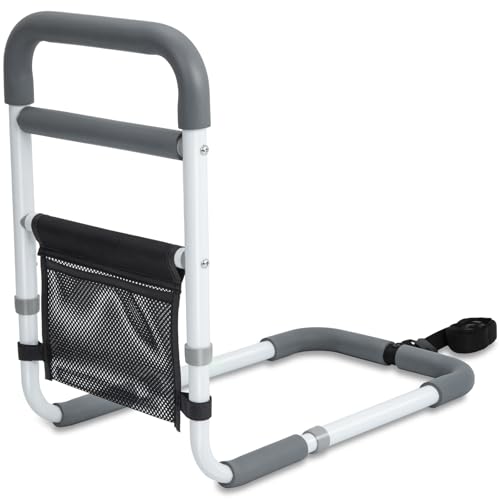
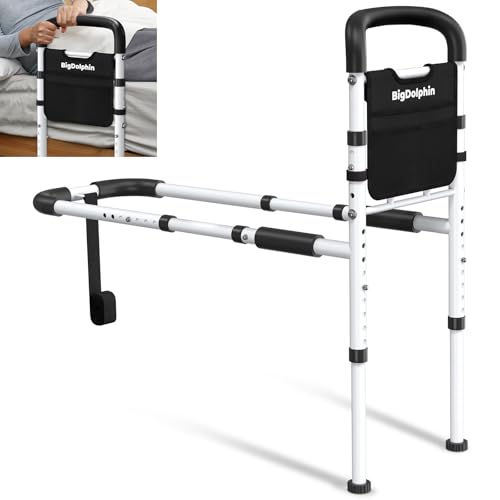
Bed Rails for Home Care
Safety, independence, and peace of mind for seniors, caregivers, and anyone recovering at home. Discover the right bed rail for your needs.
SHOP BED RAILS →Why Bed Rails Matter for Home Care: Falls from bed are one of the leading causes of injury among seniors and individuals recovering from surgery. Bed rails provide a secure barrier and a sturdy grip point, reducing the risk of falls while promoting independence. Whether you're a caregiver, a family member, or someone preparing for home recovery, choosing the right bed rail is a critical decision. This guide covers everything you need to know — from types and safety features to installation and best practices. Explore our complete bed buying guide for more foundational tips.
What Are Bed Rails for Home Care?
Bed rails for home care are assistive devices designed to provide safety and support for individuals who need help getting in and out of bed, or who are at risk of rolling out during sleep. Unlike hospital bed rails that are integrated into medical bed frames, home care bed rails are typically standalone, adjustable, and easy to install on standard bed frames — including most standard bed frames, platform beds, and even adjustable bed frames. They come in various styles, lengths, and weight capacities to suit different needs, from lightweight aluminum models to heavy-duty steel rails that support up to 300+ pounds.
Types of Bed Rails for Home Care
Understanding the different types of bed rails will help you make an informed decision. Here are the most common options available:
🔹 Full-Length Bed Rails
These rails run along the entire side of the bed, providing maximum protection for individuals who move a lot during sleep or are at high risk of falling. They are ideal for seniors with dementia or those recovering from major surgery.
$120–$250+🔸 Half-Length Bed Rails
Also known as "bed assist rails," these cover about half the bed length and are designed to help with sitting up and getting out of bed. They provide a sturdy handhold without restricting full access to the bed.
$70–$150🔹 Adjustable Bed Rails
These rails can be raised, lowered, or swung out of the way, offering flexibility for caregivers. They are excellent for adjustable bed frames and situations where easy access is needed.
$100–$200🔸 Bed Assist Handles
A compact, portable option that slides under the mattress and provides a single grab bar. Perfect for individuals who only need minimal support to get in and out of bed.
$30–$60🔹 Folding Bed Rails
These fold down flat when not in use, making them ideal for occasional use or for caregivers who need temporary access to the bed.
$80–$180🔸 Heavy-Duty Bed Rails
Designed for larger individuals or bariatric use, these rails are built with thicker steel and can support up to 400 lbs. They offer extra stability and security for heavy-duty beds.
$180–$350+Key Features to Consider Before Buying
When selecting bed rails for home care, pay close attention to these critical factors:
- Weight Capacity – Ensure the rail supports the user's weight. Standard rails support 250–300 lbs, while heavy-duty models support 400+ lbs.
- Adjustability – Look for rails with height and length adjustments to fit your specific bed and user needs.
- Ease of Installation – Most rails slide under the mattress and require no tools. Check that the design is compatible with your bed frame.
- Grip & Comfort – Padded handles or non-slip surfaces reduce the risk of hand injuries and make gripping easier.
- Safety Certification – Look for rails that meet FDA or ASTM safety standards for medical and assistive devices.
- Portability – If you travel or move the rail frequently, consider lightweight, foldable designs.
- Compatibility – Verify the rail works with your bed type, whether it's a standard bed frame, platform bed, or adjustable base.
- Warranty – A good warranty (1–5 years) indicates quality and manufacturer confidence.
Bed Rails Comparison at a Glance
Quickly compare the most popular bed rail types to find the best fit for your care situation:
| Type | Length | Weight Capacity | Best For | Price Range |
|---|---|---|---|---|
| Full-Length | 50–60 inches | Up to 300 lbs | High fall risk, nighttime movers | $120–$250 |
| Half-Length | 24–30 inches | Up to 300 lbs | Assisted sitting, getting out of bed | $70–$150 |
| Adjustable | Varies (28–40 inches) | Up to 300 lbs | Flexible care, adjustable beds | $100–$200 |
| Bed Assist Handle | 12–18 inches | Up to 250 lbs | Minimal support, temporary use | $30–$60 |
| Folding | 24–36 inches | Up to 300 lbs | Occasional use, easy storage | $80–$180 |
| Heavy-Duty | 45–55 inches | 400–500 lbs | Bariatric use, extra stability | $180–$350 |
Safety & Installation Tips
Proper installation and usage are essential to ensure bed rails provide maximum safety. Follow these guidelines:
- Secure the Rail Firmly: Ensure the rail is tightly wedged between the mattress and the bed frame. Loose rails can shift and pose a risk.
- Check for Gaps: The gap between the mattress and the rail should be less than 3.5 inches to prevent limbs from getting trapped.
- Test Stability Before Use: Push and pull on the rail from multiple angles to ensure it doesn't move or collapse.
- Use Correct Mattress Thickness: Most rails are designed for mattresses 6–12 inches thick. Check product specifications.
- Train the User & Caregiver: Show the individual how to use the rail properly, including how to release it if it's adjustable.
- Regular Inspections: Inspect rails monthly for wear, loose parts, or damage.
- Consider a bed surround for additional safety – these provide full perimeter protection for high-risk individuals.
Who Needs Bed Rails for Home Care?
Bed rails are beneficial for a wide range of individuals. Here are the most common scenarios:
- Seniors with Limited Mobility: Age-related weakness or conditions like arthritis make getting out of bed difficult. Bed rails provide a stable support point.
- Post-Surgery Recovery: After hip, knee, or back surgery, patients often lack the strength to safely get in and out of bed. Bed rails reduce strain and lower fall risk.
- Neurological Conditions: Individuals with Parkinson's, multiple sclerosis, or stroke-related impairments benefit from the stability and security of bed rails.
- Dementia & Alzheimer's: Those with cognitive impairment may not recognize the edge of the bed. Full-length rails prevent accidental falls during the night.
- Caregiver Support: Bed rails reduce the physical strain on caregivers by providing a secure anchor for repositioning and transfers.
- Children with Special Needs: Bed rails can also be used for children with developmental conditions who may be at risk of falling from bed.
Frequently Asked Questions About Bed Rails for Home Care
Can bed rails be installed on any bed frame?
Most bed rails are designed to fit standard bed frames, including platform beds and basic metal frames. However, always check compatibility with your specific bed type. Some rails are specifically designed for adjustable bed frames.
Are bed rails safe for all seniors?
While bed rails are generally safe, they may not be suitable for individuals with severe dementia or those who may attempt to climb over them. Consult with a healthcare professional to assess the best safety solution for your situation.
Do I need tools to install bed rails?
Most bed rails are tool-free and simply slide under the mattress. Some heavy-duty models may require basic assembly with included tools.
What is the difference between a bed rail and a bed assist handle?
A bed rail is a long barrier that runs along the side of the bed, while a bed assist handle is a single grab bar that provides a handhold for sitting up and getting out. Bed rails offer more comprehensive fall protection, while handles focus on mobility assistance.
Can bed rails be used with a mattress topper?
Yes, but ensure the total mattress height (including topper) is within the rail's recommended thickness range, typically 6–12 inches. For thicker setups, consider mattress toppers that are compatible with your chosen rails.
How to Choose the Best Bed Rails for Your Home
Making the right choice involves balancing safety, comfort, and practicality. Follow this step-by-step approach:
- Step 1 – Assess User Needs: Determine the level of support required. Does the person need full protection from falling, or just help sitting up?
- Step 2 – Measure the Bed: Measure the mattress thickness, bed length, and the gap between the mattress and frame. These measurements are crucial for compatibility.
- Step 3 – Consider Weight Capacity: Always choose a rail that exceeds the user's weight for added safety.
- Step 4 – Evaluate Ease of Use: Look for rails with padded handles, easy-grip designs, and smooth adjustment mechanisms.
- Step 5 – Read User Reviews: Real-world feedback can highlight potential issues like noise, stability, or installation difficulties.
- Step 6 – Consult a Healthcare Provider: For individuals with complex medical conditions, professional advice is invaluable.
- Step 7 – Purchase from a Trusted Source: Choose reputable retailers and brands that offer warranties and clear return policies.
Ready to Choose the Right Bed Rails?
Explore our curated selection of high-quality bed rails for home care. Each product has been evaluated for safety, durability, and ease of use. Your loved one's safety starts here.
VIEW BED RAILS NOW →