Complete Hospital Beds Guide
Understand everything about hospital beds: types, features, benefits, and prices. Make a confident choice for home care or medical needs.
START EXPLORINGHospital Beds: More Than Just a Bed. Choosing the right hospital bed is crucial for patient comfort, caregiver ease, and overall well-being. This guide covers everything you need to know to select the perfect bed for your needs.
What is a Hospital Bed?
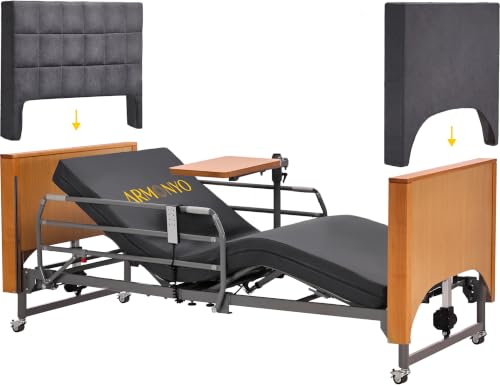
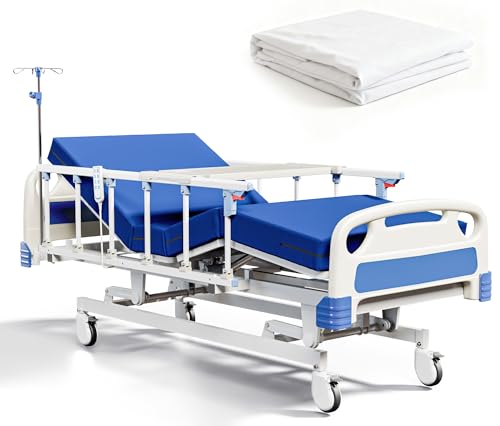
Hospital beds are specialized beds designed for patients who require medical care or assistance with mobility. Unlike standard beds, they feature adjustable sections for the head, foot, and height, making it easier for patients to get in and out of bed, and for caregivers to provide care. Modern hospital beds are used not only in hospitals but also in home care settings, assisted living facilities, and for long-term care.
When considering a hospital bed, it's essential to understand the different types and features available. The right bed can significantly improve a patient's quality of life, reduce the risk of bedsores, and make caregiving more manageable.
Key Features to Consider
Hospital beds come with a variety of features. Understanding these will help you choose the best option for your specific needs.
Adjustable Height
Allows the bed to be raised or lowered to a comfortable level for both patient and caregiver, reducing strain during transfers.
Head & Foot Articulation
Independent adjustment of the head and foot sections to improve patient comfort, aid in breathing, and facilitate reading or watching TV.
Side Rails
Provide safety and prevent falls. They can be raised or lowered as needed, and are essential for patients at risk of falling.
Mobility
Many hospital beds come with lockable casters for easy movement, making it simple to reposition the bed within a room.
Types of Hospital Beds
Hospital beds are available in several types, each designed for different care settings and patient needs.
Manual Hospital Beds
Operated using hand cranks to adjust the head, foot, and height. These are a cost-effective option for home care and are durable and reliable.
$800–$1,500
Semi-Electric Hospital Beds
Feature electric controls for the head and foot sections, while the height is adjusted manually. This is a popular choice for home care, offering a balance between convenience and cost.
$1,200–$2,200
Full-Electric Hospital Beds
All adjustments (head, foot, and height) are powered by an electric motor and controlled via a remote. This offers maximum convenience for both patients and caregivers.
$2,000–$4,500
Heavy-Duty Hospital Beds
Designed to support higher weight capacities and are built with a reinforced frame. Suitable for bariatric patients or those needing extra durability.
$2,500+
Hospital Beds Buying Guide
Selecting the right hospital bed involves more than just picking a model. Here are the key factors to evaluate before making a purchase.
1. Assess Patient Needs
Consider the patient's mobility, level of independence, and medical conditions. For example, a patient who needs to be repositioned frequently may benefit from a full-electric bed.
2. Evaluate the Caregiver's Needs
A hospital bed with electric controls can significantly reduce the physical strain on caregivers. Consider the bed's height range and the ease of operation.
3. Measure the Space
Hospital beds are larger than standard beds. Measure the room where the bed will be placed, considering enough space for the bed and any additional equipment.
For a broader understanding of bed options, you might want to read our comprehensive bed buying guide. Additionally, if you are looking for other types of beds for home use, check out our guides on adjustable bed frames and day beds.
4. Consider Weight Capacity
Ensure the bed's weight capacity can safely support the patient. Standard beds usually support up to 350 lbs, while heavy-duty options can support 450 lbs or more.
5. Check for Safety Features
Look for beds with reliable side rails, brakes on casters, and a bed alarm system if needed. These features are crucial for preventing falls.
6. Evaluate the Warranty
A good warranty is a sign of the manufacturer's confidence in their product. Look for at least a 2-3 year warranty on the frame and a 1-year warranty on electronics and motors.
Benefits of Hospital Beds
Hospital beds offer numerous advantages that enhance both patient care and comfort.
- Enhanced Patient Comfort: Adjustable positions allow for better sleep and relaxation, reducing stress and discomfort.
- Improved Safety: Side rails and low-height settings help prevent falls and injuries.
- Easier Caregiving: Adjustable height reduces back strain for caregivers during transfers and daily care tasks.
- Better Health Outcomes: Features like Trendelenburg positioning can improve circulation and respiratory function.
Beyond traditional hospital beds, many users also explore other types of specialized beds to suit their needs. For example, our heavy-duty beds and apartment beds guides might provide additional insights.
How Much Does a Hospital Bed Cost?
The cost of a hospital bed varies widely based on type, features, and brand. Here's a general breakdown:
- Manual Hospital Beds: $800 – $1,500
- Semi-Electric Hospital Beds: $1,200 – $2,200
- Full-Electric Hospital Beds: $2,000 – $4,500
- Heavy-Duty Hospital Beds: $2,500 – $5,000+
- Premium/Advanced Models: $4,000 – $8,000+ (including features like built-in scales, bed exit alarms, and advanced mattress systems)
Additional costs may include delivery, setup, and accessories like specialized mattresses, which can range from $200 to $1,000+ depending on the type (e.g., foam, air, or alternating pressure).
Financing and Insurance Options
In some cases, hospital beds may be partially or fully covered by insurance, Medicare, or Medicaid, especially if prescribed by a doctor for home use. It's essential to check with your insurance provider to understand your coverage. There are also rental options available for short-term needs.
Hospital Bed Types Comparison
Helpful Resources
For more information related to patient care, home safety, and essential equipment, you might find these resources useful:
- Bed Rails for Home Care – Learn how bed rails can improve safety and fall prevention.
- Bed Surrounds for Adjustable Beds – Discover additional accessories to enhance bed safety and functionality.
- Bedroom Care Tips – Advice on maintaining a comfortable and safe bedroom environment.
- Adjustable Bed Frames – Explore more options for adjustable sleeping solutions.
Make the Right Choice
Selecting the right hospital bed is a significant decision that impacts the comfort and health of the patient. By understanding the different types, features, and costs, you can make an informed choice that meets both your clinical and comfort needs.
After reviewing this guide, we encourage you to explore our curated list of recommended hospital beds below. Our picks are selected from Amazon to ensure quality, reliability, and value for your investment.