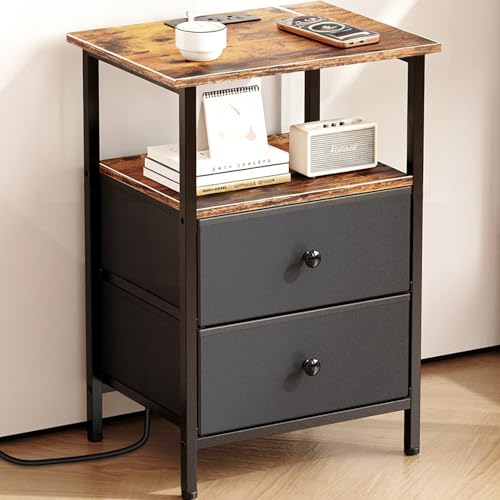
Bedroom Drawers & Bedside Tables: The Complete Buying Guide
Everything you need to choose nightstands and drawer units that combine storage, style, and comfort for a better night's sleep.
Bedside tables and bedroom drawers are more than just furniture—they are the quiet workhorses of a well-designed sleep space. A thoughtfully chosen nightstand keeps your essentials within arm's reach, while a dependable drawer unit brings order to clothing, linens, and personal items. When these two pieces work together, they reduce clutter, support relaxation, and complete the visual harmony of your bedroom.
This guide walks you through the key decisions you will face when shopping: sizing, materials, drawer mechanisms, storage configuration, and style coordination. Whether you are furnishing a compact apartment or upgrading a spacious master suite, the insights below will help you buy with confidence.
Why Bedroom Drawers and Bedside Tables Matter
The area immediately around your bed has a surprising influence on how restful your bedroom feels. A cluttered nightstand covered in loose items creates visual noise that can make it harder to unwind. Conversely, a well-organized bedside table with a lamp, a book, and a glass of water signals to your brain that the day is winding down.
Bedroom drawers serve a complementary role. They hold clothing, bedding, and accessories that would otherwise pile up on chairs or floors. Together, these furniture pieces create a functional perimeter around your sleep zone. For a broader view of how individual pieces fit into a cohesive room, explore our bedroom decor hub, where we cover lighting, textiles, and layout strategies.
Types of Bedside Tables
Bedside tables come in several formats, each suited to a different set of needs. Understanding the trade-offs helps you match the piece to your routine.
Single-Drawer Nightstands
The classic single-drawer nightstand is compact and versatile. It typically includes one drawer and an open shelf or lower compartment, giving you a place for small essentials and a book or tablet. This format works well in most bedrooms and is a good fit for symmetrical bed placements.
Two- and Three-Drawer Nightstands
Larger nightstands with two or three drawers offer more enclosed storage. They are ideal if you keep medication, reading glasses, chargers, or journals at the bedside. Models with felt-lined top drawers add a protective layer for delicate items.
Open-Shelf and C-Table Designs
Open-shelf nightstands and C-shaped tables prioritize accessibility over concealed storage. They suit minimalists and anyone who prefers to see their items at a glance. C-tables slide partially under the bed, which is useful in tight spaces.
Floating and Wall-Mounted Bedside Tables
Wall-mounted bedside tables save floor space and create a clean, modern look. They are especially helpful in small rooms where every inch counts. Installation requires secure anchoring into wall studs, so plan the placement carefully.
Pairing tip: If you are buying a bed and nightstands as a set, look for coordinated collections. Our guide to beds with matching bedside tables covers sets that arrive with compatible finishes and proportions.
Bedroom Drawer Styles and Configurations
Bedroom drawer units range from tall chests to low dressers and compact bedside cabinets. The right choice depends on how much storage you need and how much floor space you can dedicate to furniture.
- Chest of drawers: A tall, narrow unit with four to six stacked drawers. It maximizes vertical storage and suits rooms with limited floor space.
- Wide dresser: A low, wide unit with three to four broad drawers. It offers generous surface area for decor and doubles as a changing station in nurseries.
- Bedside cabinet: A small, enclosed unit placed next to the bed. It often combines a drawer with a cabinet door or open shelf.
- Drawer pedestal: A narrow column of drawers designed to sit beside a bed or desk. Pedestals are modular and can be added as storage needs grow.
If you are coordinating multiple pieces, our overview of bedroom bedside cabinets explains how cabinet-style nightstands differ from open designs and when each is the better fit.
Sizing and Placement Guidelines
Proportion matters. A nightstand that is too tall or too short relative to the mattress creates an awkward silhouette and reduces usability. As a general rule, the top of the nightstand should sit level with or slightly below the top of the mattress—usually within a few inches.
Width is equally important. A nightstand that is wider than one-third of the bed's width can crowd the space. For a balanced look, aim for nightstands that are roughly 18 to 24 inches wide on each side of a queen or king bed.
For drawer units, measure the available wall space and account for drawer extension. A wide dresser needs enough clearance in front to open fully without blocking walkways. Leave at least 30 inches of walking space between the foot of the bed and the dresser.
| Piece | Typical Height | Typical Width | Best For |
|---|---|---|---|
| Standard nightstand | 20–26 inches | 18–24 inches | Most bedrooms with standard-height beds |
| Tall chest | 48–60 inches | 30–40 inches | Small rooms needing vertical storage |
| Wide dresser | 30–38 inches | 50–70 inches | Rooms with generous wall space |
| Bedside cabinet | 22–28 inches | 20–26 inches | Bedrooms needing concealed storage |
Materials and Build Quality
The material of a nightstand or drawer unit affects durability, weight, and visual warmth. Here is how the main options compare:
Solid Wood
Solid wood furniture offers the most durable construction and can be refinished over time. Hardwoods such as oak, maple, and walnut resist wear better than softwoods. Solid wood pieces are typically positioned in the premium to luxury tiers and represent a long-term investment.
Engineered Wood
MDF, particleboard, and plywood are common in mid-range furniture. Quality varies widely: plywood with a thick veneer holds up well, while low-density particleboard is prone to sagging under heavy loads. Look for units with reinforced corners and sealed edges.
Metal
Metal nightstands and drawer frames are durable and easy to clean. Powder-coated finishes resist rust and scratches. Metal designs often lean modern or industrial and pair well with minimalist decor.
Mixed Materials
Combinations of wood, metal, and glass create visual interest. A wood drawer front with a metal frame, for example, balances warmth and structure. Check that joints are tight and that mixed-material connections are mechanically sound.
Build quality signals to look for include dovetail or doweled drawer joints, smooth-gliding runners, solid back panels, and feet that do not wobble. Heavier pieces generally indicate denser, more durable materials.
Drawer Mechanisms and Hardware
The way a drawer opens and closes shapes daily usability. Three mechanisms dominate the market:
- Wood-on-wood runners: Traditional and simple, found mostly on entry-level and some mid-range pieces. They work fine for light loads but can stick over time.
- Roller slides: Common in mid-range furniture. They use wheels to glide the drawer and are smooth for typical bedroom use.
- Ball-bearing slides: Found on premium and top-tier pieces. They support heavier loads, extend fully, and stay smooth for years.
Soft-close mechanisms prevent drawers from slamming and are a worthwhile feature in bedrooms where quiet matters. Hardware finishes—brushed nickel, matte black, brass, or wood pulls—should complement your other bedroom fixtures.
Matching Style With Your Bedroom
Furniture style should feel intentional rather than accidental. Consider the dominant aesthetic of your room and choose pieces that reinforce it:
- Modern and minimalist: Clean lines, floating nightstands, matte finishes, and handleless drawers.
- Traditional: Wood-toned dressers, decorative hardware, and nightstands with moldings or turned legs.
- Scandinavian: Light woods, tapered legs, and functional storage with simple profiles.
- Industrial: Metal frames, reclaimed wood surfaces, and exposed hardware.
If your bed frame has a strong presence, keep nightstands visually lighter so they do not compete. Our guide to bedroom furniture covers coordination across beds, dressers, and seating.
Solutions for Small Bedrooms
Small bedrooms demand furniture that earns its footprint. Consider these strategies:
- Choose a tall chest instead of a wide dresser to use vertical space.
- Use a wall-mounted or floating nightstand to free up floor area.
- Select a bedside table with a lower shelf instead of a bulky cabinet.
- Look for drawer units with soft-close slides so tight clearances are not a problem.
- Combine storage with the bed itself—many beds include under-bed drawers.
Our article on beds with storage for small rooms explores how integrated storage can reduce the need for freestanding drawer units.
Care and Maintenance Tips
Well-maintained furniture lasts longer and looks better. Follow these habits:
- Dust surfaces weekly with a soft, dry cloth to prevent buildup.
- Use coasters under drinks to protect finishes from rings and moisture.
- Vacuum drawer interiors occasionally to remove dust and debris.
- Lubricate metal slides sparingly if they begin to stick.
- Avoid placing furniture in direct sunlight, which can fade finishes over time.
- Tighten hardware periodically to keep handles and knobs secure.
Frequently Asked Questions
How tall should a bedside table be?
A bedside table should typically sit level with or slightly below the top of your mattress, usually within a few inches. This height keeps items within easy reach and maintains visual balance.
Can I mix and match nightstands instead of buying a set?
Yes. Mismatched nightstands can look intentional when they share a common element such as height, material, or color. The key is to keep the proportions similar so the bed remains the focal point.
What is the best drawer mechanism for a bedroom?
Ball-bearing slides with soft-close features offer the smoothest and quietest operation. Roller slides are a solid mid-range option. Wood-on-wood runners are acceptable for light use but may require more maintenance.
How do I choose between a chest of drawers and a dresser?
Choose a chest when floor space is limited and you need vertical storage. Choose a dresser when you have wall space and want a broad surface for decor or daily items. Both can work in the same room if space allows.
Are floating nightstands sturdy?
Properly installed floating nightstands are sturdy, provided they are anchored securely into wall studs. Check the weight rating and installation instructions before mounting.
Ready to Complete Your Bedroom?
Browse our curated selection of bedroom drawers and bedside tables to find the right fit for your space and storage needs.
Explore Recommended Options