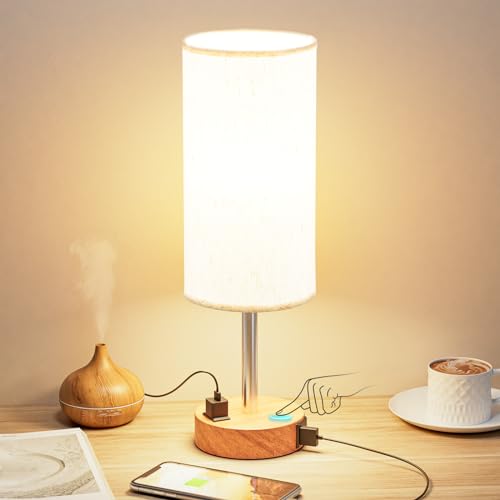
Bedside LED Lamp: Complete Buying Guide for Better Sleep
Discover how the right bedside LED lamp can transform your nighttime routine, improve your reading comfort, and support deeper, more restful sleep.
Explore the GuideWhy Your Bedside LED Lamp Matters: The lamp on your nightstand is more than a light source — it sets the tone for how you wind down. The right model reduces eye strain during reading, provides gentle illumination for late-night movement, and even helps regulate your circadian rhythm. This guide walks you through every consideration, from color temperature and brightness control to charging features and placement, so you can choose with confidence.
Why Choose a Bedside LED Lamp?
LED lighting has become the standard for bedroom illumination for good reason. Unlike traditional incandescent bulbs, LEDs generate far less heat, consume less energy, and last significantly longer. For a bedside application, these advantages translate directly into everyday comfort and practicality.
Modern LED lamps offer precise control over brightness and color temperature. You can shift from a crisp, cool white for reading to a warm, amber glow for winding down — all from the same fixture. This flexibility is especially valuable in a bedroom where lighting needs change throughout the evening. Many contemporary designs also integrate useful features like touch dimming, USB charging ports, and even built-in alarm functions, making them a hub for nighttime routines.
If you are redesigning your sleep space, pairing a well-chosen LED lamp with an appropriate bedside table ensures both function and style. For compact rooms, a bedside table with LED light offers a space-saving integrated solution. And if you prefer a clean wall-mounted setup, wall-mounted bedside reading lights free up surface area entirely.
Key Features to Evaluate Before You Buy
Not all bedside LED lamps are created equal. The features below directly affect your comfort, sleep quality, and long-term satisfaction.
Color Temperature Control
Look for lamps that offer warm white (2700K–3000K) for relaxation and neutral white (3500K–4000K) for reading. Some premium models allow full tunable white control from amber to daylight.
Dimmable Brightness
Stepless dimming is far more useful than preset levels. A lamp that dims smoothly from full brightness to a faint glow accommodates both reading and late-night navigation.
Adjustable Arm or Head
A flexible neck or pivoting head lets you direct light precisely onto a book or away from a sleeping partner. This is essential if you share your bed.
USB Charging Ports
Built-in USB-A or USB-C ports eliminate the need for extra chargers. Many people keep phones on the nightstand, so integrated charging is a genuine convenience.
Touch or Remote Control
Touch-sensitive bases or small remote controls make it easy to adjust lighting without fumbling in the dark. Some models also support app-based control and scheduling.
Stable Base & Build Quality
A weighted base prevents accidental tip-overs. Look for metal or high-grade plastic construction with a finish that resists scratches and fingerprints.
Pro Tip: If you often read in bed, prioritize a lamp with a high Color Rendering Index (CRI) of 90 or above. Higher CRI means colors appear more natural and text is easier on the eyes. Pair that with an adjustable arm and you have an ideal reading setup. For a more dedicated reading experience, consider a bedside reading light designed specifically for focused illumination.
Types of Bedside LED Lamps Compared
The table below outlines the most common categories, their typical feature sets, and who each type suits best. Tiers reflect relative market positioning, not absolute cost.
| Type | Tier | Best For | Key Considerations |
|---|---|---|---|
| Basic Table Lamp | Entry-Level | Simple bedside illumination and occasional reading | Single brightness level; may lack dimming or USB; straightforward on/off switch |
| Dimmable LED Desk Lamp | Mid-Range | Flexible reading and task lighting | Adjustable arm, touch dimming, often includes USB port; solid build quality |
| Smart LED Bedside Lamp | Premium | Tech-savvy users wanting scheduling and voice control | Wi-Fi or Bluetooth, app control, scenes, routines; may integrate with smart home systems |
| Wall-Mounted Reading Light | Mid-Range | Small bedrooms and shared beds | Frees nightstand space; focused beam; requires installation; often hardwired or plug-in |
| Integrated Nightstand with LED | Premium | Coordinated bedroom furniture and ambient lighting | Combines storage and light; built-in charging; ideal for modern or minimalist decor |
For those who prefer a cohesive furniture setup, a bedside table with charging station can replace both a lamp and a separate charger, reducing cable clutter. Similarly, a bedside table lamp with USB port offers a two-in-one solution that suits most modern bedrooms.
How to Choose the Right Bedside LED Lamp
Choosing well comes down to matching the lamp to your habits and your bedroom layout. Work through the considerations below in order.
1. Assess Your Bedtime Routine
If you read for 30 minutes before sleep, prioritize a lamp with focused, adjustable light and a warm color temperature. If you mainly need ambient light for getting ready for bed, a softer, broader glow is more appropriate. People who check their phones in bed will appreciate a lamp with integrated USB charging, such as a bedside table with outlet and USB.
2. Measure Your Nightstand Space
Compact nightstands benefit from lamps with small footprints or clamp-on designs. If space is tight, a bedside table for bed with drawers or a bedside table with adjustable height can accommodate a lamp while keeping essentials organized. Wall-mounted options are worth considering if surface area is at a premium.
3. Consider the Light Beam Direction
A downward-facing shade reduces glare and keeps light where you need it. Adjustable heads let you aim light precisely. If you share your bed with a partner, a narrow beam directed at your reading material is far less disruptive than a wide, ambient glow.
4. Plan for Power and Connectivity
Decide whether you want the lamp to charge your devices. Models with built-in USB ports are common at the mid-range tier and above. A bedside table with power outlets can supplement your lamp if you need additional outlets for other devices. Also consider cable length and whether the outlet is easily reachable.
5. Match the Style to Your Bedroom
The lamp should complement your existing furniture and decor. A minimalist bedroom pairs well with slim, matte-finished designs. Warmer, traditional rooms may suit brass or wood-accented lamps. If you are furnishing a small room, a bedside table for small rooms paired with a compact lamp keeps the space feeling open.
Placement Tips and Sleep Hygiene
Where you place the lamp matters almost as much as which lamp you choose. Follow these guidelines to get the most from your bedside lighting.
- Position the lamp at roughly shoulder height when you are sitting up in bed — this minimizes glare and shadows.
- Keep the light source at least 20 inches from your eyes and slightly to the side of your reading material.
- Use warm white light (2700K–3000K) in the hour before sleep to support natural melatonin production.
- Dim the lamp progressively as bedtime approaches; abrupt shifts from bright to dark can feel jarring.
- Avoid cool-white or blue-rich light directly before sleep, as it can delay drowsiness.
- If you need to get up during the night, use a low-level amber or red night light mode rather than a bright white setting.
- Ensure the lamp's switch or touch control is easy to reach from lying down without stretching.
For a fully coordinated setup, pair your lamp with a bedside cabinet with shelf or a bedside table with drawers to keep books, glasses, and chargers organized within arm's reach.
Care and Maintenance for Longevity
LED lamps require very little maintenance, but a few habits extend their useful life. Dust the shade and base regularly with a dry microfiber cloth — dust buildup can reduce light output and create a dull appearance. Avoid using liquid cleaners directly on the fixture; instead, lightly dampen a cloth if needed and dry immediately. Check the power cord periodically for wear, especially if the lamp is frequently moved. If your lamp has a rechargeable battery, follow the manufacturer's guidance on charging cycles to preserve capacity. And if the lamp includes smart features, keep the firmware updated through the companion app to ensure reliable performance.