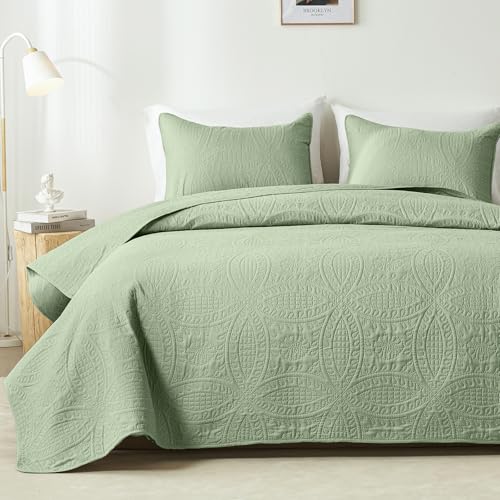
Bedspread That Covers Pillows: The Complete Guide
Discover how a pillow-covering bedspread can transform your bedroom into a polished, inviting retreat. Learn about styles, fabrics, sizing, and everything else you need to choose the right one.
Why Choose a Bedspread That Covers Pillows? Unlike a comforter or duvet, a bedspread that drapes over your pillows creates a seamless, hotel-inspired look. It hides clutter, protects your pillows from dust, and makes bed-making effortless. Whether you prefer a traditional quilted design or a modern minimalist coverlet, understanding the key differences will help you make a confident choice.
What Exactly Is a Pillow-Covering Bedspread?
A bedspread that covers pillows is a large, often quilted or woven textile designed to drape over the entire bed, including the pillows, and extend down to the floor or near the floor. Traditional bedspreads are typically longer and wider than comforters, allowing them to be pulled up over the pillows and folded back neatly. This creates a clean, finished appearance that many people associate with classic hotel rooms or formal guest bedrooms.
Modern interpretations of this style include full bedspread sets and queen bedspread sets that come with matching shams or pillow covers, so you can achieve a coordinated look without extra effort. If you prefer a specific color palette, options like black and white queen bedspreads offer a striking, versatile choice.
It is important to distinguish this from a standard comforter, which is usually shorter and designed to leave pillows exposed. A true pillow-covering bedspread has enough length and width to tuck under the pillows or drape over them completely, depending on your styling preference.
Key Features to Look For
When shopping for a bedspread that covers pillows, pay attention to these essential features:
- Generous Dimensions: Look for a bedspread that is at least one size larger than your mattress to ensure full coverage. For example, a queen bedspread should measure around 90 x 100 inches or more, while a king bedspread set typically exceeds 110 x 100 inches.
- Fabric Weight: Lightweight bedspreads are easier to drape and fold, while heavier quilted styles offer more structure and warmth. Consider the season and your personal comfort preferences.
- Pillow Integration: Some bedspreads come with matching pillow shams or a fold-over top that naturally covers the pillows. Others require you to tuck the top edge under the pillows for a tailored look.
- Easy Care: Machine-washable fabrics like cotton, polyester blends, and microfiber are practical for everyday use. Check the care label before purchasing.
Popular Styles of Pillow-Covering Bedspreads
Quilted Bedspreads
Quilted bedspreads feature a stitched pattern that adds texture and visual interest. They are often reversible and come in a wide range of designs, from classic diamond quilting to modern geometric patterns. A black and white geometric bedspread can add a contemporary edge to your bedroom, while a floral bedspread brings a softer, romantic feel.
Woven Coverlets
Woven coverlets are lighter in weight and often made from cotton or linen. They provide a relaxed, layered look and are ideal for warmer climates. These bedspreads typically drape beautifully over pillows and can be paired with a duvet or blanket underneath for extra warmth in cooler months.
Matelassé Bedspreads
Matelassé is a French term for a quilted, textured fabric that often has a subtle raised pattern. These bedspreads offer a luxurious, old-world charm and are perfect for creating a sophisticated bedroom atmosphere. They are usually mid-range in terms of market positioning and offer a good balance of durability and elegance.
Printed and Patterned Bedspreads
If you want to make a statement, consider a printed bedspread. Options range from plaid bedspreads to paisley designs. These styles can serve as the focal point of your bedroom decor, so keep the rest of the room relatively neutral to avoid visual clutter.
Bedspread vs. Comforter vs. Duvet: What's the Difference?
Understanding the distinctions between these bedding types will help you choose the right one for your needs.
| Feature | Bedspread | Comforter | Duvet |
|---|---|---|---|
| Pillow Coverage | Yes, designed to cover pillows | Usually leaves pillows exposed | Usually leaves pillows exposed |
| Length | Longer, often reaches floor | Shorter, ends at mattress edge | Similar to comforter |
| Style | Traditional, tailored | Casual, puffy | Versatile, requires cover |
| Maintenance | Usually machine-washable | Often machine-washable | Cover is washable; insert is spot-clean |
| Best For | Formal or hotel-style bedrooms | Everyday comfort | All-season flexibility |
Choosing the Right Size
Getting the size right is crucial for a bedspread that covers pillows properly. Here are some general guidelines:
- Twin: Look for a bedspread that is at least 80 x 100 inches to allow for pillow coverage and drape.
- Full: A full-size bedspread should measure around 96 x 100 inches or more.
- Queen: A queen bedspread typically measures 90 x 100 inches to 100 x 110 inches.
- King: A king-size bedspread should be at least 110 x 100 inches, with many options exceeding 120 inches in width.
Always measure your mattress and consider the desired drop length (how far you want the bedspread to hang over the sides) before making a decision. If you have a particularly thick mattress or a pillow-top, you may need to size up.
Fabric and Material Considerations
The material of your bedspread affects its look, feel, and longevity. Here are some common options:
- Cotton: Breathable, durable, and easy to care for. Cotton bedspreads are a classic choice for year-round comfort.
- Polyester: Wrinkle-resistant and often more economical. Polyester blends are common in entry-level and mid-range bedspreads.
- Linen: Naturally temperature-regulating and luxuriously textured. Linen bedspreads are typically positioned in the premium tier.
- Velvet: Rich and opulent, velvet bedspreads add a touch of luxury to any bedroom. They are best suited for cooler climates or decorative purposes.
- Microfiber: Soft, lightweight, and often available in the essential tier. Microfiber bedspreads are a practical choice for families and pets.
Styling Tips for a Polished Look
A bedspread that covers pillows is a versatile styling tool. Here are some ideas to make the most of it:
- Fold Back the Top: Fold the top edge of the bedspread back over the pillows to create a neat, layered look. This also allows you to showcase decorative pillows.
- Add a Bed Skirt: If your bedspread doesn't reach the floor, a matching or complementary bed skirt can complete the look. Consider a white bedskirt for a crisp, clean finish.
- Mix Textures: Combine a smooth cotton bedspread with a chunky knit throw or a textured lumbar pillow for visual interest.
- Coordinate with Curtains: For a cohesive bedroom design, choose bedspreads and curtains in complementary colors or patterns. A black and white curtain pairing can create a bold, modern aesthetic.
Care and Maintenance
To keep your bedspread looking its best, follow these simple care tips:
- Always check the care label before washing. Most cotton and polyester bedspreads are machine-washable in cold or warm water.
- Use a gentle cycle and mild detergent to prevent fading and wear.
- Tumble dry on low heat or air-dry to avoid shrinking or damaging the fabric.
- Rotate your bedspread periodically to ensure even wear.
- Store folded in a cool, dry place when not in use, especially for seasonal bedspreads.
Ready to Find Your Perfect Bedspread?
Browse our curated selection of pillow-covering bedspreads and discover the one that fits your style and needs.
Explore Bedspread SetsFrequently Asked Questions
Can a bedspread really cover all the pillows?
Yes, a properly sized bedspread is designed to drape over the pillows. You can either fold the top edge back or pull it all the way up for full coverage. The key is to choose a bedspread that is long enough and wide enough for your bed size.
How do I keep a bedspread in place over pillows?
Some bedspreads have a fold-over top that naturally stays in place. Alternatively, you can tuck the top edge under the pillows or use a bedspread with a fitted top. Adding decorative pillows on top can also help anchor the bedspread.
Are pillow-covering bedspreads suitable for everyday use?
Absolutely. Many modern bedspreads are made from durable, machine-washable fabrics that are easy to care for. They are a practical choice for busy households, provided you choose a style and material that suits your daily routine.
What is the difference between a bedspread and a quilt?
While both are decorative bed coverings, bedspreads are generally longer and designed to cover pillows, whereas quilts are often shorter and may be used as a layering piece or throw. Quilts can be used over a bedspread or on their own, depending on the look you want.
Can I use a bedspread on an adjustable bed?
Yes, but you may need to choose a bedspread with some flexibility or stretch, as adjustable beds move and flex. Look for bedspreads with a bit of give or those specifically designed for adjustable beds to ensure a good fit.
Where can I find matching pillow shams for my bedspread?
Many bedspreads come as part of a set that includes matching shams or pillow covers. If you are purchasing a bedspread separately, look for coordinating shams from the same brand or in a complementary color. Sets like the bedspreads and comforters collection often include matching accessories.