
Bunk Bed Safety Guide
Comprehensive safety tips, weight limits, guardrail requirements, and assembly advice to keep your children safe and sound.
Jump to Safety Checklist →Why Safety Matters: Bunk beds are a fantastic space-saving solution for kids' rooms, but they come with unique safety considerations. This guide covers everything you need to know—from proper assembly to daily use—so you can rest easy knowing your little ones are safe.
Bunk Bed Safety at a Glance
According to the U.S. Consumer Product Safety Commission (CPSC), bunk beds are involved in an average of 36,000 injuries annually, with most incidents occurring in children under 6 years old. The majority of injuries are from falls, entrapment, or improper assembly. But with the right precautions, bunk beds are safe for children aged 6 and above.
🔑 Key Takeaway: Most bunk bed accidents are preventable with proper guardrails, correct mattress size, and age-appropriate use. Follow this guide to minimize risks.
Essential Bunk Bed Safety Checklist
Use this checklist to ensure your bunk bed meets all safety standards before your child climbs up.
- Guardrails on all sides: The top bunk must have guardrails on both sides, with a minimum height of 5 inches above the mattress surface. The gap between the guardrail and bed frame should be no more than 3.5 inches to prevent entrapment.
- Ladder security: The ladder should be firmly attached to the bed frame, with anti-slip rungs. Ensure the ladder is not too steep or too vertical for young climbers.
- Mattress fit: The mattress must fit snugly against the guardrails with no more than a 1-inch gap. A mattress that is too small creates a dangerous entrapment hazard.
- Weight limit: Most bunk beds have a weight limit of 200–250 lbs for the top bunk and 250–350 lbs for the bottom bunk. Never exceed the manufacturer's specified weight limit.
- Age recommendation: The CPSC recommends that children under 6 years old should not sleep on the top bunk due to fall risk.
- No jumping or rough play: Establish clear rules: no jumping, climbing on guardrails, or roughhousing on or around the bunk bed.
- Proper placement: Place the bunk bed away from ceiling fans, light fixtures, and window blinds. Ensure there is at least 2 feet of clearance from the ceiling to the top of the guardrails.
- Regular inspections: Check all bolts, screws, and connections every month. Tighten any loose hardware immediately to prevent structural failure.
Bunk Bed Safety Guidelines Reference Table
| Safety Aspect | Requirement / Recommendation |
|---|---|
| Guardrail Height | Minimum 5 inches above mattress (top bunk) |
| Guardrail Gap | No more than 3.5 inches between guardrail and frame |
| Mattress Gap | Less than 1 inch between mattress and guardrail |
| Top Bunk Weight Limit | Typically 200–250 lbs (check manufacturer) |
| Bottom Bunk Weight Limit | Typically 250–350 lbs (check manufacturer) |
| Minimum Age (Top Bunk) | 6 years old (CPSC recommendation) |
| Ladder Angle | Not too steep; rungs should be slip-resistant |
| Ceiling Clearance | At least 2 feet from top of guardrails to ceiling |
Mattress & Bedding Safety for Bunk Beds
Choosing the right mattress is critical for bunk bed safety. A mattress that is too thick or too thin can create entrapment risks or make the guardrail ineffective. Here's what you need to know:
- Mattress thickness: The combined height of the mattress and foundation should not exceed the guardrail height. For standard bunk beds, mattress thickness is usually limited to 6–9 inches.
- Firmness: A medium-firm mattress is ideal for children, providing proper support while reducing the risk of suffocation or entrapment.
- Waterproof protectors: Use a waterproof mattress protector to guard against spills and bedwetting. This also helps extend the life of the mattress.
- No loose bedding: For younger children, avoid heavy comforters, pillows, or stuffed animals on the top bunk, as they can pose a suffocation hazard.
Assembly & Maintenance Tips
Proper assembly is the foundation of bunk bed safety. Always follow the manufacturer's instructions, and if you're unsure, consider hiring a professional.
- Use the right tools: Have a wrench, screwdriver, and rubber mallet on hand. Avoid over-tightening bolts, which can strip threads.
- Inspect all parts: Before assembly, check for any damaged or missing parts. Contact the manufacturer for replacements.
- Anchor to the wall: For added stability, especially on carpeted floors, secure the bunk bed to the wall with L-brackets to prevent tipping.
- Monthly check-ups: Tighten bolts and screws, check for squeaks or wobbles, and inspect guardrails and ladder connections.
- Wood vs. metal: Wooden beds may require periodic sanding or refinishing, while metal beds should be checked for rust or loose welds.
Age Recommendations & Guidelines
The bunk bed buying guide covers model selection, but safety starts with age-appropriate use. Here are the general recommendations:
- Under 6 years: Not recommended for the top bunk due to fall risk. Use the lower bunk only.
- Ages 6–12: Suitable for top bunk with proper guardrails and adult supervision. Teach safe climbing techniques.
- Teens & adults: Ensure the bed is rated for the weight of the user. Heavy-duty models are available for larger individuals.
Frequently Asked Safety Questions
What is the maximum weight for a bunk bed?
Most bunk beds have a top bunk weight limit of 200–250 lbs and a bottom bunk limit of 250–350 lbs. Always check the manufacturer's label for exact numbers.
Can an adult sleep on a bunk bed?
Yes, but you must ensure the bed is rated for adult weight. Look for heavy-duty models with higher weight capacities and sturdy construction.
How do I prevent bunk bed injuries?
Follow the safety checklist, enforce no-jumping rules, and conduct monthly inspections. Use a nightlight near the ladder to prevent falls during nighttime bathroom trips.
Related Bunk Bed Resources
Explore these additional guides to help you choose and maintain the perfect bunk bed for your family:
- Ultimate Bunk Bed Buying Guide – Learn how to choose the right size, material, and style.
- Twin Over Full Bunk Beds with Stairs – Safe and stylish options for growing families.
- Bunk Beds with Storage Stairs – Maximize safety and storage in one smart design.
- Heavy-Duty Twin XL Bunk Beds for Adults – Durable options for college dorms and guest rooms.
- Bunk Beds That Separate into Two Beds – Versatile designs that grow with your family.
Ready to Choose a Safe Bunk Bed?
Explore our top-rated bunk beds with safety features you can trust.
Shop Safe Bunk Beds →Recommended Bunk Beds & Safety Accessories
⚠️ AFFILIATE DISCLOSURE: This website contains affiliate links. As an Amazon Associate, we earn from qualifying purchases. If you make a purchase through these links, we may receive a small commission at no additional cost to you. Read our full affiliate policy.

Regalo Swing Down Toddler Bed Rail Guard, NO Tools Required, Bed Rail for Toddlers with Patented Gap Guard, Toddler Bed Rail, Fits Twin, Full & Queen Beds, Bed Safety Rail for Kids Bed, 43” Long

KALYVON Bunk Bed Ladder Cover, Stair Blocker - 31x15 Inch
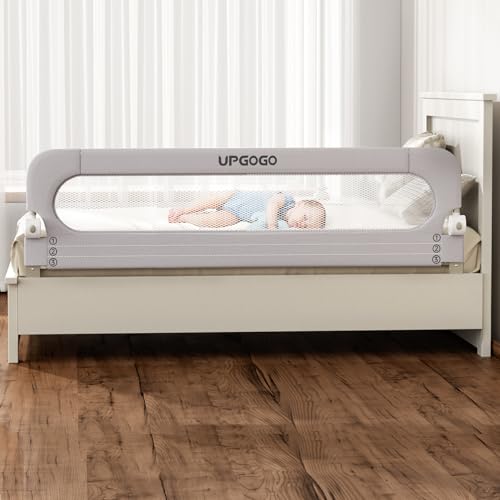
UPGOGO Folding Bed Rail for Toddlers, Grey, 71" L x 23.6" H

Regalo Safety 54” Extra Long Bed Rail Guard for Toddlers, Swing Down Toddler Bed Rail with Reinforced Anchor Safety System, 20” Tall Bed Safety Rail, Fits Twin, Full & Queen Beds

Regalo Safety Swing Down Crib Rail for Toddlers, 33" Baby Bed Rail Guard with Reinforced Anchor Safety System, Convertible Crib Bed Rail, White

Smashier Toddlers' Bed Rail Bumpers Protector, Children's Bed Guardrail Padding, Soft Cushioned Barrier, Increased Height, Easy to Install, Washable Cover, Fits Floor, Bunk & Loft, 2.3 Ft, Gray
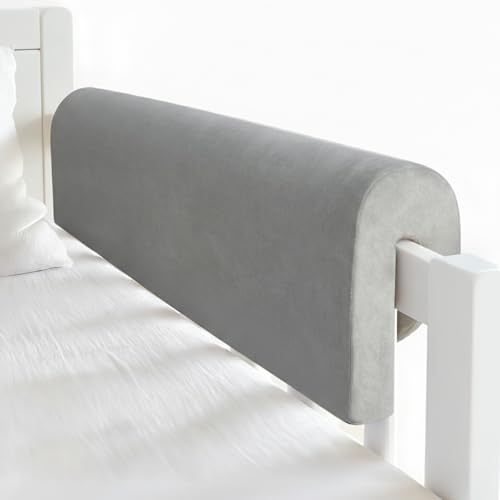
Smashier Toddlers' Bed Rail Bumpers Protector, Children's Bed Guardrail Padding, Soft Cushioned Barrier, Increased Height, Easy to Install, Washable Cover, Fits Floor, Bunk & Loft, 2.3 Ft, Gray, 1Pack
