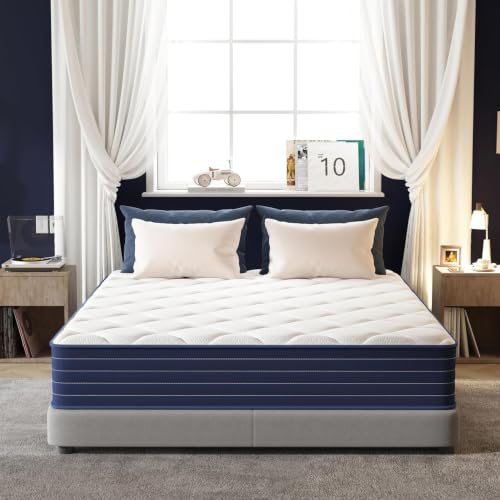
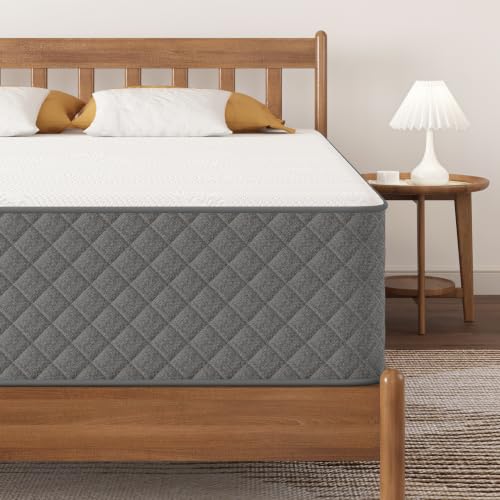
Cheap Double Beds with Mattress: A Complete Buyer’s Guide
Everything you need to know before choosing a double bed and mattress set — frame materials, mattress construction, size considerations, and how to match the right combination to your sleep style and bedroom layout.
Explore Recommended SetsWhy This Guide Matters: Buying a double bed with mattress included is one of the most practical decisions for guest rooms, teen bedrooms, first apartments, and compact primary bedrooms. But the phrase “cheap double beds with mattress” hides a lot of variation — in frame strength, mattress comfort, and long-term durability. This guide breaks down exactly what separates a well-built entry-level set from one that will sag or squeak within a year, so you can choose with confidence.
What Exactly Is a Double Bed?
A double bed — also called a full bed in many markets — measures approximately 135 cm wide by 190 cm long. It sits between a single and a queen in size, making it one of the most versatile bed dimensions available. For a single adult who wants room to stretch, a couple in a compact bedroom, or a growing teenager, a double bed offers a sensible balance of sleeping space and floor-space economy.
When you shop for cheap double beds with mattress included, you are typically buying two components together: the bed frame and the mattress. Buying them as a set simplifies the decision and usually ensures the mattress dimensions match the frame’s intended support surface. However, the quality of each component can vary widely, which is why understanding construction details matters far more than the label on the box.
Double Bed vs. Full Bed: Is There a Difference?
In most of the world, “double” and “full” refer to the same size. In some regions, terminology shifts slightly, but the core dimensions remain consistent. If you are comparing options across retailers, always check the stated measurements rather than relying on the name. A double bed frame that accepts a standard 135 × 190 cm mattress will work with any mattress built to that standard, whether it is labeled double or full.
If you are weighing whether a double is right for your space, it helps to compare it against related size categories. For example, if you need extra length, a California king bed offers more length but demands far more floor space. If you are furnishing a child’s room, single beds with mattress may be more proportionate. And if you need to sleep two children or guests in one room, bunk beds with mattress included can be a smarter use of vertical space.
Frame Types You Will Encounter in Double Bed Sets
The frame is the skeleton of your bed. It determines stability, noise levels, under-bed clearance, and how well the mattress is supported. Here are the most common frame types found in double bed and mattress sets, along with what to look for in each.
1. Metal Platform Frames
Metal platform frames are the most common entry-level option. A good metal frame uses reinforced steel slats or a wire-grid platform, with welded or bolted joints. Look for powder-coated or rust-proof finishes, and check that the center support rail is present — this is critical for double beds, where a single center beam prevents sagging over time. Heavy-duty metal frames with additional legs along the center rail are the most durable choice in this category.
2. Wooden Slatted Frames
Wooden frames with slatted bases offer a warmer aesthetic and good breathability for the mattress. The key detail here is slat spacing: slats should be no more than 7–8 cm apart to properly support a foam or hybrid mattress. Wider spacing can cause the mattress to dip between slats. Also check whether the slats are connected with a center rail and whether the frame includes a headboard and footboard for structural rigidity.
3. Upholstered Frames
Upholstered double bed frames add a softer, more finished look to a bedroom. The trade-off is that fabric can wear over time, especially at the headboard where hands and pillows rest. Mid-range upholstered frames often use a solid wood or metal internal frame beneath the fabric, which is the construction you want. Entry-level upholstered sets may use particleboard cores, which are less durable in humid conditions.
4. Storage and Ottoman Frames
Double beds with under-bed storage — either drawers or a lift-up ottoman mechanism — are popular in smaller bedrooms. The storage mechanism adds complexity, so check the lifting hardware and the base construction. A reinforced base and quality gas struts make the difference between a smooth, durable lift and a mechanism that fails within a couple of years.
If storage is a priority, you may also want to explore dedicated storage solutions such as captain beds with storage, which combine a mattress platform with built-in drawers. For children’s rooms, bunk beds with storage drawers offer similar space-saving benefits in a stacked format.
Mattress Construction: What You Get in a Set
Mattresses included in double bed sets are usually one of three types: foam, innerspring, or hybrid. Each has different comfort and durability characteristics. Understanding these differences helps you judge whether a set is genuinely well-specified or simply assembled from low-grade components.
| Mattress Type | Typical Tier in Sets | Best For | Key Consideration |
|---|---|---|---|
| Polyfoam / Memory Foam | Entry-level to mid-range | Side sleepers, guest rooms, light use | Check foam density — higher density resists sagging longer |
| Innerspring (Bonnel or Pocket Coil) | Entry-level to mid-range | Back and stomach sleepers, sleepers who run warm | Pocket coils generally outperform Bonnel coils for motion isolation |
| Hybrid (Foam + Coils) | Mid-range to premium | Combination sleepers, couples | Look for a transition layer between coils and comfort foam |
| Latex or Latex-Blend | Premium to luxury | Eco-conscious buyers, durable support seekers | Natural latex is rare in entry-level sets; blends are more common |
In entry-level double bed sets, the mattress is often a basic foam or Bonnel-coil construction. These can be perfectly comfortable for occasional use or for lighter sleepers, but they may compress faster under daily use by heavier adults. Mid-range sets typically upgrade to pocket coils or higher-density foam, which improves both comfort and longevity.
One important point: a mattress is only as good as its support base. If the frame has a solid platform, a foam mattress works well. If the frame uses slats, ensure the slat spacing is tight enough for the mattress type. Hybrid and innerspring mattresses generally tolerate wider slat spacing than all-foam models.
Size, Clearance, and Bedroom Fit
A double bed occupies a footprint of roughly 1.35 m × 1.9 m. Add clearance for getting in and out of bed, and you need at least 60 cm on the sides you use for access. In a small bedroom, that often means placing the bed against one wall. Before ordering, measure your room and map out the bed position, including door swing and wardrobe clearance.
Height matters too. Platform beds sit lower, which can make a small room feel more open. Beds with under-bed storage raise the mattress higher, which is useful for storage but can make the bed feel more imposing. If you are furnishing a compact space, compare your options with other space-efficient formats such as daybeds with mattress included, which can serve as both seating and sleeping space during the day.
For shared rooms or growing families, it is also worth considering how a double bed fits into a larger furniture plan. A bunk bed with a full-size bottom and twin top can sleep three in the footprint of a double, which is a different trade-off than a standalone double bed. The right choice depends on how many sleepers the room needs to accommodate and how much floor space you can dedicate to the bed.
What Separates a Good Double Bed Set from a Weak One
Not all sets at the same tier are equal. Here are the construction details that matter most when you are evaluating double beds with mattress included:
- Center support rail: For any double bed frame, a center rail with at least one center leg is essential. Without it, the mattress and slats will sag over time, especially under two sleepers.
- Slat thickness and spacing: Thicker slats (at least 1.5 cm) with tight spacing (7–8 cm) provide better support. Bent or curved slats can add a small amount of give, which some sleepers prefer.
- Joint construction: Bolted joints with metal brackets outlast stapled or glued joints. If the frame wobbles when you shake it, it will squeak within months.
- Mattress foam density: In foam mattresses, density is the single best predictor of durability. Higher-density support foam resists compression and extends the mattress’s useful life.
- Coil count and gauge: In innerspring mattresses, a higher coil count with a thicker gauge generally means better support, though coil quality matters more than raw count alone.
- Cover and stitching: A removable, washable mattress cover is a practical advantage. Reinforced stitching on the frame’s fabric or upholstery reduces wear at stress points.
If you are comparing sets across categories, it also helps to look at how the same construction principles apply to other bed formats. For instance, full-size beds with mattress share many of the same frame and mattress considerations as double beds, while king-size beds with mattress place even greater demands on center support and mattress durability.
A Simple Buying Checklist for Double Bed and Mattress Sets
- Measure the room and the access route. Confirm the bed will fit through doors, hallways, and stairwells. Double beds are large items — delivery access matters.
- Decide on frame type. Metal platform for durability and airflow, wooden slats for a warmer look, upholstered for a softer aesthetic, storage frames for small rooms.
- Match the mattress to your sleep position. Side sleepers benefit from pressure-relieving foam; back and stomach sleepers often prefer firmer support from coils or hybrid constructions.
- Check the support base. Center rail, slat spacing, and leg placement are non-negotiable quality indicators.
- Review warranty terms for both components. A set is only as strong as its weakest warranty.
- Consider the total footprint. Include clearance for access, furniture, and doors. A double bed that fits the room but blocks a wardrobe is a daily frustration.
- Plan for maintenance. Rotate the mattress regularly, use a mattress protector, and tighten frame bolts periodically to extend the life of the set.
Alternatives Worth Considering
A double bed with mattress included is a strong default choice for many rooms, but it is not the only sensible option. Depending on your space and sleeping arrangements, one of these alternatives may serve you better:
- Guest and multi-use rooms: A chair that converts into a bed can provide seating during the day and sleeping space at night, which is useful when a full-time bed would dominate the room.
- Children’s rooms: Children’s bunk beds with mattress make better use of vertical space and often include safety rails and ladders as standard.
- Small apartments: Sofa beds and bed frames sold separately give you flexibility to match a mattress you already own.
- Teen and guest rooms: Full beds are the same size as double beds in most markets and are widely available in set formats.
If you are furnishing multiple rooms, it can also help to review broader buying guides and reviews to compare formats side by side before committing to a single style across the home.