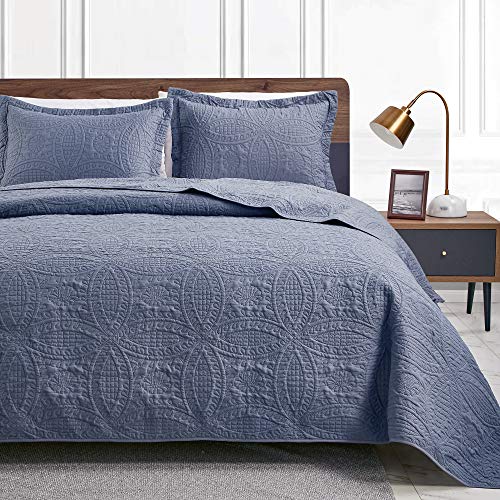
Cheap Bedspreads and Comforters: Complete Buying Guide
Learn how to choose bedspreads and comforters that balance comfort, durability, and style — without compromising on the sleep experience you deserve.
START READINGWhy Your Bedspread and Comforter Choice Matters
Your bedding is more than decoration — it directly influences how well you sleep, how warm you stay through the night, and how easy your bedroom is to maintain. A well-chosen bedspread or comforter regulates temperature, protects your mattress and inner layers, and ties the entire room together visually.
Many shoppers researching bedspreads and comforters already know they want better bedding. What they often still need is a clear framework for comparing materials, construction quality, and fit before committing to a purchase. This guide provides that framework, so you can evaluate options confidently and select bedding that suits your sleep habits and bedroom style.
If you are also reassessing the larger furniture in your room, it helps to understand when your foundation needs attention — our guide on when to replace your mattress explains the signs to watch for before layering new bedding on top.
Bedspreads vs Comforters: Understanding the Difference
These two terms are often used interchangeably, but they serve different purposes. Knowing the distinction helps you pick the right layer for your bed and your climate.
Bedspreads
A bedspread is a single, relatively thin covering designed to drape over the entire bed, often reaching close to the floor. It typically includes a quilted or woven top layer with a decorative edge. Bedspreads are valued for their neat, tailored look and their ability to hide the layers beneath. They work especially well in guest rooms, traditional bedrooms, and spaces where a crisp, finished appearance matters.
Popular configurations include complete queen bedspread sets that bundle matching shams, and oversized variants that accommodate thicker mattresses — see our overview of oversized bedspreads for deep-mattress compatibility.
Comforters
A comforter is a thicker, filled cover — usually with a down, down-alternative, or polyester fill — designed primarily for warmth. It is typically used with a duvet cover or as a standalone top layer, and it sits on top of sheets rather than draping to the floor. Comforters excel in cold rooms and for sleepers who prefer a plush, cloud-like feel.
Materials and Fill: What to Look For
The outer fabric and inner fill determine how bedding feels, breathes, and ages. Below is a practical comparison of the most common options you will encounter while researching.
| Material | Feel & Breathability | Durability | Best For |
|---|---|---|---|
| Cotton (percale, sateen) | Breathable, soft, temperature-neutral | Good with regular washing | Year-round use, sensitive sleepers |
| Chenille | Plush, textured, slightly warmer | Very good — resists pilling | Cozy bedrooms, textured decor |
| Microfiber / polyester | Smooth, lightweight, wrinkle-resistant | Excellent — holds shape well | High-traffic beds, easy maintenance |
| Linen | Airy, naturally moisture-wicking | Improves with age | Warm climates, relaxed styling |
| Down fill | Very warm, lightweight, lofty | Excellent with proper care | Cold rooms, luxury tier comfort |
| Down-alternative / polyester fill | Warm, hypoallergenic, consistent loft | Very good | Allergy-conscious sleepers, everyday use |
For textured, classic looks, chenille remains a strong performer. Our overview of white cotton chenille bedspreads explains how the weave contributes to both appearance and longevity. If you prefer a matelassé finish, the white king matelassé bedspread guide covers the construction details that separate durable pieces from flimsy ones.
Size Matching: Getting the Fit Right
A common source of disappointment is ordering bedding that does not drape or cover as expected. Always measure your mattress depth and compare it to the product's drop length, especially if you use a mattress topper or a deep mattress.
| Bed Size | Typical Mattress Dimensions | Bedspread Sizing Note | Comforter Sizing Note |
|---|---|---|---|
| Twin | 38 × 75 in | Look for generous drop for a full drape | Standard twin comforter fits most |
| Full / Double | 54 × 75 in | Check side drop for two-sleeper coverage | Full/queen sizing is common |
| Queen | 60 × 80 in | Most popular bedspread size | Queen comforter fits standard depth |
| King | 76 × 80 in | Verify width covers both sides | King comforter for full coverage |
| California King | 72 × 84 in | Longer length needed | Cal-king specific sizing recommended |
For California king owners, dedicated California king bedspreads and California king bedspreads and comforters guides break down the length and width nuances that generic sizing misses. If your bed has a headboard, factor that into how the bedding will tuck and drape — our bed with headboard reference is useful for understanding the interaction.
Quality Tiers Explained: Entry-Level to Luxury
Rather than focusing on specific numbers, it is more useful to understand where a product sits in the market relative to its peers. The tiers below describe construction and material quality in relative terms.
| Tier | Construction Characteristics | Best For |
|---|---|---|
| Entry-level tier | Basic stitching, lighter fill, standard polyester blends | Guest rooms, seasonal rotation, starter setups |
| Mid-range tier | Reinforced stitching, denser fill, better cotton blends | Everyday primary bedding, family households |
| High-end tier | Dense quilting, premium cotton or chenille, consistent fill distribution | Daily comfort-focused sleepers, design-conscious rooms |
| Luxury tier | Long-staple cotton, down or high-grade down-alternative fill, hand-finished details | Master bedrooms, long-term investment bedding |
In practice, a mid-range bedspread often offers the best balance for households that wash bedding frequently, while high-end and luxury tiers reward buyers who prioritize tactile quality and longevity. Entry-level options remain a reasonable choice for rooms that see light use — and they are easy to replace as needs evolve.
Matching Bedding to Your Bedroom Style
Bedding is the largest visual element in most bedrooms, so it should harmonize with the room's palette, furniture, and light. Here are practical directions based on common bedroom styles.
Modern and Minimalist Bedrooms
Solid colors, clean quilting lines, and matte finishes work best. A crisp white or neutral bedspread creates a calm backdrop, while a single textured layer — chenille or waffle weave — adds interest without clutter. For smaller rooms, our small bedroom decor guide offers ways to keep bedding visually light.
Traditional and Classic Bedrooms
Florals, damask patterns, and scalloped edges suit traditional spaces. A blue, white, and floral bedspread is a classic choice that pairs well with wooden furniture. For a refined monochrome look, a black and gold bedspread set adds contrast without visual noise.
Coastal and Nautical Bedrooms
Stripes, soft blues, and breathable cotton are hallmarks of coastal styling. Our nautical bedspreads queen size guide details the patterns and fabrics that maintain a breezy feel without looking themed.
Structured and Formal Bedrooms
Tailored bedspreads with matching shams create a hotel-inspired finish. A white queen bedspread set is a reliable anchor for formal rooms, and the Bates Queen Elizabeth bedspread reference is useful for buyers researching heritage-style construction.
If your goal is to coordinate bedding with existing side tables and lighting, browse our collection of bedside tables to tie the full picture together. Color-matched accents matter — a distressed white bedside table or a marble bedside table can shift how bedding tones read in the room.
Care and Longevity: Making Bedding Last
Even well-made bedding degrades faster without proper care. Follow the manufacturer's instructions first, and use these general principles as a baseline.
- Wash frequency: Wash bedspreads and comforters every few weeks, or more often in households with pets or allergies.
- Water temperature: Warm water is usually sufficient; hot water can fade dyes and shrink natural fibers.
- Drying: Tumble dry low with dryer balls to restore loft and prevent clumping of fill.
- Storage: Store in breathable cotton bags rather than vacuum-sealed plastic, which traps moisture.
- Rotation: Rotate between two sets to extend the usable life of each and reduce wash wear.
Pairing your bedding with a good mattress protector extends the life of the layers beneath — and if your mattress is nearing the end of its useful life, our when to replace mattress guide can help you plan the upgrade sequence.
Seasonal Selection: Warm vs Cool Weather Bedding
For year-round comfort, consider a layered approach. A lightweight bedspread serves as the base layer in warmer months, while a comforter adds warmth in cooler seasons. Sleepers who run warm often prefer breathable cotton or linen; those who run cold benefit from a comforter with a higher fill power.
A practical strategy is to own one mid-range bedspread for summer and one high-end comforter for winter, then blend them during transitional months. This approach balances comfort and long-term durability across the whole year.
Frequently Asked Questions
What is the difference between a bedspread and a comforter?
A bedspread is a thinner, single-layer covering that drapes to the floor and creates a finished look. A comforter is a thicker, filled cover designed primarily for warmth, usually used with sheets and sometimes a duvet cover.
How do I choose the right size for my bed?
Measure your mattress length, width, and depth, then compare with the product's dimensions and drop length. For deep mattresses or mattress toppers, look for oversized options. California king beds in particular require dedicated sizing.
Are down-alternative comforters suitable for allergy sufferers?
Yes — down-alternative fills are typically hypoallergenic and easier to clean than natural down. Look for designs with tightly woven shells to reduce dust mite penetration.
How often should I wash my comforter or bedspread?
Every two to four weeks is a reasonable baseline. Wash more frequently if you have pets, allergies, or use the bedding without a top sheet. Always follow the care label for temperature and drying instructions.
Can I use a comforter without a duvet cover?
Yes. Many comforters are designed for standalone use with a decorative shell. A duvet cover is optional and mainly helps protect the comforter and change the room's look quickly.
What does "quality tier" mean when shopping for bedding?
Quality tier describes where a product sits in the market relative to its peers — entry-level, mid-range, high-end, or luxury — based on materials, construction, and finish. It is more useful than isolated specifications because it reflects the overall experience.
Final Buying Checklist
Before you commit to a purchase, run through this checklist:
- Measure your mattress length, width, and depth.
- Decide whether you want the tailored drape of a bedspread or the warmth of a comforter.
- Choose a fabric that matches your climate and care preferences.
- Compare construction details: stitching density, fill distribution, and shell quality.
- Confirm the tier that fits your intended use — entry-level for guest rooms, mid-range for daily use, high-end or luxury for long-term comfort.
- Check the care instructions against your laundry setup.
- Coordinate color and texture with your existing bedroom decor.
- Consider owning two sets to rotate and extend longevity.
With these steps completed, you will be well positioned to choose bedding that delivers comfort, durability, and visual harmony — the three pillars of a restful bedroom.