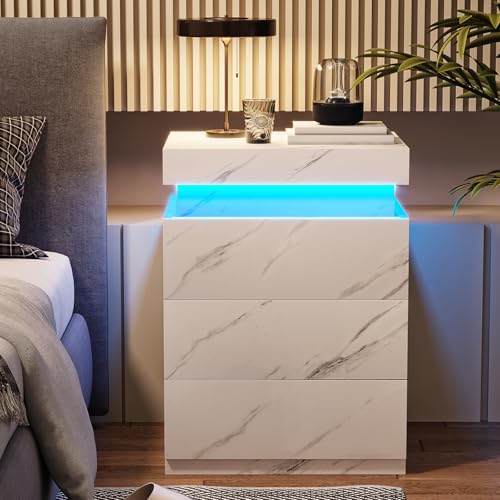
Marble Bedside Table: The Complete Buying & Styling Guide
Elevate your bedroom with a timeless marble bedside table. Learn how to choose the right marble type, size, and style for a refined and restful space.
A marble bedside table is more than just a surface for your lamp and book — it is a statement piece that brings natural elegance, cool texture, and lasting character to your bedroom. Whether you are redesigning your entire sleep sanctuary or simply upgrading your nightstand, a marble-topped table offers a unique blend of luxury and practicality that few other materials can match.
In this comprehensive guide, we walk you through everything you need to know before choosing a marble bedside table: the different types of marble, how to match it with your existing bedroom furniture, sizing considerations, and long-term care tips. By the end, you will have the confidence to select a marble nightstand that fits both your aesthetic vision and your daily routine.
Why Choose a Marble Bedside Table?
Marble has been a symbol of refinement in interior design for centuries, from grand European palaces to modern minimalist apartments. Its natural veining means no two pieces are ever identical, giving your bedroom a truly one-of-a-kind focal point. Beyond aesthetics, marble is naturally cool to the touch — a pleasant sensation on warm evenings — and its dense surface resists scratches and heat far better than wood or laminate.
Pairing a marble bedside table with complementary bedroom furniture is simple. If you already own a distressed white bedside table, adding a marble-top accent piece nearby creates a layered, curated look. Similarly, those who prefer darker palettes often balance a black bedside table with marble top against lighter bedding for striking contrast.
Design Tip: Mix, Don't Match
You do not need a matching pair of marble nightstands. Many interior designers recommend placing a marble bedside table on one side and a wooden or upholstered table on the other. This intentional asymmetry adds personality and prevents the bedroom from feeling like a showroom set.
Types of Marble for Bedside Tables
Not all marble is the same. The marble used in furniture typically falls into a few broad categories based on origin, veining pattern, and color. Understanding these differences helps you choose a bedside table that matches your interior style and expected level of maintenance.
Carrara Marble
The classic Italian marble with soft grey veining on a white background. Its understated elegance suits both traditional and modern bedrooms.
Calacatta Marble
Known for bold, dramatic gold and grey veining against a bright white base. A Calacatta top makes a confident design statement.
Nero Marquina
Deep black marble with striking white veins. Ideal for moody, sophisticated bedrooms and pairs beautifully with metallic accents.
Emperador Marble
Rich brown and beige tones with delicate veining. A warm alternative for bedrooms styled with earth tones and natural textures.
Engineered Marble
A manufactured blend of marble dust and resin. Consistent in appearance, easier to maintain, and a solid choice for busy households.
Travertine
Technically a sedimentary stone closely related to marble, travertine offers a warm, porous texture with subtle tonal variation.
Choosing the Right Size for Your Bedroom
A marble bedside table should be proportional to your bed and the available floor space. As a general rule, the top of the nightstand should sit level with or slightly below the top of your mattress — typically between 22 and 28 inches from the floor. This height ensures you can comfortably reach your lamp, phone, or glass of water without stretching.
For smaller bedrooms, consider a compact marble table with a single drawer. If you need extra storage, look for designs with open shelving or a lower shelf. Homeowners with larger bedrooms and king-size beds often have room for wider tables — 24 to 30 inches across — which provide generous surface area for decorative objects and reading materials. For those furnishing a master suite, our guide to master bedroom bedside tables offers additional layout ideas.
| Table Width | Best For | Storage Consideration |
|---|---|---|
| Up to 18 inches | Compact bedrooms, twin or full beds | Single drawer or open shelf |
| 18 to 24 inches | Queen beds, standard bedroom layouts | One or two drawers |
| 24 to 30 inches | King beds, spacious master suites | Two drawers plus lower shelf |
| 30 inches and above | Luxury suites, oversized bedrooms | Multiple drawers or cabinet doors |
Styling Your Marble Bedside Table
Once you have selected your marble table, the fun part begins: styling it. A well-styled nightstand balances function and beauty. Start with the essentials — a bedside lamp, a small tray for your watch and glasses, and perhaps a book you are currently reading. From there, add one or two decorative elements that reflect your personal taste.
Layering Textures and Tones
Marble's smooth, cool surface contrasts beautifully with softer materials. A linen lampshade, a ceramic vase, or a small stack of cloth-bound books adds warmth and visual interest. If your marble table has a white or light base, consider accessories in muted greens, warm neutrals, or brushed brass. Darker marble surfaces, such as Nero Marquina, pair especially well with crisp white ceramics and metallic accents.
Coordinating with Bedroom Decor
Your bedside table should feel integrated with the rest of the room. If you are working with a small bedroom, our small bedroom decor guide offers tips for maximizing style without clutter. For a cohesive look, echo the marble's veining colors in your bedding, curtains, or artwork. A subtle grey vein in the marble can be repeated in a throw blanket, while warmer beige tones can be mirrored in a woven rug.
Practical Styling: Keep It Functional
Remember that your bedside table is a working surface. Reserve at least half of the top for daily-use items — your phone, a glass of water, a lamp — and keep decorative objects to a minimum. A small drawer helps hide cables, chargers, and other clutter.
Marble Care and Maintenance
Marble is durable but porous, which means it can stain if liquids are left on the surface for extended periods. To keep your marble bedside table looking its best, wipe up spills promptly with a soft, damp cloth. Avoid acidic cleaners such as vinegar or lemon-based products, which can etch the stone over time. Instead, use a mild pH-neutral soap diluted in warm water.
For added protection, consider applying a stone sealer once or twice a year. This creates a barrier that slows absorption and makes everyday cleaning easier. Coasters under drinks and felt pads under lamps and decorative objects will prevent scratches and ring marks. With proper care, a quality marble bedside table can remain beautiful for decades — a true long-term investment in your bedroom's design.
Quick Care Checklist
Wipe spills immediately · Use coasters · Avoid acidic cleaners · Reseal annually · Use felt pads under heavy objects · Dust weekly with a dry microfiber cloth.
Pairing Marble Tables with Bedroom Furniture
A marble bedside table can work with virtually any bed frame style, but certain combinations are especially harmonious. With a wooden bed frame, marble adds a touch of refinement and prevents the room from feeling too rustic. With an upholstered or metal bed, marble reinforces a modern, polished aesthetic.
If you are considering a storage bed or a platform bed, marble nightstands can complement the clean lines beautifully. Our guide to beds without headboards with storage explores how to keep a minimalist bedroom organized while still incorporating elegant accents like marble. Additionally, for those who appreciate built-in solutions, beds with built-in bedside tables offer an alternative approach worth considering.
Common Mistakes to Avoid
When shopping for a marble bedside table, a few common pitfalls can lead to disappointment. First, many buyers underestimate the weight of solid marble. A genuine stone-top table can be quite heavy, so check the weight capacity of your floor and consider whether you will need help moving it during rearrangements. Second, avoid choosing a table that is too tall or too short relative to your mattress — even a beautiful table becomes frustrating if it is not ergonomically comfortable.
Third, do not overlook the base material. A marble top paired with a flimsy base will wobble and may not last. Look for solid wood, powder-coated steel, or other sturdy construction. Finally, consider the maintenance commitment. If you prefer a completely fuss-free bedroom, an engineered marble or sealed stone option may suit you better than a raw, unsealed natural marble surface.
Frequently Asked Questions
Is a marble bedside table suitable for a small bedroom?
Yes. Marble tables come in compact sizes — sometimes as narrow as 15 to 18 inches — that fit well in smaller bedrooms. Choose a design with a single drawer or open shelf to maximize utility without adding bulk.
Can marble bedside tables be used outdoors?
Natural marble can be used on a covered porch or patio, but prolonged exposure to rain and sun may dull the finish or cause staining. For outdoor use, choose a sealed, weather-resistant engineered marble or keep the table in a sheltered area.
How do I prevent my marble table from scratching?
Use felt pads under all decorative objects and lamps. Avoid placing sharp or abrasive items directly on the surface. Dust regularly with a soft microfiber cloth to remove grit that could cause micro-scratches.
Does marble feel cold to the touch?
Yes, natural stone has a cool sensation, which many people find refreshing. If you prefer a warmer surface, placing a small fabric runner or tray on the table can soften the feel.
What is the difference between marble and engineered marble?
Natural marble is quarried stone with unique veining. Engineered marble is a composite made from marble dust and resin, offering more consistent coloring and greater stain resistance. Both are suitable for bedside tables; the choice depends on your preference for authenticity versus low maintenance.