Childrens Beds With Mattress
A complete guide to choosing the best children's bed and mattress for your child's safety, comfort, and restful sleep.
View Recommended ProductsWhy Choosing the Right Children's Bed With Mattress Matters
Selecting a childrens bed with mattress is one of the most important decisions you'll make for your child's health and development. A well-chosen bed supports growing bones, promotes healthy sleep posture, and creates a safe sleeping environment. Children spend up to 12 hours a day in bed during their early years, making it essential to choose a combination that balances comfort, safety, and durability.
Whether you're upgrading from a crib, moving to a toddler bed, or outfitting a shared room with bunk beds, this guide covers everything you need to know. From mattress types and safety standards to bed frame styles and room layout, we've got you covered. For more inspiration, explore our childrens beds with mattress collection or read our complete mattress buying guide.
💡 Quick Tip: Always check the mattress firmness and support. A mattress that is too soft can lead to poor spinal alignment, while one that is too firm may cause discomfort. Look for a mattress specifically designed for children's weight and sleep patterns.
Types of Childrens Beds With Mattress
The market offers a wide range of children's beds, each with unique features and benefits. Understanding the options helps you choose the best fit for your child's age, room size, and personal preferences. Here are the most popular types:
1. Toddler Beds
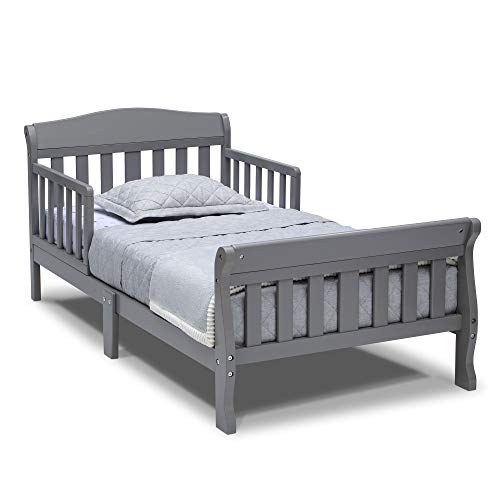
Designed for children transitioning from a crib (usually ages 1.5 to 4), toddler beds are low to the ground and often come with guardrails. They typically accommodate a standard crib mattress, making the transition easier. Many models feature playful designs like cars, princess castles, or animal themes to make bedtime exciting.
2. Twin Beds
Twin beds are the most common choice for children aged 4 to 12. They offer plenty of room to grow and fit standard twin mattresses. Twin XL versions are also available for taller children. Twin beds come in various styles, including white twin beds with storage, metal and wood combinations, and modern platform designs.
3. Bunk Beds
Perfect for siblings sharing a room or sleepovers, bunk beds maximize floor space. Options include twin-over-twin, twin-over-twin with stairs and storage, and full-over-full configurations. Some bunk beds can be separated into two individual beds, offering flexibility as children grow. Bunk beds that can be separated into twin beds are a smart investment for long-term use.
4. Loft Beds
Loft beds elevate the sleeping area, creating space underneath for a desk, play area, or storage. They are ideal for small rooms and older children. Our guide on loft beds with futon and desk can help you find the perfect study-sleep combo.
5. Storage Beds
These beds come with built-in drawers, shelves, or under-bed storage to keep the room tidy. Solid wood platform beds with storage drawers are durable and stylish, while white bunk beds with storage brighten up any child's room.
🛏️ Pro Tip: For growing children, consider a bed that can transition with them. Bunk beds that separate into twin beds or low bunk beds twin-over-twin with adjustable heights offer excellent long-term value.
Choosing the Right Mattress for Your Child's Bed
The mattress is just as important as the bed frame. A high-quality mattress supports healthy development and ensures restful sleep. Here are key factors to consider when buying a mattress for your children's bed:
Firmness Level
Children need a mattress that is firm enough to support their developing spine but comfortable enough to promote rest. The ideal firmness is medium-firm for most children. Avoid very soft mattresses, which can cause improper spinal alignment and increase the risk of suffocation for infants and toddlers.
Material Type
- Memory Foam: Conforms to the body, providing excellent pressure relief. Look for cooling gel-infused options to prevent overheating.
- Innerspring: Traditional and durable, with good airflow. Choose models with reinforced edges for better support.
- Hybrid: Combines foam and innerspring for a balanced feel—great for active children.
- Organic/Natural: Made from natural latex, cotton, or wool. Ideal for children with allergies or sensitive skin. Explore organic mattresses for a chemical-free sleep environment.
Size and Fit
The mattress must fit the bed frame snugly—gaps should be less than two fingers wide to prevent entrapment. Standard sizes include crib, toddler, twin, and full. Check our mattress size chart for exact measurements. For bunk beds, always ensure the mattress height does not exceed the safety rails. Full-size mattress bunk beds are a great choice for older children or teens.
Safety Certifications
Look for mattresses certified by Greenguard Gold, CertiPUR-US, or OEKO-TEX. These certifications ensure the mattress is free from harmful chemicals and meets strict emission standards for indoor air quality. Always prioritize safety when choosing a childrens bed with mattress.
🧪 Safety Note: Avoid mattresses with added flame retardants that contain toxic chemicals. Natural wool or cotton barriers are safer alternatives. Always read the product label and certifications carefully.
Safety Features to Look for in Childrens Beds
Safety is paramount when choosing any piece of children's furniture. Here are essential safety features to check before buying a childrens bed with mattress:
- Guardrails: Essential for toddler beds and top bunks. Ensure they are at least 5 inches above the mattress surface and securely attached.
- Sturdy Construction: The bed should be made from solid wood or high-quality metal. Check for heavy-duty options if you have active children or plan to use the bed for many years.
- Non-Toxic Finishes: All paints and varnishes should be lead-free and non-toxic. Look for water-based finishes.
- Stable Ladders: For bunk or loft beds, the ladder should have wide, slip-resistant steps and be securely attached. Modern bunk beds with stairs are safer for younger children.
- Weight Capacity: Always check the manufacturer's weight limits. Overloading can cause structural failure. Bunk beds for adults have higher weight capacities and are also suitable for growing teens.
- No Sharp Edges: Rounded corners and smooth edges prevent injuries from bumps and falls.
⚠️ Important: Never place bunk beds near ceiling fans, light fixtures, or windows. Ensure there is at least 2 feet of clearance between the top bunk and the ceiling for safety.
Creating the Perfect Kids' Bedroom Setup
A well-designed bedroom promotes better sleep and encourages independence. Here are practical tips for arranging your child's room around their new childrens bed with mattress:
Maximize Space with Smart Furniture
In small rooms, every inch counts. Space-saving beds are just as effective for kids. Consider loft beds with a futon and desk to combine sleeping, studying, and relaxing in one footprint. Bunk beds with 2 beds and a desk are perfect for siblings sharing a room while maintaining individual study areas.
Add Functional Storage
Reduce clutter with beds with bookcase headboards, bedside tables attached to the bed, and under-bed storage drawers. White 3-drawer bedside tables are versatile and match most decor styles. For a playful touch, tropical bedspreads or purple bedspreads can add personality to the room.
Lighting and Décor
Proper lighting is essential for a child's bedroom. Combine a main ceiling light with a bedside lamp for reading. Wall sconces save space and add a modern touch. If your child is sensitive to light, consider blackout curtains to create a sleep-friendly environment. Use fun, age-appropriate wall art and rugs to make the room feel warm and inviting.
🌙 Sleep Environment: Keep the room cool (65–68°F), dark, and quiet for optimal sleep. A white noise machine can help block out disturbing sounds and create a consistent sleep environment.
Budget Guide: How Much to Spend on a Childrens Bed With Mattress
Prices for children's beds and mattresses vary widely based on type, materials, and brand. Here's a realistic breakdown to help you plan your budget:
| Bed Type | Price Range (Bed Only) | Mattress Range | Total Estimated Cost |
|---|---|---|---|
| Toddler Bed | $100–$350 | $80–$200 | $180–$550 |
| Standard Twin Bed | $150–$600 | $150–$400 | $300–$1,000 |
| Bunk Bed (Twin/Twin) | $300–$1,200 | $300–$800 (2 mattresses) | $600–$2,000 |
| Loft Bed with Desk | $400–$1,000 | $150–$400 | $550–$1,400 |
| Storage Bed (Twin) | $350–$800 | $150–$400 | $500–$1,200 |
For the best value, consider purchasing a childrens bed with mattress as a set—many retailers offer bundles at discounted prices. Keep an eye out for seasonal sales, especially around back-to-school and Black Friday. If you're on a tighter budget, budget mattresses often provide good quality for less.
Frequently Asked Questions About Childrens Beds With Mattress
What size bed is best for a 5-year-old?
A twin bed is ideal for most 5-year-olds. It offers enough space to grow and accommodates standard twin mattresses. If you have limited space, a toddler bed may work for a short transition period.
Can I use a regular mattress on a bunk bed?
Yes, but you must check the bunk bed's specifications for maximum mattress thickness. Most bunk beds require a mattress no thicker than 6–8 inches to ensure the safety rails are effective.
How often should I replace my child's mattress?
Children's mattresses generally last 5–8 years. However, if you notice sagging, lumps, or if your child complains of discomfort, it's time to replace it. See our guide on when to replace a mattress for more details.
Are bunk beds safe for 4-year-olds?
Most experts recommend waiting until at least age 6 for the top bunk. Younger children can sleep on the bottom bunk, provided there is a sturdy guardrail and a secure ladder.
What mattress firmness is best for a child?
Medium-firm is generally recommended for children. It provides adequate support for growing bones while still being comfortable. Always choose a mattress specifically designed for a child's weight and age.