Coffee Table Styles: The Complete Buying Guide
Discover the most popular coffee table styles, materials, and shapes. Learn how to choose the perfect centerpiece for your living room that balances form, function, and long-term durability.
Explore StylesWhy the Coffee Table Matters: The coffee table is more than a surface for drinks and remote controls — it is the visual anchor of your living room. The right style can tie a room together, while the wrong one can make even the best-designed space feel off. This guide breaks down every major style, material, and shape so you can make a confident, informed decision before you buy.
Why the Right Coffee Table Style Matters
A coffee table sits at the center of your living room, which means it influences the flow of the entire space. The style you choose affects how the room feels — a glass table can make a compact space feel open and airy, while a solid wood table adds warmth and grounding. Beyond aesthetics, the right table supports daily life: holding drinks, books, and trays, and serving as a gathering point for family and guests. Before exploring styles, consider how you use your living room and how much maintenance you are comfortable with. If you are also furnishing a bedroom alongside your living area, our guides on contemporary beds and contemporary upholstered beds can help you create a cohesive design language across your home.
The Major Coffee Table Styles
Coffee tables come in a wide range of design families. The styles below represent the most common categories you will encounter in stores and online. Each brings a distinct character to a room, and most can be adapted to different interior design schemes.
Modern & Contemporary
Clean lines, geometric shapes, and minimal ornamentation define this style. Modern coffee tables often feature mixed materials such as glass tops with metal frames, or sleek wood surfaces with recessed bases. This style works well in open-plan spaces and pairs naturally with contemporary bedroom furniture for a unified modern home.
Versatile choiceMid-Century Modern
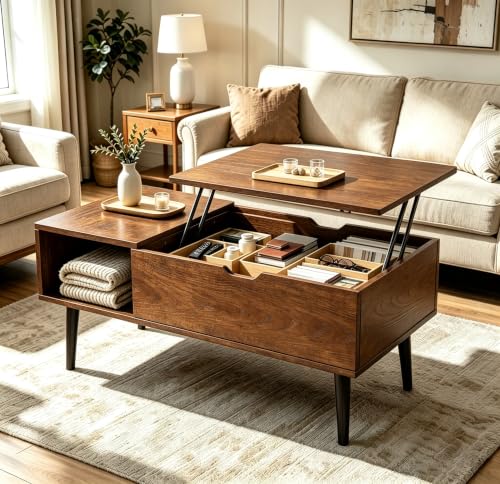
Characterized by tapered legs, organic curves, and warm wood tones, mid-century modern coffee tables bring a retro yet timeless feel. These tables often feature kidney shapes, oval tops, or sculpted edges. They suit living rooms with vintage accents and work beautifully alongside cherry bedside tables when you want to carry the same warm wood palette into the bedroom.
Design-focusedRustic & Farmhouse
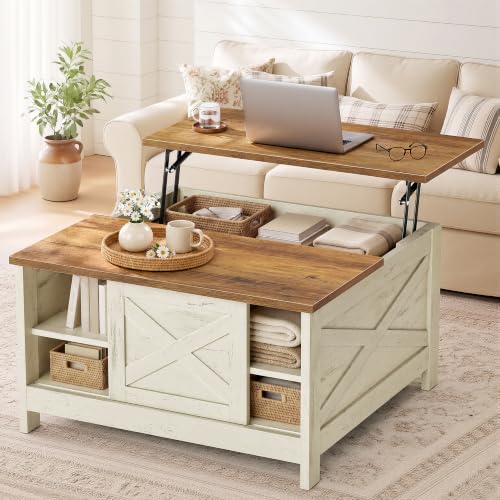
Rustic coffee tables emphasize natural materials, distressed finishes, and substantial proportions. Reclaimed wood, visible grain, and sturdy legs are hallmarks of this style. These tables bring warmth and texture to a room and pair well with other natural-element furniture such as cherry wood bedside tables and woven textiles.
Warm & texturedIndustrial
Industrial coffee tables combine raw metal frames with wood or concrete tops. Exposed hardware, rivets, and distressed surfaces give these tables a workshop-inspired character. They suit loft apartments and open living spaces, and their heavy-duty construction often makes them a durable long-term investment.
Heavy-duty buildScandinavian & Minimalist
Light woods, white finishes, and simple silhouettes define Scandinavian coffee tables. Function comes first — many models include lower shelves for storage or magazines. These tables make compact living rooms feel larger and brighter, and they complement white bedside tables for a consistent light-toned palette throughout the home.
Space-efficientTraditional & Classic
Traditional coffee tables feature carved details, turned legs, and rich wood finishes. They often include glass tops and ornate metal accents. This style suits formal living rooms and pairs well with heritage-inspired bedroom pieces such as colorful bedside tables when you want coordinated decorative accents.
Ornate detailingCoffee Table Materials Explained
The material of your coffee table determines not only its look but also its durability, maintenance requirements, and how it interacts with the rest of your room. Here is how the most common materials compare.
Solid Wood
Warm, durable, and timeless. Solid wood tables can be refinished over time, making them a long-term investment. Oak, walnut, and teak are common choices. Wood is best for living rooms where you want a grounding, natural element.
Glass
Glass tops create a sense of openness and make compact rooms feel larger. They are easy to clean but show smudges and fingerprints. Tempered glass is the standard for safety and durability. Glass pairs well with metal or wood bases.
Metal
Steel and aluminum frames offer industrial strength and a sleek profile. Powder-coated finishes resist rust and scratches. Metal tables are often lighter than they appear and suit modern and industrial interiors.
Stone & Marble
Marble and stone tops deliver a premium, luxury look with unique veining. They are heavy and require sealing to resist stains. Stone tables are best suited to formal living rooms or spaces where the table is not subject to heavy daily use.
Engineered Wood
MDF and particleboard with veneer finishes offer a consistent look and a more accessible entry point into wood-style furniture. Quality varies widely — look for well-sealed surfaces and sturdy joinery for a solid build.
Mixed Materials
Combining wood with metal, or glass with stone, creates visual contrast and allows you to match multiple design elements in one piece. Mixed-material tables are feature-rich for their class and suit eclectic interiors.
Choosing the Right Shape and Size
Shape and size are just as important as style. A table that is too large will crowd the room, while one that is too small will feel lost. Use the guidance below as a starting point, then adjust based on your room layout and how you use the space.
| Shape | Best For | Considerations |
|---|---|---|
| Rectangular | Long sofas and large living rooms | Classic and space-efficient along straight walls; offers generous surface area |
| Square | Sectional sofas and compact seating arrangements | Balanced look; works well in square rooms and conversation-focused layouts |
| Round | Small rooms and homes with children | No sharp corners; promotes easy circulation around the table |
| Oval | Medium to large living rooms | Softer than rectangular; good for rooms with curved furniture or arched doorways |
| Nesting / Multi-piece | Flexible spaces and entertaining | Can be separated when guests arrive; space-saving when stored together |
Pro Tip: A coffee table should sit roughly 14 to 18 inches from your sofa to allow comfortable legroom. Its length should be about half to two-thirds the length of your sofa for a balanced proportion. If you are furnishing a compact apartment, consider space-saving furniture across the home — our guides on comfortable space-saving beds and convertible beds for small spaces follow the same principles of proportion and flexibility.
Matching Coffee Table Styles to Your Room
The best coffee table style is the one that fits both your room and your lifestyle. Here is how to align style choices with common living room setups.
Open-Plan Living Areas
Choose a low-profile modern or glass table that does not block sightlines. A round or oval shape helps define the seating zone without creating visual barriers. Mixed materials such as wood and metal add interest without bulk.
Small Apartments & Studios
Nesting tables, glass tops, and wall-hugging rectangular designs maximize usable floor space. Light finishes reflect light and make compact rooms feel larger. Consider a table with a lower shelf for extra storage.
Family Homes
Prioritize durable surfaces and rounded edges. Solid wood and engineered wood with sealed finishes resist daily wear. A table with storage drawers or a lower shelf helps keep clutter contained.
Formal Living Rooms
Marble, stone, and richly finished wood tables work well in formal settings. Choose a statement piece that anchors the room and pairs with traditional or transitional sofas. Glass tops with metal bases offer a refined, polished look.
Understanding Quality Tiers
Coffee tables are available across a wide spectrum of construction quality. Rather than focusing on numbers, use these tier descriptors to understand where a table sits in the market and what level of durability and finish you can expect.
| Tier | Typical Characteristics | Best For |
|---|---|---|
| Entry-Level | Engineered wood or veneer surfaces; basic hardware; simpler joinery | First apartments, temporary setups, or low-traffic spaces |
| Mid-Range | Solid wood or quality veneers; reinforced joints; improved finishes | Daily-use family living rooms and long-term home furnishing |
| Premium | Solid hardwoods, stone tops, or tempered glass; precision joinery | Formal living rooms and design-focused interiors |
| Luxury | Exotic woods, genuine marble, hand-finished details; heirloom construction | Statement pieces for high-end interiors and collectors |
Practical Tips Before You Buy
Measure Twice
Measure your sofa length, the distance between the sofa and the TV or fireplace, and the walking paths around the seating area. Use painter's tape on the floor to visualize the table's footprint before ordering.
Check the Finish
Look for sealed, water-resistant finishes if the table will hold drinks regularly. Matte finishes hide fingerprints better than high-gloss surfaces, while textured finishes conceal minor scratches.
Test Stability
A well-built table should not wobble. Check for adjustable feet or leveling glides, especially on uneven floors. Heavier bases are generally more stable but harder to move.
Plan for Assembly
Many online coffee tables require assembly. Check whether tools are included and read reviews about assembly difficulty. Flat-pack designs are convenient for transport but may have more joints over time.
Ready to Find Your Perfect Coffee Table?
Browse our recommended selection of coffee tables across every major style, material, and quality tier.
View Recommended Coffee TablesFrequently Asked Questions
What is the most popular coffee table style?
Modern and contemporary styles are currently the most popular choices, offering clean lines and versatile finishes that complement many interior design schemes. However, the best style ultimately depends on your existing decor and personal preference.
How do I choose the right coffee table size?
A general rule is that your coffee table should be roughly half to two-thirds the length of your sofa. It should also sit about 14 to 18 inches away from the sofa to allow comfortable movement and legroom.
What materials are best for a coffee table?
Wood offers warmth and durability, glass creates an airy feel, metal provides industrial strength, and stone delivers a premium look. The best material depends on your lifestyle, design preferences, and how much maintenance you are willing to do.
Should a coffee table match the sofa or the room?
It should harmonize with both. You do not need an exact match — instead, aim for complementary tones and proportions. A wood table with a fabric sofa, or a glass table with a leather sofa, often creates a balanced contrast.
Is a glass coffee table practical for families with children?
Tempered glass is durable and safe, but it does show fingerprints and smudges. Rounded glass edges and a sturdy base reduce risk. Many families prefer wood or rounded tables for high-traffic living rooms.