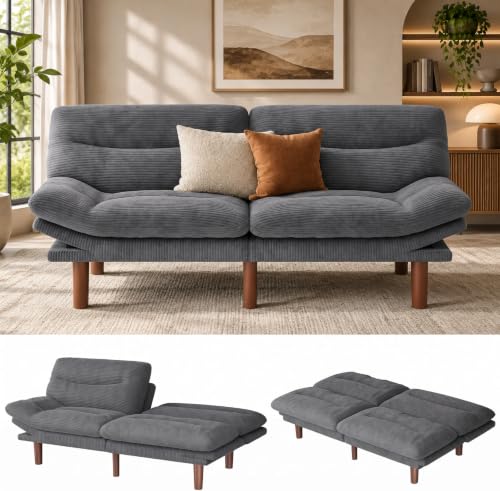
Comfortable Sofa Beds for Seamless Living
Turn any room into a welcoming guest space with a sofa bed that actually feels good to sit on and sleep in. This guide walks you through frame mechanisms, mattress construction, sizing, and layout so you can choose with confidence.
Explore the Buying GuideWhy this guide matters: A sofa bed is one of the most used dual-purpose pieces in a home. Getting the frame, mattress, and room fit right the first time prevents the classic problem of a piece that looks good but sleeps poorly. Use the sections below to match a model to your space, your guests, and your daily seating habits.
What Actually Makes a Sofa Bed Comfortable
Comfort in a sofa bed is not a single feature — it is the result of three layers working together: the frame mechanism, the mattress core, and the upholstery. When one of these is underbuilt, the whole piece suffers. A reinforced metal mechanism paired with a supportive mattress core and a tightly tailored cover is the formula that separates a genuinely restful sleeper from a lumpy compromise.
Most disappointing sofa beds fail on the mattress layer. Thin foam pads over a metal deck create pressure points at the hips and shoulders. Look for models that specify a mattress depth of at least four inches, or better, a dedicated sleeper mattress with a quilted top layer and a supportive base. If you are comparing against other dual-purpose options, our guide to convertible couches explains how convertible frames differ from true sleeper mechanisms.
Frame Mechanism
A reinforced steel mechanism with smooth folding action is the backbone of a durable sleeper. Mid-range and high-end tier models typically use heavier gauge steel and fewer pinch points than entry-level builds.
Mattress Core
Dense foam or a pocket-spring core with a quilted top sleeps noticeably better than a flat pad. Four inches is the practical minimum for overnight comfort.
Seat Cushioning
In sofa mode, high-resilience foam wrapped in fiber holds its shape. A balanced tier model should feel supportive rather than soft and sinking.
Sofa Bed Types Compared
Not every dual-purpose sofa works the same way. The mechanism you choose affects how much floor space the piece needs, how often it can be folded out, and how comfortable the sleeping surface feels. The table below compares the main categories using quality tiers and intended use rather than numeric figures.
| Type | Best For | Comfort Tier | Space Note |
|---|---|---|---|
| Pull-out sleeper | Frequent overnight guests | Mid-range to premium | Needs clearance in front when open |
| Click-clack | Occasional use, small rooms | Entry-level to mid-range | Folds flat in place, minimal clearance |
| Futon | Casual seating and short stays | Entry-level | Compact footprint, firm sleep surface |
| Sectional sleeper | Living rooms with generous floor area | Mid-range to high-end | Largest footprint, best seating capacity |
For rooms where floor space is the limiting factor, a guest bed for small spaces or a double sofa bed often fits better than a full sectional. If the room also needs to handle daytime lounging, a sofa sleeper with a thicker mattress strikes the best balance.
Sizing and Room Fit
Measure twice before choosing. A sofa bed occupies floor space in two states: closed for seating and open for sleeping. The open state is where most buyers are caught out, because a pull-out mechanism extends forward by the depth of the mattress.
- Measure the wall length where the sofa will sit, then subtract at least 6 inches on each side for comfortable arm clearance.
- Check the open footprint: pull-out models need clear floor in front equal to the mattress length.
- Confirm doorway and stairwell clearance — a sectional sleeper often arrives in sections, while a one-piece frame may not fit through a narrow hall.
- Leave 24 to 36 inches of walking space between the open bed and nearby furniture or walls.
- Match the sleeper size to the room: twin works for a home office, full suits a guest room, and queen fits a primary living space.
Mattress and Upholstery Quality
The mattress inside a sofa bed is the single biggest driver of sleep quality. Entry-level sleeper sofas often use a thin foam pad that bottoms out under weight, while mid-range models move to a denser foam or a pocket-spring core with a quilted cover. Premium and luxury tier sleepers frequently include a dedicated mattress with a breathable cover and a supportive base layer.
Upholstery matters for daily durability. Tightly woven performance fabrics resist pilling and spills, and removable covers make long-term maintenance far easier. For pieces that double as the main seating in a living room, look for reinforced stitching at the seat deck and a frame that specifies kiln-dried hardwood or high-grade steel.
Foam Density
Higher density foam resists sagging. A mid-tier sleeper with dense foam usually outlasts an entry-level model with a soft pad.
Quilted Cover
A quilted top layer distributes pressure and adds a small amount of cushioning without hiding the support layer beneath.
Performance Fabric
Tight weaves with stain resistance are practical for family rooms and rentals where the sofa sees daily use.
Placement and Styling Tips
Where you place the sofa bed determines how often it gets used. A sleeper placed against a solid wall with a nearby narrow bedside table or a bedside table with wheels reads as a proper guest bed rather than a temporary afterthought. In a living room, anchoring the piece with a bedroom bench or a low dresser keeps the room feeling intentional in both modes.
Lighting makes a difference for guests. A bedside table lamp placed on a side table near the open bed gives a warm, hotel-like feel. If the room doubles as a home office, our guide to loft beds with a desk shows how dual-purpose layouts can be planned without crowding the floor.
Care and Maintenance
A sofa bed lasts longer when the mechanism is exercised regularly and the mattress is protected. Rotate or flip the mattress according to the manufacturer's instructions, and vacuum the seat deck when the mattress is removed. Lubricate metal joints sparingly once or twice a year, and keep the mechanism free of dust and pet hair.
- Fold the mechanism open and closed a few times each month to keep the joints moving smoothly.
- Use a mattress protector to guard against spills and dust mites.
- Vacuum fabric covers monthly and spot clean promptly with a mild detergent.
- Check screws and bolts every few months and tighten as needed.
- Keep the sleeper away from direct heat sources that can dry out foam and fabric.
Frequently Asked Questions
How often can a sofa bed be used for sleeping?
A mid-range or premium pull-out sleeper with a dedicated mattress is designed for regular overnight use. Entry-level click-clack models are better suited to occasional stays. If guests sleep over several nights a week, choose a model with a reinforced mechanism and a thicker mattress core.
What is the most comfortable sofa bed mattress type?
A pocket-spring core with a quilted foam top layer generally offers the best balance of support and pressure relief. High-density foam is the next best option. Thin foam pads over a metal deck should be treated as temporary solutions rather than long-term sleep surfaces.
Do sofa beds need extra floor clearance?
Pull-out models need clear floor in front equal to the mattress length, plus a small margin for the frame. Click-clack and futon models fold flat in place and need far less clearance, which makes them a practical choice for compact rooms.
Can a sofa bed replace a guest room bed entirely?
Yes, if the room is used for seating most of the time and the sleeper has a quality mattress. A full or queen pull-out with a supportive core is a legitimate permanent guest bed. Combine it with a proper side table and lamp so the space reads as a bedroom when the bed is open.
How do I keep the sofa bed mechanism smooth?
Exercise the mechanism monthly, keep the joints clean, and apply a small amount of lubricant once or twice a year. Avoid forcing the frame if it feels stiff — check for debris or a misaligned hinge before applying more force.
For related dual-purpose layouts, our guides to day beds with a trundle and trundle beds with storage cover additional ways to add sleeping capacity without sacrificing floor space.