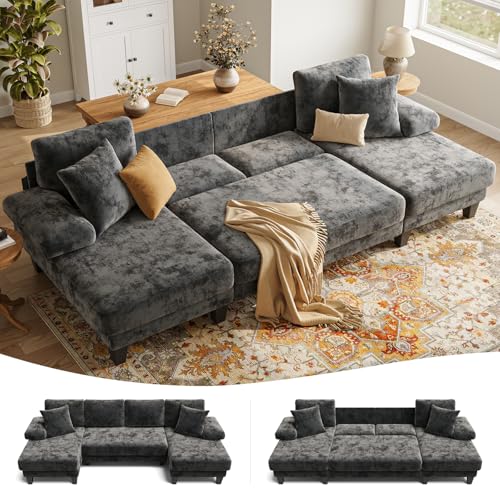
Sofa Sleepers: The Complete Buying Guide
Discover how to choose a convertible couch that delivers genuine seating comfort by day and restful sleep by night. Compare types, mechanisms, and key features before you decide.
Explore Buying ChecklistWhy sofa sleepers matter: A well-chosen sofa sleeper transforms a living room, home office, or studio into a welcoming guest space. The right model balances everyday seating support with overnight comfort, making it one of the most versatile furniture investments for compact and multi-use homes.
What Makes a Great Sofa Sleeper?
Sofa sleepers, also known as convertible couches or sofa beds, are dual-purpose furniture pieces engineered to serve as seating during the day and as a sleeping surface at night. The best models succeed on both fronts because they use a supportive seat cushion construction and a mattress designed for overnight rest — not merely a thin pad layered over a metal frame.
When researching comfortable sofa beds, pay close attention to three elements: the mattress thickness and material, the conversion mechanism that folds or pulls the bed out, and the frame construction that determines long-term stability. These factors separate a guest-worthy sleeper from a model that disappoints after the first overnight visit.
For homes with limited square footage, a convertible couch often replaces both a sofa and a dedicated guest bed, freeing up an entire room. If your priority is maximizing space without sacrificing guest comfort, exploring guest beds for small spaces can help you compare sleeper sofas against other compact solutions such as folding beds and daybeds with trundles.
Types of Sofa Sleepers and Convertible Couches
Sleeper sofas are not a single category. The mechanism and mattress style vary significantly, and each design suits a different combination of seating habits, guest frequency, and room layout. The table below summarizes the major types and their best use cases.
| Type | How It Works | Best For | Market Tier |
|---|---|---|---|
| Pull-Out Sleeper | Folds out via a metal or wooden frame, revealing a full-size mattress | Occasional guests, standard living rooms | Entry-level to mid-range |
| Click-Clack Convertible | Backrest reclines flat to form a sleeping surface | Studios, apartments, frequent rearranging | Entry-level to mid-tier |
| Futon Sofa Bed | Fabric-covered mattress on a hinged frame, folds flat | Casual seating, occasional overnight use | Essential tier |
| Sectional Sleeper | Chaise or sectional configuration with a hidden pull-out mattress | Family rooms, larger spaces, regular hosting | Mid-range to premium |
| Murphy-Style Wall Bed Sofa | Sofa folds up against the wall to reveal or conceal a bed | Multi-use rooms, home offices | Premium to luxury |
Key Features to Evaluate Before You Buy
Mattress Quality
Thicker, higher-density mattresses provide better overnight support. Innerspring and memory foam options each suit different sleeper preferences. Inspect the mattress depth rather than assuming all sofa sleepers sleep the same.
Conversion Mechanism
Test the fold-out or click-clack action. A smooth, well-reinforced mechanism reduces wear and prevents the frame from jamming. Metal frames with high-grade steel construction generally last longer than lightweight alternatives.
Seating Comfort
The sofa must feel like a proper couch when closed. Look for supportive seat cushions, adequate seat depth, and a backrest height that suits your living room. A comfortable sofa bed should not feel like a compromise.
Frame and Build
Solid wood, plywood, and heavy-duty metal frames offer long-term durability. Reinforced joints and rust-proof finishes are indicators of a solid build that will withstand frequent conversion.
Dimensions and Fit
Measure the closed footprint, the fully extended footprint, and the door clearance. A sleeper sofa that fits the room but cannot open fully is a common and frustrating oversight.
Upholstery and Care
Performance fabrics and removable covers simplify maintenance, especially in households with pets or children. Consider texture, stain resistance, and whether the fabric suits year-round use.
Sofa Sleeper Buying Checklist
Use this checklist to evaluate any convertible couch you are considering. Each point addresses a practical concern that surfaces after purchase, not just at the showroom.
- Measure twice: Confirm both closed and open dimensions, plus clearance for the pull-out path and nearby furniture.
- Test the mattress: Lie on the extended mattress for several minutes. Check for pressure points, sagging, and adequate length for your tallest guest.
- Operate the mechanism: Convert the sofa several times to assess smoothness, noise, and effort required.
- Sit for 15 minutes: Evaluate seat depth, cushion firmness, and back support before committing.
- Inspect the frame: Look for reinforced corners, quality joinery, and heavy-duty hardware.
- Review upholstery: Confirm whether covers are removable and whether the fabric suits your household's daily use.
- Plan storage: Consider where bedding will live when the sleeper is not in use, especially in compact rooms.
If your space is genuinely tight, a slim-profile sleeper pairs well with compact bedroom furniture. A small round bedside table or a narrow bedside table can serve the room without crowding the sleeper's footprint, while a modern bedroom bench adds seating that doubles as a place to set folded linens.
Integrating a Sleeper Sofa Into Your Room Design
A sofa sleeper works best when it is treated as a deliberate design element rather than an emergency solution. In a studio or multi-purpose room, position the convertible couch to define a clear seating zone by day; when opened, that same area becomes a guest sleeping nook. The transition feels natural when surrounding furniture supports both roles.
For a cohesive look, pair the sleeper with complementary pieces from the same style family. A mid-century bedside table next to the sofa arm adds a convenient surface for a lamp and a book, while a mid-century bed in an adjacent room maintains visual continuity across the home. If the sleeper sits in a larger guest suite, anchor it with a modern upholstered bed or a platform upholstered bed so the room reads as a unified sleeping space rather than a living room with a backup bed.
Heavy furniture users should prioritize stability. If your household includes adults who frequently use the sleeper, look for models built with the same durability philosophy as heavy-duty furniture: reinforced frames, high weight capacities, and mechanisms rated for regular operation. A sleeper sofa that wobbles or sticks undermines both seating and sleeping comfort.
For rooms with a distinct style, the sleeper should match it. In a traditional bedroom setting, a fabric sleeper with classic lines blends naturally; in a modern space, a streamlined convertible couch complements clean-lined modern platform beds and modern storage beds. If the room also needs a guest bed for longer stays, comparing the sleeper against a day bed with a full-size trundle helps clarify which format suits your hosting pattern.
Sofa Sleeper vs. Other Guest Sleeping Solutions
A sofa sleeper is only one option among several dual-purpose and guest-focused solutions. Understanding the alternatives helps you choose the format that best matches your room and hosting habits.
Versus Daybeds
Daybeds with a trundle provide two separate sleeping surfaces and are easy to convert, but they occupy a fixed footprint. A queen daybed with a trundle suits dedicated guest rooms, while a sleeper sofa offers more living-room seating flexibility.
Versus Murphy Beds
Wall beds free up floor space entirely when closed. A modern Murphy bed or a cabinet Murphy bed in queen size is ideal for home offices, though installation is more involved than placing a freestanding sleeper.
Versus Dedicated Guest Beds
For frequent overnight guests, a dedicated bed delivers superior long-term comfort. Options range from modern full-size beds to compact guest beds for small spaces, each prioritizing sleep quality over seating versatility.
The right choice depends on frequency of use. If guests stay once a month, a quality sofa sleeper is efficient and space-conscious. If the room functions primarily as a guest room, a dedicated bed such as a queen platform bed with headboard or a modern queen-size bed will serve overnight visitors better. Homes that host larger groups may benefit from comparing sleeper sofas with double sofa beds and other multi-person arrangements.
Frequently Asked Questions About Sofa Sleepers
What should I look for when choosing a sofa sleeper?
Are convertible couches suitable for everyday sleeping?
How do sofa sleepers compare to a dedicated guest bed?
How can I keep a sleeper sofa comfortable over time?
What mattress thickness works best for a sofa sleeper?
Whether you pair your sleeper with a rectangular bedside table, a cherry wood bedside table, or a modern bedside table lamp, the goal is the same: a room that works seamlessly for both daily living and overnight guests. For homes that rotate between seating and sleeping functions, a foldable bed can supplement the sleeper during busy hosting periods, while a modern storage bed with drawers in another room keeps bedding organized and out of the way.