Discounted Beds and Furniture: Smart Buying Guide
Learn how to identify genuine value across entry-level, mid-range, and premium tiers. Find well-built beds and furniture that fit your needs, your space, and your long-term expectations.
Explore the Buying FrameworkSleepWisePicks Philosophy: A smart purchase is not about chasing the lowest tier on the shelf — it is about matching construction quality, materials, and features to how you actually sleep and live. This guide walks you through the furniture landscape so you can recognize genuine value and avoid false economies.
Why the Right Bed and Furniture Purchase Matters
Beds and bedroom furniture are among the few purchases you interact with every single day. A bed frame supports your mattress, shapes your room layout, and influences how well you rest. When you choose poorly, the consequences show up slowly: a squeaking frame, sagging slats, peeling veneer, or drawers that stop gliding after a few months.
That is why understanding the market structure matters more than memorizing brand names. Furniture is broadly organized into quality tiers, and each tier follows different manufacturing priorities. Entry-level pieces prioritize accessibility and basic function. Mid-range pieces add sturdier joinery and better hardware. Premium and luxury tiers invest in solid materials, refined finishing, and long service life.
If you are still deciding what type of bed suits your room, our overview of different types of beds is a helpful starting point. And if space is your main constraint, the guide on custom made beds for small rooms explains how layout and frame design interact.
The Tier Framework: Comparing Value Without Chasing Numbers
Instead of asking "which is the lowest tier," ask "which tier matches my use case?" A guest room used a few times a year has different requirements than a master bedroom used nightly for a decade. Use the framework below to align expectations with construction quality.
Entry-Level / Essential Tier
Basic engineered wood, simple slat systems, and straightforward assembly. Suitable for guest rooms, temporary setups, and first apartments where function matters more than longevity.
Mid-Range / Balanced Tier
Reinforced joinery, better hardware, and more consistent finishing. A solid choice for daily use where you want durability without moving into the top of the market.
Premium / High-End Tier
Solid wood components, refined upholstery, and heavier-duty support systems. Built for long-term daily use with a focus on stability and finish quality.
Luxury / Flagship Tier
Hand-finished details, premium materials, and precise craftsmanship. Intended for buyers who treat bedroom furniture as a long-term investment in comfort and design.
A common mistake is comparing a mid-range frame to a luxury frame on appearance alone. The visible difference may be subtle, but the hidden difference — joinery, hardware, slat thickness — is what determines how the piece performs over years of use. Entry-level models often look similar on day one but reveal their limits through creaking, wobbling, or surface wear.
Our guide to designer beds explores how premium design decisions translate into real-world durability, while the breakdown of durable bunk beds for adults shows how heavy-duty construction differs from standard frames.
Where Genuine Value Hides in the Furniture Market
Value rarely announces itself with a flashy label. It usually appears in three places: end-of-season inventory rotations, discontinued finish lines, and direct-to-consumer brands that skip showroom overhead. Learning to recognize these situations helps you buy well without compromising on the tier you actually need.
Consider the specific category before you compare across categories. A daybed with a trundle serves a different purpose than a platform bed frame. If you need flexible sleeping space, browsing day beds and futons helps you understand the trade-offs between convertible designs and fixed frames.
For compact rooms, a divan bed with storage can replace both a bed and a dresser, which often makes it the more efficient choice overall. Similarly, dressers vary enormously in drawer hardware quality — a detail that determines whether the piece stays smooth after years of daily use.
Signals of Solid Construction
- Joinery: Dovetail or mortise-and-tenon joints outperform stapled or glued assembly in mid-range and premium pieces.
- Hardware: Metal drawer glides with a smooth action and soft-close mechanisms indicate a higher-tier build.
- Slat systems: Thicker, closely spaced slats with a center support rail distribute weight more evenly.
- Finishing: Consistent edges, even staining, and sealed surfaces resist moisture and wear.
- Weight: Heavier frames generally indicate denser materials and more robust internal structure.
These signals matter more than marketing language. A well-specified mid-range piece often outperforms a poorly built premium-looking frame, which is why the tier framework above focuses on construction rather than appearance alone.
Tier Comparison: Matching the Product to the Use Case
| Tier | Typical Construction | Best For | Longevity Expectation |
|---|---|---|---|
| Entry-Level / Essential | Engineered wood, basic slats, standard hardware | Guest rooms, first apartments, temporary setups | Short to medium term |
| Mid-Range / Balanced | Reinforced joinery, improved hardware, denser panels | Daily use in primary or secondary bedrooms | Medium to long term |
| Premium / High-End | Solid wood components, heavy-duty support systems | Primary bedrooms with nightly use | Long term |
| Luxury / Flagship | Hand-finished materials, precise craftsmanship | Design-focused spaces and long-term investment | Extended long term |
Use this table as a decision aid, not a ranking. A mid-range frame is the correct choice for most households, while an entry-level piece can be perfectly appropriate for a low-traffic room. The goal is to avoid paying for a tier you do not need — and to avoid under-buying for a room that gets daily use.
Category-Specific Guidance for Beds and Bedroom Furniture
Bed Frames and Bedsteads
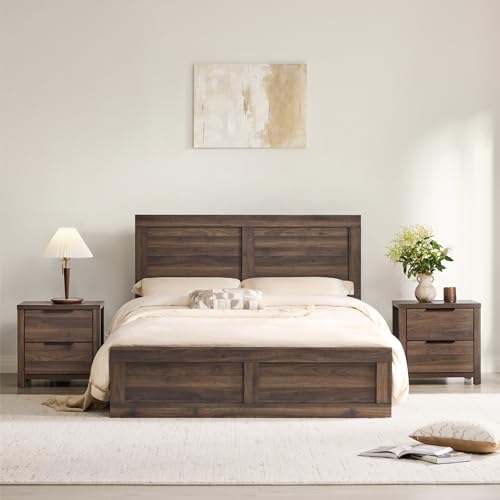
Frame construction determines how stable your mattress feels and how long the piece remains quiet. A double bedstead with a reinforced center rail handles daily use far better than a basic slat-only design. For a more traditional look, a dark wood bedstead combines visual weight with sturdy timber construction.
If you are furnishing a dorm or a small rental, dorm room beds and dorm room bunk beds prioritize compact footprints and easy assembly over long-term durability, which is the correct trade-off for the use case.
Convertible and Space-Saving Beds
Convertible designs pack multiple functions into one footprint, but their mechanisms vary widely by tier. A day bed with trundle in the mid-range typically uses smoother glides than an entry-level equivalent. If you need flexible sleeping arrangements for guests, daybeds with trundle and extendable day beds are worth comparing side by side.
For very compact rooms, custom made bunk beds for small rooms and double loft beds for small rooms show how vertical space can replace floor space. Our article on custom made bunk beds for adults explains weight ratings and frame reinforcement in more detail.
Bedside Tables and Complementary Furniture
Bedside tables are often the first piece to reveal hardware quality. A Danish modern bedside table in the mid-range should have smooth-gliding drawers and stable legs. If you prefer a distressed finish, the distressed white bedside table and distressed wood bedside table guides explain how finish treatments affect durability.
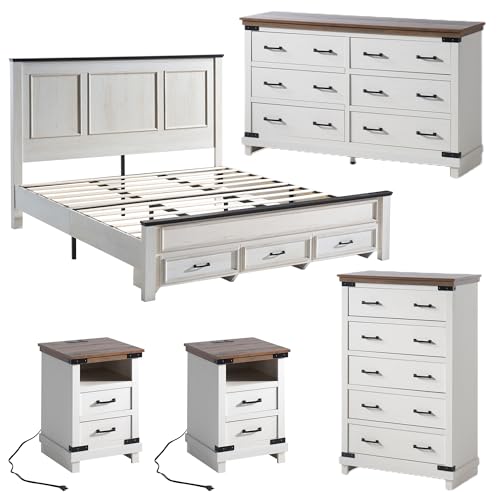
Matching sets simplify the shopping process. A dresser and bedside table set or a dresser bedside table set usually ensures consistent hardware and finish across the room, which reduces the risk of mismatched quality tiers.
Specialty Sleep Products
Beyond frames and furniture, certain sleep products follow their own tier logic. Discount air beds are best evaluated on puncture resistance and pump reliability rather than aesthetics. Discount futon beds should be judged on frame gauge and mattress density. And discount murphy beds hinge entirely on the quality of the lifting mechanism — a component where mid-range models clearly outperform entry-level ones.
For adjustable sleep systems, electric beds and electric adjustable queen size beds vary in motor smoothness and frame rigidity across tiers. If you share a bed with different firmness preferences, dual mattress adjustable beds address that directly.
Room-by-Room Considerations
Primary bedroom: Prioritize the mid-range tier or above. This room receives the most nightly use, so frame stability and drawer hardware quality justify the step up. A durable bunk bed for adults is only relevant here if you are accommodating family members in the same room.
Guest room: An entry-level or essential tier frame is often sufficient. A day bed for office can serve double duty as seating and occasional sleeping space, making it a practical choice for multipurpose rooms.
Kids' room: Safety and stability matter more than finish refinement. DIY bunk beds are an option for confident builders, but pre-built cute beds in the mid-range typically offer more predictable safety compliance.
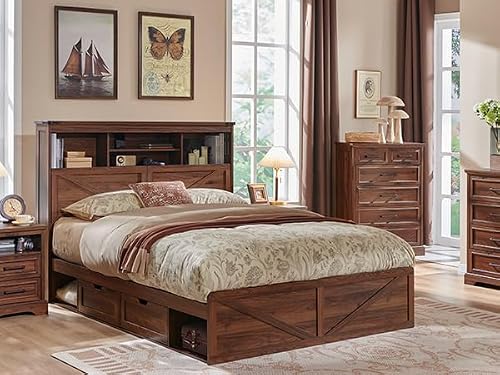
Small apartment: Focus on multifunction pieces. A day bed with storage or daybeds with storage can replace both a bed and a storage unit, which is often the more efficient path than buying two separate entry-level pieces.
Common Buying Mistakes to Avoid
- Buying by appearance alone: Two frames can look identical while differing significantly in joinery and hardware. Ask about construction, not just finish.
- Ignoring the mattress pairing: A firm, well-supported frame performs best with a mattress that matches its slat spacing. Our dual firmness mattresses guide explains how firmness and support interact.
- Overlooking assembly requirements: Some entry-level pieces require extensive assembly and benefit from reinforcement. Guides like DIY queen over queen bunk beds illustrate where structural reinforcement matters.
- Assuming all convertible beds are equal: Trundle and pop-up mechanisms vary widely. Compare day beds with pop up trundle against standard trundle designs before deciding.
- Neglecting textile quality: Bedding and upholstery also follow tiers. Down bedspreads and Egyptian cotton bedspreads differ in fill quality, weave density, and longevity.
Frequently Asked Questions
How do I know if a bed frame is genuinely well-built?
Look at the joinery, the slat thickness, and the presence of a center support rail. Mid-range and premium frames typically use reinforced corner blocks and metal-to-metal connections rather than relying on staples or glue alone. Weight is also a useful indicator: heavier frames generally use denser materials.
Are entry-level beds suitable for daily use?
They can be, provided expectations are realistic. Entry-level frames are designed for basic function and lighter use. For a primary bedroom used nightly, a mid-range frame is usually the more dependable long-term choice because the hardware and joinery are built to handle repeated stress.
What should I check first when comparing furniture tiers?
Start with the components you cannot easily replace: frame joinery, drawer glides, and slat systems. These determine how the piece performs over time. Finishes and styling are easier to evaluate visually, but they matter less for durability than the underlying construction.
Do convertible beds compromise on comfort?
Not necessarily, but the mechanism quality matters. A mid-range daybed with a trundle can be just as comfortable as a standard frame, provided the mattress support is adequate. Entry-level convertible designs sometimes use thinner slats, so check the support structure before committing.
How does bedroom size affect the tier I should choose?
Smaller rooms benefit from multifunction pieces, which often sit in the mid-range tier because the mechanisms add complexity. A daybed with drawers underneath or a day bed for adults with trundle can replace multiple pieces, which often makes the overall setup more efficient.
Ready to Choose the Right Tier for Your Room?
Use the framework above to match construction quality to your actual use case. Then explore our recommended products below to see which options fit your tier and your space.
View Recommended Options