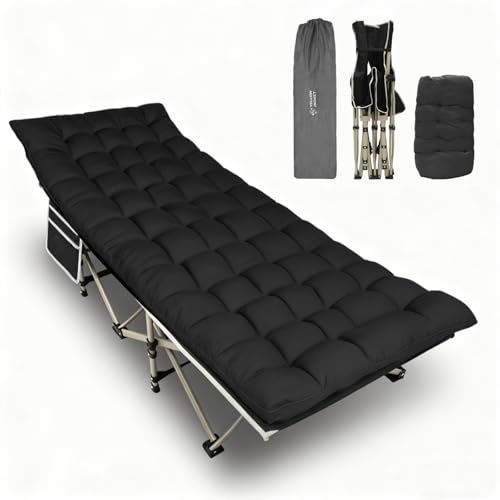
Foldable Beds for Camping: Your Complete Buyer's Guide
Sleeping on the ground doesn't have to wreck your back. Discover how to choose a foldable camping bed that balances portability, comfort, and durability for your next outdoor adventure.
Explore Top PicksWhy trust this guide? Whether you are a weekend car camper, a seasoned backpacker, or a family heading to a festival, the right foldable bed transforms your nights outdoors. This guide breaks down frame materials, weight capacity, packed size, and comfort features so you can make a confident decision.
What Is a Foldable Bed for Camping?
A foldable bed for camping is a portable sleeping platform that folds down for transport and sets up quickly at your campsite. Unlike a simple sleeping pad, these beds lift you off the ground, providing insulation from cold soil, protection from dampness, and a flat, supportive surface that reduces pressure on your back and hips.
Modern foldable camping beds come in several designs. The most common is the folding cot, which uses an X-frame or parallelogram frame with a taut fabric sleeping surface. Other styles include low-profile platform beds that pack flat and cot-to-chair hybrids that offer versatile use around the campsite.
These beds are popular because they solve a fundamental problem: the ground is hard, cold, and uneven. A quality camping bed gives you a consistent surface night after night, which matters whether you are sleeping in a tent, under a tarp, or in the back of a van.
Types of Foldable Camping Beds
Folding Cots with X-Frame Design
The classic camping cot uses an X-shaped frame that locks into place when opened. These are the most widely available type and strike a balance between portability and comfort. Entry-level models often use lighter tubing and simpler fabric, while mid-range and premium options feature reinforced joints, thicker mattress pads, and more stable locking mechanisms. If you are also considering beds for guest use at home, you might find our guide to guest beds for small spaces useful for comparison.
Low-Profile Platform Camping Beds
These beds sit closer to the ground and often use a more rigid frame with a flat sleeping surface. They tend to be more stable than traditional cots but can be heavier. Low-profile designs work well for car camping where packed size is less critical than comfort. For those who appreciate minimalist design, our article on low-profile platform beds explores this style in more depth.
Cot-to-Chair Convertible Beds
These versatile folding beds can switch between a flat sleeping surface and a reclined chair position. They are ideal for campers who want one piece of gear to serve multiple purposes. The trade-off is usually a slightly more complex setup and a higher weight compared to a dedicated cot. If versatility appeals to you, you may also enjoy our coverage of convertible couches for home use.
Ultralight Backpacking Cots
For backpackers, every ounce counts. Ultralight folding cots use aluminum frames and thin, high-tenacity fabric to keep weight to a minimum. These models prioritize portability over plush comfort, but they still provide a reliable barrier between you and the ground. They pack down small enough to strap to the outside of a pack. If you are outfitting a small space at home too, twin beds for small rooms covers related space-saving ideas.
Key Features to Compare
| Feature | What to Look For | Why It Matters |
|---|---|---|
| Frame Material | Aluminum for lighter weight; steel for heavy-duty strength | Affects portability and durability |
| Weight Capacity | Entry-level: ~250 lbs; Mid-range: 300–350 lbs; Heavy-duty: 400+ lbs | Ensures safety and stability for your body type |
| Packed Size | Folds into a carry bag; consider length when packed | Critical for transport and storage |
| Sleeping Surface | Cot fabric, padded mattress, or air mattress integration | Determines comfort and warmth |
| Setup Time | Tool-free locking mechanisms; simple unfold design | Matters after a long day on the trail |
| Height Off Ground | Low profile vs. standard cot height | Affects warmth, ease of getting in and out |
How to Choose the Right Foldable Camping Bed
Match the Bed to Your Camping Style
Car campers and family campers can prioritize comfort and weight capacity, since gear is transported by vehicle. Backpackers and hikers need to focus on packed weight and size above all else. Festival-goers often want a quick-setup model that is easy to carry from the parking lot to the campsite. Think honestly about how you camp most often, and let that guide your choice.
Consider Your Body Type and Sleeping Position
Side sleepers benefit from a bed with a slightly wider surface and a padded top layer. Back sleepers generally do well on a flat, firm cot. Stomach sleepers need a surface that won't sag in the middle. Also check the length: a bed that is too short forces you into a curled position, which can lead to discomfort. If you are tall, look for models at least 80 inches long.
Check the Weight Limit Carefully
Every foldable camping bed has a stated weight limit. Choose a model that exceeds your body weight by a comfortable margin, especially if you tend to move around during sleep. Heavy-duty models with reinforced steel frames are a smart choice for larger adults or for anyone who wants extra peace of mind. Our article on heavy-duty furniture discusses similar durability considerations for home use.
Think About Insulation and Warmth
Air circulates under a raised cot, which can make you cold at night. A cot with a lower profile stays warmer, but any raised bed benefits from an insulating pad underneath your sleeping bag. Some camping beds include integrated mattress pads that add both comfort and warmth. If cold-weather camping is part of your plan, prioritize models with a thicker top layer or plan to add a foam pad.
Evaluate Setup and Portability
The best camping bed is one you can set up without frustration. Look for tool-free designs with clear locking mechanisms. Practice setting up the bed at home before your trip. Check the packed dimensions against your vehicle's cargo space or your backpack's capacity. A bed that is comfortable but impossible to transport is not the right choice for your trip.
Tier-Based Recommendations
Starter Folding Cots
Entry-level foldable camping beds are a solid choice for occasional campers, kids, or anyone testing the waters. They typically use lighter frames and simpler fabric but still provide a reliable off-ground sleeping surface. These models are efficient in the long run for light use and offer a straightforward introduction to camping comfort. If you are outfitting a child's sleeping space at home too, children's bunk beds covers related options.
Balanced Comfort and Durability
Mid-range foldable camping beds offer a noticeable step up in comfort and build quality. You will find sturdier locking mechanisms, thicker mattress pads, and more consistent weight capacities. These models are well-specified for the category and represent a solid choice for regular campers who want dependable performance without moving into the top tier. If you appreciate well-made furniture at home, our guide to bunk beds with solid wood construction reflects a similar focus on build quality.
High-End Camping Beds
Premium foldable camping beds are designed for serious campers who demand the best. These models often feature high-grade aluminum or reinforced steel frames, plush integrated mattresses, and thoughtful details like adjustable firmness or cot-to-chair conversion. They are a long-term investment for anyone who camps frequently and values a great night's sleep outdoors. For a similar premium approach to home sleep, explore our queen platform bed with headboard guide.
Care and Maintenance Tips
- Wipe down the frame after each trip to remove dirt and moisture.
- Store the bed fully dry to prevent mold and mildew on the fabric.
- Check locking mechanisms and joints for wear before each use.
- Keep the carry bag clean and use it for storage to protect the bed.
- Avoid exceeding the stated weight limit to preserve frame integrity.
- Lubricate metal joints occasionally if the bed becomes stiff to open.
- Inspect the fabric for tears and repair small holes promptly.
Frequently Asked Questions
What is the best type of foldable bed for camping?
The best type depends on your camping style. For backpacking, a lightweight cot with an aluminum frame is ideal. For car camping or family trips, a heavy-duty folding bed with a reinforced steel frame and a thicker mattress offers more comfort. Consider weight capacity, packed size, and setup time when choosing.
How much weight can a foldable camping bed support?
Weight capacity varies by model. Entry-level folding beds typically support around 250 pounds, while mid-range and premium models often support 300 to 400 pounds. Heavy-duty and commercial-grade options can support even more. Always check the manufacturer's stated weight limit before purchasing.
Are foldable beds comfortable for side sleepers?
Yes, many foldable camping beds are comfortable for side sleepers, especially those with a padded mattress topper or an integrated air mattress. Look for models with a flat, even sleeping surface and enough width to allow you to change positions without feeling restricted.
How do I choose the right size foldable bed for camping?
Consider your height and sleeping position. Most camping beds are around 75 inches long, which suits average-height adults. Taller campers should look for models at least 80 inches long. Width matters too: narrower cots are more portable, while wider beds offer more room to stretch out.
Ready to Upgrade Your Camping Sleep?
Browse our curated selection of foldable beds for camping and find the model that matches your adventure style.
View Recommended Products