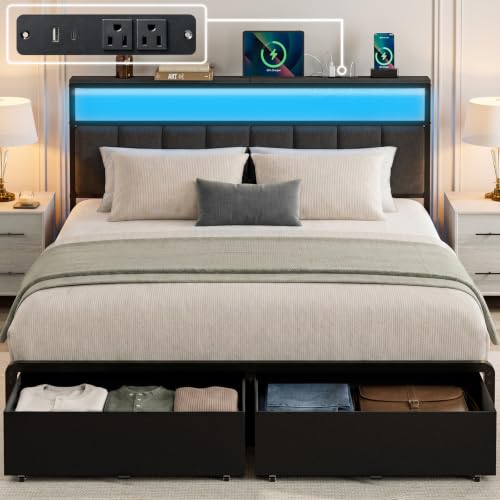
Queen Platform Bed with Headboard: The Complete Buyer's Guide
A queen platform bed with headboard combines a space-efficient footprint, built-in mattress support, and a finished look that anchors the entire bedroom. This guide breaks down everything you need to choose confidently.
What You'll Find in This Guide
Why Choose a Queen Platform Bed with Headboard
The queen size remains the most popular mattress dimension for couples and solo sleepers who want generous space without dominating the room. A platform design removes the need for a box spring, delivering a cleaner silhouette and a more direct connection between mattress and frame. When you add a headboard, the bed becomes a true focal point rather than just a functional surface.
For visitors researching before a purchase, the appeal usually comes down to three factors: visual completeness, structural simplicity, and long-term durability. A headboard provides a finished backdrop for pillows and bedding, while the platform base eliminates an extra layer that can squeak, sag, or shift over time. The result is a bed that looks intentional and performs reliably night after night.
If you are comparing broader bedroom furniture options, our guide to modern queen size beds covers adjacent styles that pair well with platform construction. Readers who prefer a lower visual profile may also appreciate the design notes in our low-profile platform beds overview.
Anatomy: Frame, Slats, and Headboard
Understanding the components helps you evaluate quality beyond surface appearance. A queen platform bed with headboard typically consists of four structural elements:
- Side rails and center rail: These carry the load and prevent flexing. A metal center rail with a support leg is a strong indicator of thoughtful engineering.
- Slat system: Wooden or metal slats distribute weight across the mattress. Closely spaced slats (typically 2 to 3 inches apart) provide better support for foam and hybrid mattresses.
- Headboard attachment: The connection point between headboard and frame is a common weak spot. Look for bolted brackets rather than friction-fit tabs.
- Legs and feet: Reinforced corner legs and protective floor glides protect both the frame and your flooring.
Solid wood construction, high-grade steel, and upholstered panels each bring different trade-offs. Our article on platform upholstered beds explores how fabric and padding affect comfort and maintenance, while modern platform beds highlights minimalist frame profiles that keep the headboard as the visual centerpiece.
Quick tip: Check whether the headboard is included or sold separately. Many listings describe a "platform bed frame" that requires an add-on headboard, which changes the total assembly and stability picture.
Headboard Styles and Materials
The headboard defines the character of the bed. Common options include:
- Upholstered headboards: Fabric or faux-leather panels with foam padding. They soften the room and provide a comfortable backrest for reading or watching television.
- Wooden headboards: Slatted, paneled, or solid designs in finishes ranging from natural oak to walnut. Durable and easy to maintain.
- Metal headboards: Often paired with steel frames for an industrial or traditional look. Lightweight and resistant to wear.
- Cane and rattan: Breathable and textural, well suited to coastal and bohemian interiors.
For a cohesive bedroom style, consider the surrounding palette. Our guide to traditional bedroom design explains how paneled wood headboards anchor classic schemes, while mid-century bed profiles show how tapered legs and low headboards create a retro feel. If you are weighing a headboard-only upgrade, see our dedicated page on headboards for queen beds.
Support Systems and Mattress Compatibility
Platform beds are engineered to support a mattress directly, which makes them compatible with memory foam, hybrid, latex, and innerspring models. The critical variable is slat spacing. Foam mattresses benefit from closer slats to prevent sagging through gaps, while innerspring mattresses are more forgiving. Always confirm the manufacturer's recommended slat spacing before pairing a mattress with a frame.
A queen platform bed with headboard also eliminates the motion transfer and noise that box springs can introduce. If you are upgrading from an older setup, our guide to modern queen size beds includes notes on mattress thickness and how it interacts with headboard height. For storage-focused alternatives, the queen platform beds with storage and headboard page covers lift-up and drawer configurations.
| Mattress Type | Recommended Slat Spacing | Best For |
|---|---|---|
| Memory foam | 2 inches or less | Side sleepers and pressure relief |
| Hybrid | 2 to 3 inches | Balanced support and bounce |
| Latex | 2 to 3 inches | Responsive, durable feel |
| Innerspring | 3 inches or less | Traditional support with airflow |
Sizing, Clearance, and Room Fit
A standard queen mattress measures 60 inches wide by 80 inches long. The frame and headboard add to the overall footprint, so measure your room carefully before ordering. Leave at least 24 inches of walking space on each accessible side of the bed, and account for nightstand depth if you plan to place tables on both sides.
Under-bed clearance is another practical consideration. Low-profile frames sit close to the floor for a streamlined look, while taller platforms create room for slim storage boxes. If you need furniture that maximizes floor space, our beds with storage drawers and beds with lift-up storage guides compare the trade-offs. For small rooms, twin beds for small rooms offers an alternative scale.
Quality Tiers and What They Mean
Rather than anchoring recommendations to transient figures, it helps to classify frames by construction tier. The descriptors below are used consistently throughout this guide:
| Tier | Typical Construction | Best For |
|---|---|---|
| Entry-level | Engineered wood slats, lighter rails, basic hardware | Guest rooms and light daily use |
| Mid-range | Solid wood or reinforced metal, center support leg, upholstered headboard options | Primary bedrooms and everyday use |
| Premium | Hardwood frame, closely spaced slats, bolted joinery, high-density foam padding | Long-term daily use and heavier sleepers |
| Luxury | Solid hardwood or commercial-grade steel, tailored upholstery, reinforced corner blocks | Design-focused rooms and maximum durability |
Mid-range models usually offer the strongest balance of structural integrity and design flexibility. Premium and luxury tiers justify their positioning through heavier materials, tighter tolerances, and more refined finishes. For readers comparing heavier-capacity options, our heavy-duty furniture overview explains what to look for in reinforced joinery.
Buying Checklist
Before finalizing a purchase, run through these checkpoints:
- Confirm headboard inclusion: Verify whether the headboard ships with the frame or is sold separately.
- Check weight capacity: Look for a stated rating that covers the mattress plus sleepers, especially for heavier users.
- Review slat spacing: Match it to your mattress type using the table above.
- Measure clearance: Confirm under-bed height if storage is a priority.
- Inspect hardware: Bolted brackets and metal center rails outperform friction-fit joints.
- Plan assembly: Check whether tools are included and whether two people are recommended.
If you are still exploring frame formats, our modern storage beds and modern storage beds with drawers pages compare integrated-storage designs against traditional platform construction.
Assembly and Care
Most queen platform beds with headboards assemble in under two hours with basic tools. Retighten all bolts after the first week of use, then check them seasonally. For upholstered headboards, vacuum fabric panels monthly and spot-clean with a mild detergent. Wooden frames benefit from a soft, dry cloth and occasional furniture polish to maintain the finish. Metal frames should be checked for loose fasteners and wiped with a damp cloth to prevent dust buildup.
Rotate or flip your mattress according to the manufacturer's schedule, and inspect the slats for cracks or shifting every few months. A well-maintained platform bed can serve as a long-term investment for the primary bedroom.
Frequently Asked Questions
Do I need a box spring for a queen platform bed with headboard?
No. Platform beds include a built-in slat system or solid base that supports the mattress directly. Adding a box spring is unnecessary and can make the bed too tall.
What mattress thickness works best with a platform bed?
Most platform beds suit mattresses between 8 and 14 inches thick. A thicker mattress may hide part of the headboard, while a very thin mattress can make the headboard feel disproportionately tall.
Is a queen platform bed with headboard suitable for heavy adults?
Yes, provided the frame is rated for the combined weight. Look for reinforced slats, metal center rails, and solid hardwood or high-grade steel construction for heavier users.
How much clearance should a platform bed have underneath?
Low-profile designs may offer minimal clearance, while standard platforms typically leave enough room for a dust ruffle or slim storage boxes. If under-bed storage matters to you, check clearance before buying.