Foldable Desk Buying Guide: Space-Saving Workstations for Small Rooms
Everything you need to know before choosing a foldable desk — types, materials, mounting methods, and practical considerations for compact home offices, apartments, dorms, and multi-use rooms.
Why a foldable desk makes sense: In apartments, dormitories, studios, and spare bedrooms, floor space is a shared resource. A foldable desk lets you create a dedicated workspace in minutes and then reclaim that footprint for living, sleeping, or entertaining. This guide walks you through the formats, build considerations, and setup details so you can choose a model that fits your room, your routine, and your gear.
What Is a Foldable Desk?
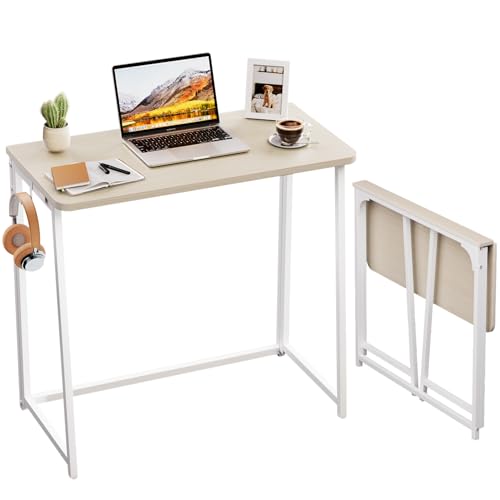
A foldable desk is a workstation engineered to collapse, fold flat, or retract against a wall when it is not in use. Unlike a standard desk that occupies a fixed footprint, a foldable design lets the same square footage serve as a workspace during the day and open floor space in the evening. The category spans several distinct formats, each with its own installation requirements and trade-offs.
Foldable desks are closely related to other space-saving furniture solutions. If you are furnishing a compact bedroom, you may also want to compare options like fold-out beds for small spaces or folding beds for small spaces to build a coherent multi-use room. For mixed living and working areas, folding sofa beds for small spaces pair naturally with a wall-mounted desk. And if you are considering a bed that tucks away in a similar manner, fold-down beds for enclosed trailers and fold-out beds follow the same design philosophy of stow-and-reclaim.
The Main Types of Foldable Desks
Foldable desks fall into a handful of recognizable formats. Each targets a different room layout and usage pattern, so the right choice depends on how often you work and how much clear floor space you want to preserve.
Wall-Mounted Drop-Leaf Desk
The desktop is hinged to the wall and folds down when needed. This format frees the floor entirely when stowed. Mid-range and premium units often include a folding brace or leg for support. Installation into wall studs is essential for stability, and a reinforced hinge is the key component to evaluate.
Folding Leg Table Desk
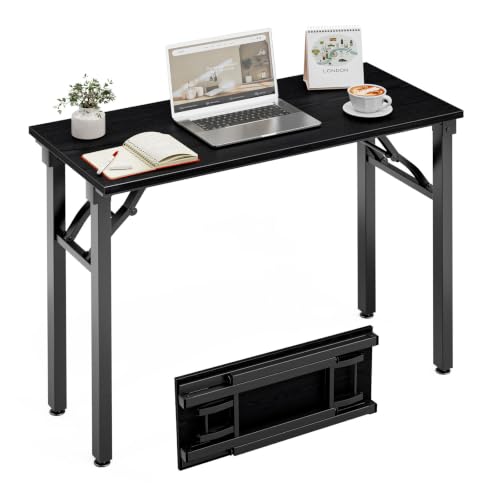
A portable option with legs that collapse flat against the underside of the top. These are the most flexible format because they can move between rooms, double as a dining or hobby surface, and require no permanent installation. Entry-level units are lighter duty, while heavy-duty folding tables handle a full monitor setup.
Rolling Folding Desk
Combines folding or collapsible legs with lockable casters, so the desk rolls out of the way and stows against a wall or inside a closet. This is a strong choice for renters who cannot drill into walls. Look for locking wheels and a frame with cross-bracing for lateral stability.
Cabinet & Secretary Foldable Desk
A closed cabinet with a drop-down front that becomes the desktop. These designs provide enclosed storage for a laptop, cables, and supplies, keeping the room visually calm. The high-end tier often uses solid wood or engineered wood with quality hinges and integrated cable management.
Floating & Wall-Shelf Desk
A slim shelf-style surface that folds or lifts against the wall. These are minimal and visually light, ideal for a laptop and notebook, but they offer limited depth for large monitors. They pair well with dedicated floating bedside shelf storage to keep the room coordinated.
Foldable Corner & Compact Units
Designed to tuck into a corner or narrow alcove, these units often combine a folding top with vertical shelving. They are well suited to dorm rooms and studio apartments where every centimeter counts. Verify that the folded profile clears baseboards and trim.
Comparison by Tier and Category
The table below summarizes how each format typically positions in the market and what it is best suited for. Use the tier descriptors to understand relative positioning rather than absolute figures.
| Format | Market Tier | Best For | Key Consideration |
|---|---|---|---|
| Wall-Mounted Drop-Leaf | Entry-level to mid-range | Bedrooms, hallways, tight alcoves | Must anchor into studs; check hinge quality |
| Folding Leg Table | Entry-level to heavy-duty | Renters, multi-room use, occasional work | Lighter duty unless specified as heavy-duty |
| Rolling Folding Desk | Mid-tier to premium | Home offices, shared rooms, apartments | Locking casters and frame bracing |
| Cabinet / Secretary | Premium to luxury | Living rooms, guest rooms, tidy setups | Hinge durability and cable management |
| Floating Shelf Desk | Essential to mid-tier | Minimalist setups, laptop work | Limited depth; wall strength matters |
| Compact Corner Unit | Starter to mid-range | Dorms, studios, narrow rooms | Folded profile and clearance |
Materials and Build Quality
The top surface and hinge mechanism determine how a foldable desk feels in daily use. Engineered wood with a laminate finish is common in entry-level and mid-range models and is easy to wipe clean. Solid wood and bamboo appear more often in premium tiers and offer a warmer appearance with better resistance to edge wear. Metal frames with powder-coated finishes provide rust-proof protection and are common in heavy-duty and commercial-grade rolling desks.
Pay close attention to the folding hardware. A reinforced hinge and a positive locking brace are what separate a stable workspace from a wobbly surface. Mid-range models usually improve on entry-level units with thicker tops, better brackets, and smoother folding action. For a coordinated room, pair your desk choice with a fabric bedstead or a farmhouse bedside tables set of 2 that matches the finish and visual weight of the desk.
Foldable Desk Buying Checklist
Before you commit to a model, run through these practical checkpoints. They address the issues buyers most often overlook.
- Measure the folded footprint: Confirm the stowed profile clears doors, radiators, and walkways.
- Check desktop depth: Allow at least 50 to 60 centimeters for a laptop plus monitor or notebook.
- Verify the load rating: Match the rated capacity to your equipment, including monitor arms and speakers.
- Identify the wall type: Drywall, masonry, and plaster require different anchors; stud mounting is preferred.
- Inspect the hinge and brace: A locking brace prevents accidental collapse during use.
- Plan cable routing: Integrated grommets or clips keep the folded position tidy.
- Consider chair clearance: The chair and your knees need room under the open desktop.
- Confirm assembly requirements: Some models ship partly assembled; others need full installation.
- Check the finish: A weather-resistant coating helps in humid rooms and near windows.
- Think about portability: Rolling and folding-leg models move easily between rooms.
Setup and Safety Considerations
Wall-mounted and floating desks depend entirely on their mounting. Anchor into wall studs wherever possible, and use hardware rated for the load you intend to place on the desk. If you rent and cannot drill, choose a rolling folding desk or a folding-leg table instead. Keep the folding path clear so the desk can open and close without obstruction, and test the locking mechanism each time you set it up.
For rooms that double as a bedroom, position the desk so it does not block the bed or a closet door when open. If you are outfitting a guest room or a small apartment, browse related space-saving solutions such as folding beds and foldable sofa beds to keep the room flexible. For outdoor or travel use, foldable beds for camping and a family camping guide cover portable setups in more detail.
Which Foldable Desk Suits Your Situation?
Renters and students generally benefit most from folding-leg tables and rolling folding desks, since neither requires permanent wall modification. Homeowners with a dedicated alcove can install a wall-mounted drop-leaf desk for a permanent but retractable workspace. Living rooms and guest rooms favor cabinet and secretary desks because they hide the workspace entirely when closed. Minimalist bedrooms do well with floating shelf desks that keep the visual footprint light, especially when paired with a floating bedside table or a floating wall-mounted bedside table for a consistent look.
If you are furnishing a full bedroom around the desk, coordinate with fancy beds, full double beds, or full platform beds with headboard to keep proportions balanced. Buyers exploring adjustable sleep systems can also review frames for split king adjustable beds and footboards for adjustable beds.
Frequently Asked Questions
What is a foldable desk?
A foldable desk is a workstation designed to collapse, fold flat, or retract against a wall so the floor area can be reclaimed when the desk is not in use. Common formats include wall-mounted drop-leaf desks, rolling folding tables, and hinged cabinet desks.
How much weight can a wall-mounted foldable desk hold?
Capacity depends on the mounting hardware and wall construction. Entry-level models typically support a laptop and monitor, while premium and commercial-grade units with heavy-duty steel brackets anchored into wall studs can support a full desktop setup. Always verify the rated load and install into studs or approved anchors.
Are foldable desks suitable for daily full-time work?
Yes, provided you choose a model with a stable hinge mechanism, a reinforced top, and sufficient depth for a monitor and keyboard. Mid-range and premium foldable desks with solid build quality are designed for daily use, whereas entry-level models are better suited to occasional or light-duty tasks.
How do I choose the right size foldable desk?
Measure the available wall or floor footprint, then allow clearance for a chair and knee space. A depth of at least 50 to 60 centimeters is generally comfortable for a laptop and monitor. Confirm the folded profile clears doors, radiators, and furniture when stowed.
Final Takeaway
A foldable desk is a practical investment for anyone who needs a workspace without permanently dedicating floor space to it. Focus on the hinge and brace quality, confirm the folded footprint fits your room, and match the format to your wall type and usage frequency. Choose a mid-range or premium model if you work daily, and a folding-leg or rolling design if you rent or need flexibility. With the right choice, your workspace can appear when you need it and disappear when you do not.