
Futon Beds from Japan: A Complete Buyer's Guide
Everything you need to know about authentic Japanese futons — shikibuton, kakebuton, tatami pairing, firmness tiers, and daily care — before you choose your floor-sleeping setup.
On This Page
What Is a Japanese Futon Bed?
A futon bed from Japan is a traditional floor-sleeping system built around two core pieces: a shikibuton (a foldable, padded mattress) and a kakebuton (a quilted comforter). Unlike Western convertible sofas that borrow the name, the Japanese futon is designed to be laid directly on a tatami mat floor during the night and folded or aired out each morning. This daily ritual is central to Japanese sleep culture and is closely tied to the concept of washitsu — a traditional room that adapts between daytime living and nighttime rest.
Because the futon sits close to the floor, it distributes body weight across a wider surface and relies on firm, even support rather than deep contouring. The result is a sleep surface that many people describe as supportive, breathable, and surprisingly restorative — particularly for sleepers who prefer a firm feel.
Shikibuton, Kakebuton, and Tatami Explained
The Shikibuton (Mattress)
The shikibuton is the mattress layer. Traditional versions use layered cotton batting, while modern interpretations may include wool, latex, or high-density foam cores. Thickness generally ranges from a thin essential-tier roll to a substantial premium-tier model. A mid-range shikibuton is a good starting point for most first-time buyers because it balances portability with meaningful support.
The Kakebuton (Quilt)
The kakebuton is a lightweight, quilted comforter that provides warmth without heavy compression. Many sets pair the shikibuton with a matching kakebuton and a fitted shikifu (mattress cover). If you already own bedding, you can often purchase the shikibuton alone and pair it with existing quilts.
Tatami as the Foundation
Tatami mats are the ideal base because they offer firm, breathable, and slightly yielding support. If you do not have tatami, a low-profile platform bed without a headboard or a firm carpet over a hard floor can serve as a reasonable alternative. Avoid placing a futon directly on soft carpet, as trapped moisture can shorten its lifespan.
If you are still deciding between floor sleeping and a raised setup, our guide to platform beds without headboards is a useful comparison point.
Why Sleepers Choose Japanese Futons
- Firm, even support: The flat surface encourages neutral spinal alignment, which many back and stomach sleepers appreciate.
- Space efficiency: Folding the futon away each morning frees the room for daytime use — ideal for small apartments and studios.
- Breathability: Cotton and wool layers allow airflow, which can help hot sleepers stay comfortable.
- Long-term investment: A well-made premium-tier shikibuton, cared for properly, can serve for many years.
- Minimalist aesthetic: The low profile pairs naturally with country-style bedside tables and low-slung furniture.
If you sleep in a compact room, you may also find our roundup of small bunk beds helpful for comparing space-saving sleep options.
Quality Tiers: Entry-Level to Luxury
Japanese futons are best understood through universal quality tiers rather than specific figures. The table below uses consistent tier descriptors so you can compare models confidently.
| Tier | Typical Construction | Best For | Durability |
|---|---|---|---|
| Essential tier | Thin cotton batting, basic cover | Trial use, guest bedding, minimal floor sleeping | Short to moderate |
| Mid-range | Layered cotton or cotton-wool blend, reinforced stitching | Daily sleepers wanting a balanced feel | Moderate |
| Premium | High-grade cotton, wool, or latex core, dense quilting | Long-term daily use, back support seekers | Long |
| Luxury | Handcrafted layered natural fibers, bespoke sizing | Dedicated floor sleepers, traditional washitsu setups | Very long with care |
For sleepers who need a different format altogether, our guides to futon beds twin and twin size storage beds cover related space-conscious options.
Comparison: Japanese Futon vs. Western Mattress
| Feature | Japanese Futon | Western Mattress |
|---|---|---|
| Feel | Firm, even, close to floor | Contoured, varied firmness |
| Space use | Foldable, frees room by day | Permanent footprint |
| Airflow | High, especially on tatami | Moderate, depends on base |
| Maintenance | Daily airing, periodic sun-drying | Occasional rotation, deep cleaning |
| Lifespan | Long with consistent care | Long, varies by type |
Some sleepers combine approaches — a firm futon for summer and a conventional setup for winter. If you rotate between formats, a queen size bed guide can help you plan the room layout.
How to Choose the Right Japanese Futon
- Confirm your sleep position. Back and stomach sleepers typically thrive on firm futons, while side sleepers may want a premium-tier model with slightly more give at the shoulder and hip.
- Measure your floor area. Futons are sized close to Western mattress dimensions but run slightly shorter. Check both the futon dimensions and your room's usable floor space.
- Decide on a set or separate pieces. Complete sets include shikibuton, kakebuton, and cover; buying separately lets you match an existing quilt.
- Plan the foundation. Tatami is ideal. A hard floor with a firm rug is acceptable. Avoid soft carpet.
- Commit to the ritual. Daily folding and weekly airing are part of ownership. If that routine does not suit you, a conventional mattress may be a better match.
Related reading: our guide to California king size beds for sleepers comparing floor and raised formats, and daybeds with storage for dual-purpose rooms.
Care and Maintenance for Japanese Futons
- Air daily: Fold or hang the shikibuton near a window each morning to release body moisture.
- Sun-dry weekly: Sunlight refreshes the cotton and helps control odor. Avoid prolonged direct exposure to prevent fiber breakdown.
- Rotate and flip: Alternate ends and sides monthly to distribute wear evenly.
- Vacuum the tatami: Use a soft brush attachment to remove dust from the mat surface.
- Use a cover: A washable shikifu protects the shikibuton from oils and spills.
- Store dry: Never store a damp futon; allow full airflow before folding into a closet.
Frequently Asked Questions
What is a futon bed from Japan?
A traditional Japanese futon is a floor-sleeping system made of a shikibuton mattress and a kakebuton quilt, designed for tatami placement and daily folding.
Is a Japanese futon good for back pain?
Many sleepers find the firm, even surface supportive. Those with chronic conditions should consult a medical professional and consider a premium-tier model with denser fill.
How thick should a Japanese futon be?
Entry-level futons are thin and portable, while mid-range and premium models add layered fill for more cushioning. Choose based on your sleep position and foundation.
Can I use a Japanese futon on a regular floor?
Yes, on a hard floor with a firm rug. Avoid soft carpet, which traps moisture and reduces support.
How often should I air out my futon?
Daily airing is ideal, with a weekly sun-drying session. Rotate and flip monthly for even wear.
Ready to Explore Japanese Futons?
Browse our curated selection of futon beds from Japan and compare tiers, sizes, and constructions side by side.
Recommended Futon Beds from Japan
⚠️ AFFILIATE DISCLOSURE: This website contains affiliate links. As an Amazon Associate, we earn from qualifying purchases. If you make a purchase through these links, we may receive a small commission at no additional cost to you. Read our full affiliate policy.

MORIRIN Japanese Floor Futon Mattress, Made in Japan, Twin | Shikibuton, Body Pressure Dispersion
Check price on Amazon
MORIRIN Japanese Floor Futon Mattress, Made in Japan, Twin XL | Shikibuton, Body Pressure Dispersion
Check price on Amazon
Aircliff Japanese Futon Mattress, Foldable Shikibuton, 2.5" Floor Bed, Twin | 5-Layer High-Density Foam, CertiPUR-US & OEKO-TEX Certified, Tri-Fold Portable, for Guest Room, Tatami & Camping
Check price on Amazon
MIINA Japanese Futon Mattress, Made in Japan Twin (39"×78") White, Foldable Floor Lounger Bed Tatami Mat, Roll Up Sleeping Pad, Shikibuton
Check price on Amazon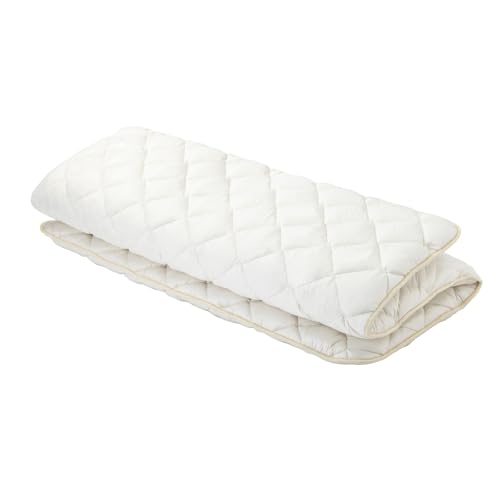
MORIRIN Japanese Floor Futon Mattress, Made in Japan, Queen | Shikibuton, Body Pressure Dispersion
Check price on Amazon
MORIRIN Japanese Floor Futon Mattress, Made in Japan, Full | Shikibuton, Body Pressure Dispersion
Check price on Amazon
D&D Futon Furniture Full Size Black Traditional Japanese Floor Futon Mattresses 80 x 54 x 3, Foldable Cotton Cushion Mats, Yoga, Meditation
Check price on AmazonDisclaimer
The information provided on SleepWisePicks is for educational and informational purposes only. We are not medical professionals, and our content should not replace professional medical advice, diagnosis, or treatment. Always consult with your physician or sleep specialist regarding sleep disorders or chronic pain. Some content may use AI assistance. Always check product safety standards and certifications before purchasing. If you do not agree, please do not use this website. Read the full disclaimer.