King Beds with High Headboards: The Ultimate Buying Guide
Elevate your bedroom with a statement king bed featuring a tall headboard. Learn about styles, heights, materials, and practical considerations before you decide.
Explore the GuideA king bed is already the centerpiece of a master bedroom. Add a high headboard and it becomes a true focal point — a piece of furniture that combines comfort, drama, and architectural presence. But choosing the right king bed with a high headboard involves more than picking a striking design. You need to consider headboard height relative to your mattress, ceiling height, bedroom layout, upholstery maintenance, and even compatibility with adjustable bases.
This guide walks you through every factor that matters. Whether you are upgrading an existing king bed with a taller king headboard, or shopping for a complete new frame, the information below will help you make a confident, well-informed decision. If you are still comparing bed sizes, you may also want to review our broader collection of king size beds and king beds for sale before finalizing your choice.
Quick Insight: A high headboard typically measures 50–70 inches from the floor. The ideal proportion is a headboard that rises 10–15 inches above the mattress surface — tall enough to make a statement, but not so tall that it overwhelms the room.
What Counts as a High Headboard?
Headboard heights vary widely. Standard headboards usually sit between 36 and 48 inches from the floor, while high headboards start at roughly 50 inches and can extend up to 70 inches or more. For a king bed, the visual impact of a tall headboard is amplified because the mattress itself spans 76 inches wide. A high headboard creates verticality that balances the width of a king-sized sleeping surface.
High headboards serve both aesthetic and practical purposes. Beyond the design statement, a taller headboard provides better back support when you sit up to read or watch television in bed. It also creates a natural backdrop for pillows and bedding, making the bed look more polished. If you are also refreshing your bedding, explore our selection of king headboards and footboards for adjustable beds to find coordinating options.
Popular Styles of King Beds with High Headboards
Upholstered High Headboards
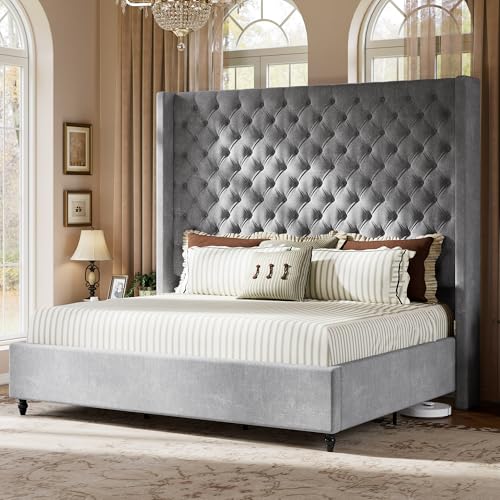
Upholstered headboards in linen, velvet, or leather are the most popular choice for high headboard king beds. They offer a soft surface for leaning back, absorb sound in the bedroom, and come in a wide range of colors. Velvet adds a luxurious, hotel-like feel, while linen provides a relaxed, breathable look that suits coastal and modern farmhouse interiors.
Wooden High Headboards
Solid wood headboards bring warmth and durability. Designs range from simple plank panels to ornate carved silhouettes. Oak, walnut, and reclaimed pine are common materials. A wooden high headboard pairs naturally with rustic, traditional, and industrial bedroom styles. Look for reinforced joinery if you want a long-term investment.
Metal High Headboards
Metal headboards — especially wrought iron and tubular steel — are a strong choice for traditional, vintage, and industrial bedrooms. They are typically more durable than upholstered options and easier to clean. A tall metal headboard with vertical spindles or geometric patterns creates a striking architectural line behind the bed.
Wingback and Canopy-Inspired Designs
Wingback headboards extend forward on the sides, creating a cozy, enclosed feeling. Canopy-inspired high headboards use posts and top rails to frame the bed dramatically. These styles work best in bedrooms with generous ceiling height and enough floor space around the bed to avoid a cramped feeling.
Choosing the Right Height and Proportion
Height is the single most important specification when shopping for a king bed with a high headboard. Too short and it loses its impact; too tall and it can dominate the room. The table below provides general guidance based on common bedroom setups.
| Headboard Height (from floor) | Category | Best For | Considerations |
|---|---|---|---|
| 36–48 inches | Standard | Smaller bedrooms, low ceilings | Minimal visual impact; limited back support |
| 50–58 inches | Mid-height (high) | Most master bedrooms | Balanced proportion; good support for sitting up |
| 60–68 inches | Tall | Rooms with 9+ foot ceilings | Strong focal point; verify wall space above mattress |
| 70+ inches | Statement / luxury | Large bedrooms, dramatic interiors | Requires generous ceiling height and clearance |
As a rule of thumb, the top of the headboard should sit at least 10–15 inches above the mattress. If your mattress is particularly thick — common with pillow-top and hybrid models — measure from the floor to the top of the mattress before choosing a headboard. Also account for any mattress topper you plan to add.
Materials and Upholstery: What to Know
The material of a high headboard affects comfort, maintenance, and longevity. Here is a breakdown of the most common options:
- Linen and cotton blends: Breathable, easy to clean, and suited to relaxed and modern styles. They may show wrinkles over time, which many people consider part of the charm.
- Velvet: Soft and luxurious, ideal for a hotel-inspired bedroom. Velvet requires regular brushing and gentle cleaning to maintain its appearance.
- Leather and faux leather: Durable and easy to wipe clean. Genuine leather develops a patina over time; faux leather is a practical alternative in humid climates.
- Solid wood: Long-lasting and available in many finishes. Wood headboards do not offer the same cushioning as upholstered designs, but they are easy to dust and maintain.
- Metal: Extremely durable and often the most low-maintenance option. Metal headboards may feel colder to the touch and benefit from a decorative pillow for back support.
If you plan to pair your high headboard with new bedding, consider how the headboard color and texture will interact with your king bedspreads and comforters and king size bedspread sets. A tall headboard gives you more visual space to play with layered textiles.
High Headboards and Adjustable Beds
If you sleep on an adjustable base, headboard compatibility becomes critical. Many high headboards are attached to the bed frame, which can interfere with the articulation of an adjustable base. The safest options are headboards mounted independently to the wall or frames explicitly designed for adjustable beds. Review our guides on king adjustable beds with mattress and king size headboards for adjustable beds for compatible pairings.
When in doubt, measure the clearance between the back of your adjustable base and the wall. You need enough space for the head of the bed to rise without pushing the mattress into the headboard. A wall-mounted high headboard solves this problem entirely and often looks more seamless.
Bedroom Layout and Design Considerations
Ceiling Height
A high headboard looks best when there is visual breathing room above it. In rooms with 8-foot ceilings, a headboard up to roughly 58 inches works well. In rooms with 9-foot ceilings or higher, you can comfortably go taller. If your ceiling is low, choose a mid-height headboard rather than an extremely tall one.
Wall Space and Windows
High headboards can partially cover windows or wall features. Plan the bed position before purchasing. If the bed sits in front of a window, a lower headboard may be more practical. Alternatively, place the bed against a solid wall and use the high headboard as a dramatic backdrop.
Bedside Furniture
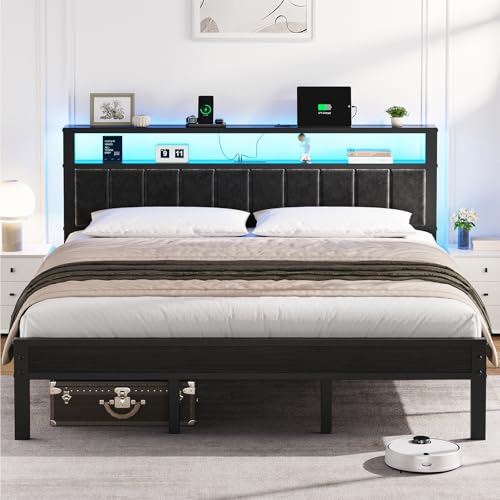
A tall headboard changes the visual weight of the bed. Balance it with proportionate nightstands and lighting. Explore large bedside tables with drawers for a substantial look, or industrial style bedside cabinets for a more rugged pairing.
Room Size and Flow
A king bed with a high headboard needs adequate clearance on both sides. Leave at least 24 inches between the bed and walls or furniture for comfortable movement. In smaller rooms, a high headboard can still work if the rest of the room is kept minimal.
Buying Checklist for King Beds with High Headboards
Before you finalize your choice, run through this checklist to avoid common mistakes:
- Measure your ceiling height and the wall space behind the bed.
- Measure the height of your mattress (and any topper) from the floor.
- Confirm the headboard height you want relative to the mattress top (10–15 inches above is ideal).
- Check whether the bed frame supports an adjustable base if you use one.
- Verify the material and upholstery care requirements.
- Ensure the frame dimensions fit your room layout and doorways.
- Review assembly requirements and whether tools are included.
- Confirm the return policy and warranty terms.
If you are comparing multiple king bed options, our overview of king beds with tall headboards and king size beds with frame can help you narrow down the right configuration. For storage-focused alternatives, see king size beds with storage and mattress.
Ready to Compare High Headboard King Beds?
Browse our curated selection of king beds with high headboards and find the right match for your bedroom style and sleep needs.
View Recommended Models