King Headboards for Beds: The Complete Buying Guide
Transform your king-size bed into a true centerpiece. Learn how to choose the right height, style, material, and mounting system for a headboard that elevates both comfort and bedroom design.
START THE GUIDEWhy a king headboard matters: A king-size bed dominates the bedroom visually. The headboard is the single element that anchors the bed, frames the sleeping area, and sets the tone for the entire room. Beyond aesthetics, the right headboard provides back support for reading, protects the wall from mattress contact, and can even reduce noise transfer. This guide walks you through every decision — from height and material to mounting type — so you can choose with confidence.
Key Factors When Choosing King Headboards for Beds
A king headboard is more than a decorative panel. It shapes how the bed functions, how the room feels, and how well the design holds together over time. Before browsing styles, work through the practical factors below. Each one influences what will work best in your space.
1. Height and Proportion
Headboard height is measured from the floor to the top edge, but what matters most is how far it rises above the mattress. For a king bed, a headboard that stands 24 to 36 inches above the mattress surface is a balanced starting point. If your ceilings are high or your room is large, a king bed with a tall headboard can create a stronger vertical presence and prevent the bed from feeling lost in the space.
Conversely, in a room with standard or low ceilings, an overly tall headboard can feel heavy. Mid-height upholstered panels keep the look open while still providing comfortable back support. Consider the mattress thickness as well: a deep pillow-top mattress reduces the visible headboard area, so you may need a taller panel to achieve the same visual effect.
2. Material and Upholstery
Material choice affects durability, comfort, maintenance, and the overall style language of the bedroom. Here are the main categories to compare:
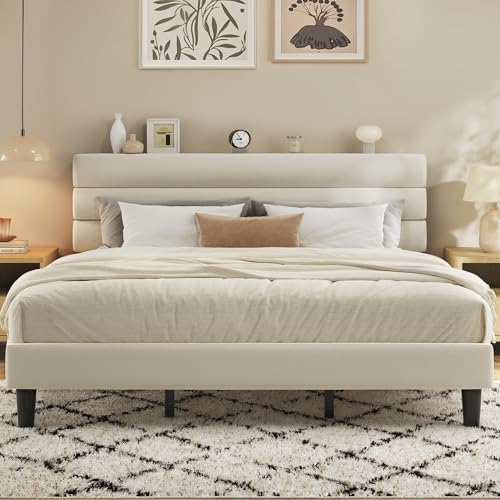
- Upholstered headboards: Soft to lean against, available in fabric, velvet, linen blends, and leather. Upholstered panels absorb sound and add warmth. They suit modern, transitional, and classic bedrooms alike.
- Wood headboards: Solid wood and wood veneer offer durability and a natural, grounded look. Finishes range from light oak to deep walnut, making wood a versatile choice for rustic, Scandinavian, and traditional interiors.
- Metal headboards: Typically steel or iron with a powder-coated or brushed finish. Metal frames are durable, easy to clean, and work well in industrial, farmhouse, and minimalist settings. Look for reinforced joints if you prefer a heavier visual style.
- Leather and faux leather: A premium look with a smooth, wipeable surface. Leather headboards age gracefully and pair well with both modern and classic furniture.
If your bedroom leans toward an industrial aesthetic, a metal or leather headboard complements exposed brick, concrete, and dark tones. For softer, restful spaces, upholstered panels in neutral fabrics create a calm backdrop.
3. Mounting and Compatibility
King headboards attach to the bed in several ways, and compatibility matters. The three common mounting types are:
- Frame-mounted: The headboard bolts to the bed frame rails using pre-drilled holes or adjustable brackets. This is the most secure option and keeps the headboard aligned with the mattress.
- Wall-mounted: The headboard is fixed directly to the wall, independent of the bed frame. This works well with adjustable beds and platform beds that lack attachment points.
- Freestanding: The headboard rests on the floor or against the wall behind the bed. Freestanding models are easy to reposition and suit renters or frequently rearranged rooms.
If you own an adjustable bed, confirm that the headboard is compatible with the articulation range. Some king headboards and footboards for adjustable beds are specifically engineered with clearance for the moving frame. Standard headboards may interfere with the hinge mechanism if mounted incorrectly.
4. Style and Bedroom Cohesion
The headboard should relate to the rest of the bedroom rather than compete with it. A few style directions to consider:
- Modern and minimalist: Clean lines, low-profile panels, neutral tones, and minimal ornamentation.
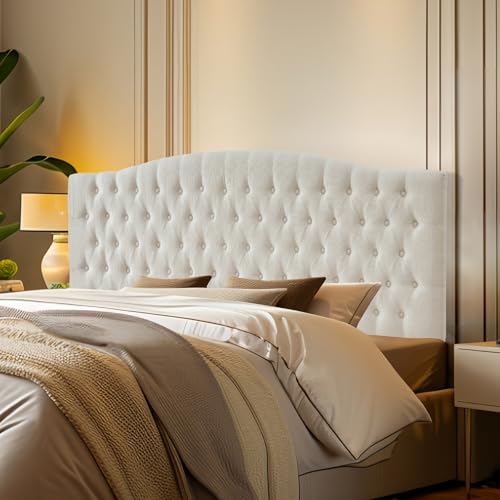
- Traditional and classic: Curved silhouettes, button tufting, nailhead trim, and rich wood finishes.
- Industrial: Metal frames, visible hardware, dark finishes, and raw materials. Pair with industrial bedroom elements for a cohesive look.
- Coastal and relaxed: Light woods, woven textures, and soft blue or white upholstery.
If you are building a cohesive scheme, coordinate the headboard with bedside furniture. For example, an industrial-style bedside cabinet pairs naturally with a metal or dark wood headboard.
5. Size and Fit
King headboards are sized to match standard king mattresses, but slight variations exist between manufacturers. Always measure your bed frame width and confirm the headboard's stated dimensions. A headboard that is slightly wider than the mattress creates a pleasant framing effect, while one that is narrower can look undersized. If you are still deciding on the bed itself, explore the full range of king beds and king-size beds to understand how headboard sizing fits into the broader purchase.
King Headboard Styles Compared
The table below summarizes the most common headboard styles, their visual character, and the bedroom types they suit best. Use it as a quick reference when narrowing down your options.
| Style | Best For | Visual Character | Maintenance |
|---|---|---|---|
| Upholstered panel | Comfort-focused sleepers, soft modern bedrooms | Warm, quiet, tactile | Vacuum fabric; spot-clean stains |
| Tufted or buttoned | Traditional and transitional rooms | Structured, elegant, classic | Dust between buttons; professional clean occasionally |
| Solid wood | Rustic, Scandinavian, farmhouse interiors | Natural, grounded, durable | Dust regularly; re-oil or polish as needed |
| Metal frame | Industrial, modern, and minimalist bedrooms | Sleek, airy, architectural | Wipe with a damp cloth; check joints for tightness |
| Leather or faux leather | Premium and contemporary spaces | Smooth, refined, substantial | Wipe clean; condition genuine leather periodically |
| Slatted or spindle | Coastal, cottage, and mid-century rooms | Light, open, rhythmic | Dust with a microfiber cloth or vacuum brush |
Practical Buying Checklist
Measure the wall space
Confirm the available width behind the bed. A headboard wider than the mattress frames the bed nicely, but it must still fit between bedside tables or wall edges.
Check mattress height
Deep mattresses reduce the visible headboard area. Aim for at least 20 inches of headboard above the mattress top for comfortable back support.
Confirm mounting method
Match the headboard's attachment system to your bed frame. Wall-mounted and freestanding options offer flexibility; frame-mounted models provide the most secure fit.
Consider adjustable beds
If you use an adjustable base, verify that the headboard clears the articulation path. Purpose-built headboards avoid contact with the moving frame.
Evaluate material durability
Look for reinforced joinery, high-density foam in upholstered panels, and rust-resistant finishes on metal frames. These details extend the headboard's service life.
Plan the style palette
Coordinate the headboard with bedding, bedside furniture, and wall color. A cohesive palette makes the headboard feel intentional rather than added on.
How to Match a King Headboard to Your Bedroom
A headboard is a long-term purchase, so it should work with the room you have and the room you plan to create. Start with the bed's position: if the bed sits against a wall with limited clearance, a slim upholstered or metal panel keeps the layout open. If the bed is centered in a large room, a wider, taller headboard can anchor the space and provide visual weight.
Next, consider the light. Upholstered headboards in light neutrals reflect light and make small bedrooms feel airier. Dark wood and leather headboards absorb light and create a more intimate, cocooning atmosphere. In rooms with strong architectural features such as exposed brick or timber beams, a simple headboard lets the architecture lead, while a highly detailed headboard may compete for attention.
Finally, think about maintenance. Bedrooms generate dust, and headboards sit in a high-contact zone. Fabric panels need periodic vacuuming, leather needs conditioning, and wood needs dusting. Choose a material whose care routine you will realistically maintain, because a well-kept headboard looks better for longer.
If you are also updating the wider bedroom scheme, our guides on king beds with high headboards and king-size headboards for adjustable beds explore specific configurations in more detail. For a broader view of bed options, browse the full king-size beds for sale collection.
Frequently Asked Questions
What height should a king headboard be?
A king headboard typically rises 24 to 36 inches above the mattress top. Taller headboards of 40 inches or more work well in rooms with high ceilings or where a dramatic focal point is desired. The ideal height depends on your ceiling, mattress thickness, and preferred visual balance.
Do king headboards fit all king bed frames?
Most king headboards are designed for standard king bed frames, but mounting systems vary. Some attach to the bed frame rails, others mount directly to the wall, and freestanding models rest against the wall behind the bed. Always confirm the mounting method and compatibility before choosing a headboard.
What materials are best for king headboards?
Upholstered headboards offer softness and acoustic comfort, wood headboards provide warmth and durability, metal headboards deliver an industrial or classic look, and leather headboards bring a premium feel. The best material depends on your bedroom style, maintenance preferences, and desired level of comfort.
Can I use a king headboard with an adjustable bed?
Yes, but choose a headboard designed for adjustable bases or one that mounts to the wall rather than the moving frame. Purpose-built models include clearance for the articulation range and prevent contact between the headboard and the mattress as the base adjusts.
How do I clean an upholstered king headboard?
Vacuum the fabric regularly with a brush attachment to remove dust. Treat spills promptly with a mild fabric cleaner and a clean cloth, working from the outside of the stain inward. For deeper cleaning, check the manufacturer's care label and consider professional upholstery cleaning for delicate fabrics.
Explore Related Guides
- King Headboards for Beds
- Inexpensive Headboards for King Size Beds
- King Beds with High Headboards
- King Beds with Tall Headboards
- King Size Headboards and Footboards for Adjustable Beds
- King Headboards and Footboards for Adjustable Beds
- King Size Headboards for Adjustable Beds
- King Beds
- King Size Beds
- King Size Beds for Sale
- Industrial Bedroom
- Industrial Style Bedside Cabinets