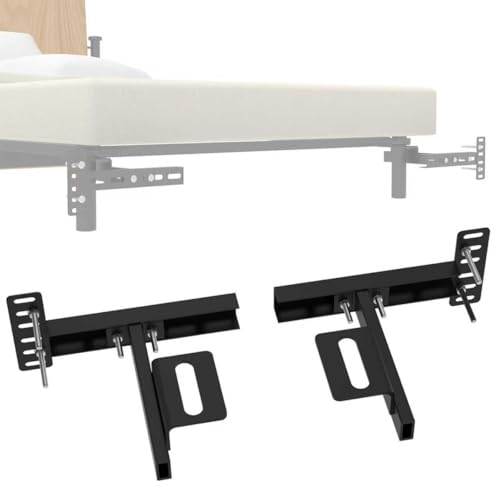
King Headboards and Footboards for Adjustable Beds
Everything you need to pair a king-size headboard and footboard with an adjustable bed base — sizing, mounting options, materials, and styling that work together.
Explore Recommended OptionsWhy this pairing matters: An adjustable bed is only as good as the frame and headboard that support it. A mismatched headboard can block the mattress from articulating, rattle loose over time, or simply look out of place. This guide walks you through the practical decisions so your king adjustable bed looks intentional and functions smoothly.
Understanding Adjustable Bed Headboard Compatibility
Adjustable beds are different from standard bed frames in one important way: the mattress articulates. The head section rises, the foot section may rise, and the base itself often has its own legs and rail system. That means a headboard and footboard must be chosen with the base's movement in mind, not just the mattress size.
How Headboards Attach to Adjustable Bases
There are three common attachment approaches, and each affects what kind of headboard you can use:
- Base-mounted brackets: Many adjustable bases include pre-drilled attachment points or universal brackets on the head end of the base. The headboard bolts directly to the base, which keeps it aligned as the mattress moves.
- Freestanding headboards: These stand on their own legs behind the bed. They work well when the adjustable base has no mounting points, but you must leave enough clearance so the rising mattress does not push against the headboard.
- Bed-frame-mounted headboards: If you place an adjustable base inside a traditional bed frame, the headboard attaches to the frame rather than the base. This is common with king bed frames for adjustable beds that are built with extra interior clearance.
Why Footboards Need Extra Consideration
Footboards are where most adjustable bed setups run into trouble. When the foot section of the mattress rises, it moves upward and toward the foot of the bed. A solid, tall footboard can block that movement or force the mattress to press against it. For this reason, many adjustable bed owners choose one of the following:
- Low-profile footboards that sit below the mattress's raised height.
- Open or slatted footboards that allow the mattress corner to move without contact.
- No footboard at all, relying on the headboard as the visual anchor.
If you love the look of a footboard, check the maximum articulation angle of your base and compare it to the footboard height. A footboard that clears the mattress at full rise is the safe choice.
Sizing: Matching King Headboards and Footboards to Your Base
King-size bedding follows a standard mattress footprint of 76 inches wide by 80 inches long, but adjustable bases are not always identical in width. Some bases have side rails that extend slightly beyond the mattress, and some have legs positioned differently from a standard frame. Before you buy, confirm these dimensions:
- Base width: The headboard should span the full width of the base or the mattress, whichever is wider.
- Mounting height: The bracket height on the headboard must line up with the attachment points on the base.
- Footboard clearance: The distance between the foot of the base and the footboard should allow full articulation.
Headboard Width and Height Guidelines
A king headboard typically ranges from about 76 to 80 inches wide. Height is a design choice, but for adjustable beds, a headboard that is too short can look unfinished when the mattress is flat, while one that is too tall may feel imposing. A common approach is to choose a headboard that rises roughly 20 to 30 inches above the mattress surface when the bed is flat.
| Component | What to Verify | Why It Matters |
|---|---|---|
| Headboard width | Matches base or mattress width (about 76–80 in) | Prevents gaps and visual imbalance |
| Mounting brackets | Bolt pattern and height align with base | Keeps the headboard secure during articulation |
| Footboard height | Clears the mattress at full foot-section rise | Avoids blocking movement and mattress damage |
| Clearance behind headboard | Enough room for the head section to rise | Prevents friction and squeaking |
If you are still comparing base options, our guide to king adjustable beds with mattress covers how base dimensions vary between models and what that means for headboard shopping.
Materials and Styles for King Adjustable Bed Headboards
The material you choose affects comfort, durability, and how well the headboard suits an adjustable bed's movement. Here is how the main categories compare.
Upholstered Headboards
Upholstered headboards are a favorite for adjustable beds because they provide a soft surface for sitting up and reading or watching television. Fabric, faux leather, and leather covers are common. Look for reinforced mounting points and a frame that will not flex excessively when the head section rises. Leather options pair well with leather beds and add a tailored look.
Wood Headboards
Wood headboards offer a sturdy, classic appearance and are easy to clean. Solid wood or high-grade engineered wood with a durable finish tends to hold up well. If you prefer a warm, natural aesthetic, wood pairs nicely with Japanese-style bedside tables and other natural textures.
Metal Headboards
Metal headboards are durable and often feature open designs that work well with adjustable bases. Wrought iron, steel, and aluminum are common materials. A rust-proof finish helps maintain appearance over time. Metal designs can lean industrial, which suits an industrial bedroom theme.
Style Considerations
- Low-profile and platform styles: Keep the visual weight low and avoid interfering with the base.
- Tall headboards: Make a statement, but verify they do not block the head section's rise. Our guide to king beds with tall headboards covers proportion tips.
- Open-frame designs: Slatted or spindle headboards allow airflow and reduce visual bulk.
Footboard Options That Work With Adjustable Beds
Footboards are optional, but when chosen well they complete the frame and add definition to the room. The key is clearance and weight distribution.
- Low footboards: Best for bases with a high foot-section rise. A low footboard stays out of the mattress's path.
- Slatted or open footboards: Allow the mattress corner to move between the slats without contact.
- Detachable footboards: Some frames let you remove the footboard if you later change bases or adjust your sleep position.
If you want a coordinated look, choose a headboard and footboard from the same collection so the finish and proportions match. If you prefer a simpler setup, a headboard-only design is perfectly acceptable and often more practical for adjustable beds.
Installation and Setup Tips
Proper installation is what keeps a king headboard and footboard stable on an adjustable base. Follow these steps for a smooth setup:
- Assemble the base first. Set the adjustable base in its final position and test the articulation before attaching anything.
- Dry-fit the headboard. Hold the headboard in place and check bracket alignment before tightening bolts.
- Use the right hardware. Use the bolts supplied with the base or headboard, and add washers if the bracket holes are slightly larger than the bolts.
- Check clearance at full rise. Raise the head and foot sections fully and confirm nothing rubs, pinches, or blocks movement.
- Stabilize the footboard. If using a footboard, ensure it is anchored to the frame or base so it does not shift when the mattress moves.
Pairing Your Headboard With the Rest of the Bedroom
Once the functional decisions are made, the headboard and footboard become part of the room's design story. A few ideas to tie everything together:
- Lighting: A headboard with a built-in reading light or a nearby wall sconce makes late-night reading easier. Explore bedside lamps for complementary options.
- Bedside storage: A large bedside table with drawers balances the visual weight of a tall king headboard.
- Textiles: A king bedspread and comforter that drapes cleanly over the adjustable base keeps the look polished.
- Greenery: A touch of greenery softens the frame. Browse indoor plants for low-maintenance options.
If you are still narrowing down the bed itself, our king beds hub and king headboards for beds collection give you a broader starting point.
Common Mistakes to Avoid
- Buying a headboard without checking bracket compatibility. A beautiful headboard is useless if it cannot attach securely.
- Ignoring footboard clearance. A tall footboard can block the mattress at full rise.
- Choosing a headboard that is too deep. A thick headboard can reduce the usable mattress length when the head section rises.
- Skipping the dry fit. Always test articulation before final tightening.
- Overlooking the base's weight rating. A heavy headboard and footboard add load, so confirm the base and frame can handle it.
Frequently Asked Questions
Can I use my existing king headboard with an adjustable bed base?
Do I need a footboard for an adjustable bed?
What size headboard fits a king adjustable bed?
Which headboard materials work best for adjustable beds?
Ready to Complete Your Adjustable Bed Setup?
Browse our curated selection of king headboards and footboards designed to work with adjustable bed bases. Compare features, materials, and mounting options in one place.
View Recommended ProductsRelated Guides
- King headboards for beds: styles and sizing
- King bed frames for adjustable beds
- King size headboards for adjustable beds
- King size headboards and footboards for adjustable beds
- King adjustable beds with mattress
- King beds with tall headboards
- King beds with high headboards
- King beds: complete buying overview
- Leather beds
- Indoor plants for bedrooms