King Size Canopy Beds for Sale
Discover how a king size canopy bed can transform your bedroom into a statement retreat. Learn about frame materials, style variations, room requirements, and the key features to compare before you choose your four-poster centerpiece.
EXPLORE OPTIONSWhy a canopy bed? A king size canopy bed is more than furniture — it is an architectural anchor. The four-poster silhouette adds vertical presence, frames the sleep space, and creates a sense of occasion that a standard bed frame simply cannot match. This guide walks you through everything you need to know before buying one.
What Defines a King Size Canopy Bed?
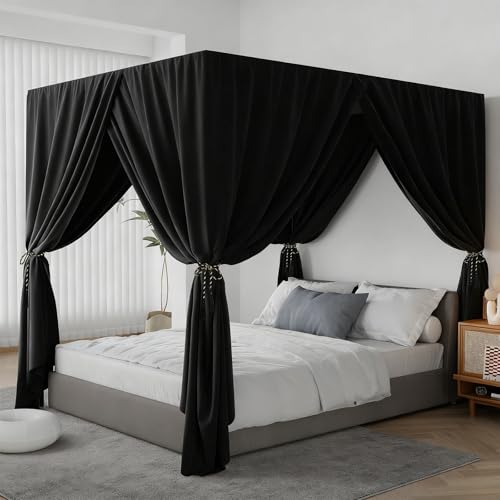
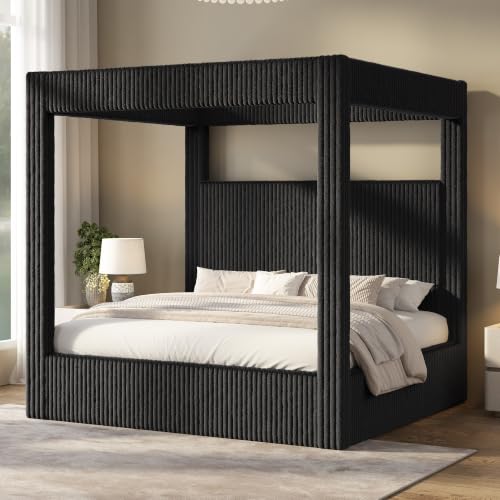
A king size canopy bed combines the generous sleeping surface of a standard king mattress — typically 76 inches wide by 80 inches long — with a four-poster frame that rises well above the headboard line. The defining feature is the canopy structure itself: four vertical posts connected at the top by rails, a flat frame, or a curved crown. Some designs include a full fabric canopy, while others remain open to showcase the frame architecture.
Unlike a simple king size bed for sale, a canopy model demands more from the room. The posts add visual height, and depending on the design, they may extend six to eight feet above the floor. This makes canopy beds particularly well-suited to rooms with high ceilings or generous vertical space, though thoughtfully scaled models can work in standard-height bedrooms too.
Canopy beds are available across a wide range of construction tiers. Entry-level models often use tubular metal or lightweight wood, mid-range designs frequently feature solid hardwood or reinforced steel, and premium and luxury tiers may incorporate hand-carved details, upholstered posts, or custom ironwork. Understanding these tiers helps you set realistic expectations about durability, finish quality, and long-term performance.
Canopy Bed Styles and Design Variations
The canopy category is broader than many buyers expect. The style you choose will shape the entire character of your bedroom, so it is worth reviewing the main options before narrowing your search.
- Traditional four-poster: Four straight or turned posts with a simple top frame. This is the most versatile silhouette and works across classic, transitional, and modern interiors. A king size poster bed in this style often serves as a long-term anchor piece.
- Canopy with fabric top: Includes a fabric-covered top frame or a full drape. These create a cocooning effect and are popular in romantic or traditional bedrooms. Fabric canopies also help soften acoustics and block light if heavier textiles are used.
- Iron and metal canopy beds: Typically crafted from steel or wrought iron with thin, elegant posts. These designs are visually light and suit both rustic and industrial aesthetics. If you are drawn to exposed materials, you may also appreciate the character of an industrial bedroom layout.
- Wood canopy beds: Solid wood frames in oak, pine, walnut, or mahogany. These range from simple Shaker-inspired lines to ornate carved posts. Wood canopy beds pair naturally with warm textiles and classic bedroom styling.
- Upholstered canopy beds: Posts or headboards wrapped in fabric or leather. These sit at the premium and luxury tiers and offer a softer, more tailored look. A king size wood and upholstered bed blends structural warmth with tactile comfort.
If you are comparing canopy designs alongside other statement frames, it may help to review king beds with high headboards and king beds with tall headboards to understand how vertical presence is achieved without a full four-poster structure.
Room Requirements Before You Buy
A king size canopy bed is a substantial piece of furniture. Before committing, measure your room carefully and account for the following:
- Ceiling height: Most canopy beds require at least eight feet of ceiling clearance for comfortable assembly and visual balance. Taller models may need nine feet or more.
- Floor space: A king mattress alone occupies a large footprint. Add the frame dimensions and allow at least two feet of walking space on each accessible side. Canopy posts can reduce usable floor area more than a standard frame.
- Door and hallway clearance: Canopy beds ship in multiple boxes, but assembled posts can be long. Check that the longest component can navigate hallways, stairwells, and doorways.
- Ceiling fixtures: If your room has a ceiling fan or pendant light, confirm that the canopy top will not interfere with its clearance or operation.
If your room is on the smaller side, you may want to compare king size beds for sale in lower-profile designs, or explore king size platform beds for sale as an alternative that preserves floor space while still offering a substantial frame.
Canopy Bed Frame Materials Compared
Frame material affects weight, assembly complexity, maintenance, and the overall feel of the bed. The table below summarizes the main options at a glance.
| Material | Typical Tier | Best For | Key Considerations |
|---|---|---|---|
| Steel / tubular metal | Entry-level to mid-range | Sleek, minimalist bedrooms; easy assembly | Lighter weight; check for reinforced joints and rust-resistant finish |
| Wrought iron | Mid-range to premium | Traditional, rustic, and industrial interiors | Heavier and more durable; hand-finished details vary by maker |
| Solid wood (pine, oak, walnut) | Mid-range to luxury | Warm, classic, and transitional bedrooms | Weight and assembly complexity increase with size; verify kiln-dried construction |
| Upholstered wood or metal | Premium to luxury | Soft, tailored, and hotel-inspired spaces | Fabric care and cleaning requirements; check frame rigidity beneath upholstery |
Key Features to Evaluate
Not all canopy beds are built to the same standard. As you compare options, pay attention to these structural and functional details:
- Post thickness and joinery: Thicker posts with reinforced joinery resist sway better than thin, decorative posts. Look for bolted or mortise-and-tenon connections rather than simple screw fittings.
- Center support: King beds require robust center support to prevent mattress sag. Confirm that the frame includes a center rail and multiple support legs.
- Canopy top structure: If you plan to add fabric or a canopy kit, check whether the top frame is pre-drilled or fitted with attachment points.
- Finish quality: Powder-coated metal and sealed wood resist wear better than unfinished surfaces. For metal frames, verify a rust-proof finish, especially in humid climates.
- Assembly requirements: Canopy beds typically involve more parts than standard frames. Review assembly instructions and confirm whether tools are included.
If you are furnishing the surrounding space, coordinating pieces such as king size bed with bedside tables sets can simplify the styling process and ensure consistent proportions.
Styling a King Size Canopy Bed
A canopy bed naturally draws the eye, so the surrounding decor should support rather than compete with it. Consider these approaches:
- Keep bedding simple: A clean, tailored duvet or a textured king size bedspread set lets the frame remain the focal point.
- Use symmetry: Matching bedside tables, lamps, and artwork create a calm, balanced composition around the bed.
- Add greenery: A small plant on a bedside table or in a corner can soften the structured lines of a canopy frame. See indoor plants for low-maintenance options.
- Layer lighting: Canopy posts can cast shadows, so layer ambient and task lighting to keep the room feeling bright and open.
- Choose a complementary rug: A rug that extends beyond the bed footprint grounds the frame and adds warmth underfoot.
For a broader look at bedroom composition, you may find inspiration in our king size sleigh beds for sale guide, which covers another statement silhouette with strong visual presence.
Canopy Beds vs. Other King Bed Styles
If you are still weighing canopy beds against other king-size options, the comparison below may help clarify the trade-offs.
| Bed Style | Visual Impact | Space Requirement | Best For |
|---|---|---|---|
| Canopy / four-poster | High — vertical focal point | High ceiling and generous floor space | Statement bedrooms, high-ceiling rooms |
| Platform bed | Moderate — low, clean profile | Standard rooms | Modern and minimalist spaces |
| Sleigh bed | Moderate to high — curved profile | Standard to generous rooms | Traditional and transitional interiors |
| Storage bed | Moderate — practical footprint | Standard rooms | Smaller rooms needing extra storage |
For buyers who want the presence of a canopy without the full four-poster structure, king size beds with tall headboards can deliver a similar vertical emphasis with a smaller footprint.
Frequently Asked Questions
Do king size canopy beds require a specific mattress type?
No. A standard king mattress fits any king size canopy bed frame designed for that size. However, because canopy beds often have solid or slatted bases, confirm the frame's mattress support system and ensure it matches your mattress type. Innerspring and hybrid mattresses generally work well with slatted bases, while memory foam may benefit from a solid platform or closely spaced slats.
Can a canopy bed fit in a room with a standard eight-foot ceiling?
Yes, many canopy beds are designed with eight-foot ceilings in mind. Look for models with post heights that leave at least six to twelve inches of clearance below the ceiling. Always check the assembled height before purchasing, and account for any ceiling fixtures.
Are canopy beds difficult to assemble?
Canopy beds involve more components than standard frames, but most mid-range and premium models include clear instructions and labeled parts. Assembly typically requires two people due to the height and weight of the posts. Entry-level models may use simpler fittings, while premium frames may use heavier bolts and require more careful alignment.
Can I add a fabric canopy later?
Many canopy beds are compatible with aftermarket canopy kits, but compatibility depends on the top frame design. Check whether the top rails are pre-drilled or fitted with hooks. Some models are designed specifically for drapes, while others are intended to remain open.
What is the difference between a canopy bed and a four-poster bed?
The terms are often used interchangeably. Strictly speaking, a four-poster bed refers to any bed with four vertical posts, while a canopy bed specifically includes a top structure that can support fabric or a canopy. In practice, most king size canopy beds are also four-poster beds.
Ready to Choose Your Canopy Bed?
Compare the options below and find the king size canopy bed that fits your room, your style, and your sleep priorities.
VIEW RECOMMENDED BEDS