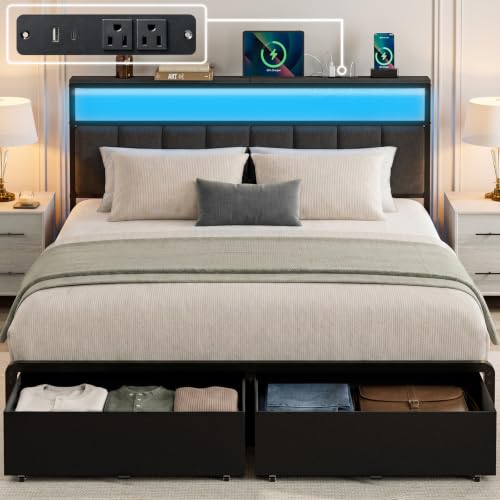
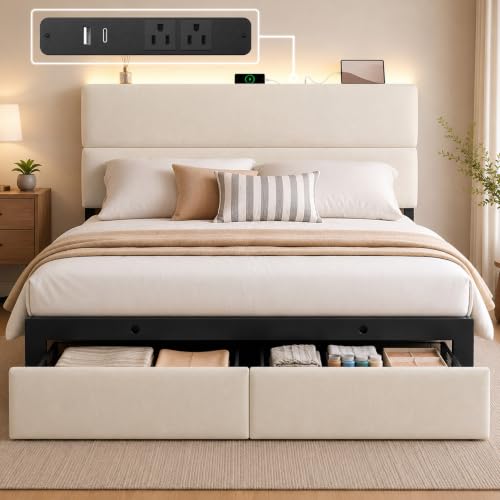
Platform beds with headboard combine two essential bedroom elements into a single, streamlined piece of furniture. The frame supports your mattress directly through a slatted or solid base, while the integrated headboard anchors the bed visually and gives you a comfortable surface to lean against for reading, watching TV, or enjoying a slow morning. For anyone upgrading their sleep setup, this pairing offers structure, style, and practical convenience in one purchase.
This guide walks through everything worth knowing before you choose. You will learn how platform beds with headboard differ from traditional bed frames, which materials and headboard styles suit different bedroom designs, how to match mattress types to the support system, and the setup details that prevent frustration later. By the end, you should have a clear picture of the configuration that fits your space and sleeping habits.
Quick summary: Platform beds with headboard eliminate the need for a box spring, sit lower to the floor, and come in wood, metal, and upholstered designs. Focus on slat spacing, headboard height, and under-bed clearance to make the right call.
What Defines a Platform Bed with Headboard
A platform bed is built around a rigid base rather than a flexible box spring. The mattress rests on evenly spaced slats or a solid panel, and the frame itself provides the structural support. When a headboard is integrated into the design, it usually attaches to the frame rails or the rear legs, creating a single cohesive piece.
Compared with a standard bed frame and separate headboard, the combined format reduces moving parts and simplifies assembly. It also tends to look more intentional in a room because the proportions between the frame and headboard are designed to work together. Many modern platform beds with headboard sit at a lower height than traditional beds, which gives bedrooms a grounded, contemporary feel.
If you are exploring the broader category, our overview of platform beds covers the fundamentals. This page narrows the focus to models that include a headboard and explains how that feature affects comfort and design.
Why Choose a Platform Bed with Headboard
There are several practical reasons this configuration has become a popular choice for bedrooms of all sizes.
- No box spring needed: The slatted base holds the mattress directly, saving an extra purchase and reducing overall height.
- Built-in back support: An attached headboard gives you a comfortable surface to lean on when sitting up in bed.
- Cleaner visual line: A single piece of furniture reads more neatly than a frame plus a separate headboard with its own mounting hardware.
- Stable and quiet: Well-built platform frames with reinforced slats minimize creaking and movement compared with older metal rail designs.
- Design flexibility: Options range from minimalist wood frames to upholstered panels that soften the look of a room.
For smaller rooms, a low-profile platform bed with a slim headboard can make the space feel more open. Pairing it with compact furniture, such as a small bedside table, keeps the layout balanced and uncluttered. If you are decorating a tight footprint, our small bedroom decor guide offers complementary ideas for arranging the surrounding space.
Types of Platform Beds with Headboard
The category breaks down mainly by material and headboard style. Each has trade-offs in look, durability, and maintenance.
Wooden Platform Beds with Headboard
Solid wood and engineered wood frames are the most common choice. They suit modern, Scandinavian, rustic, and traditional interiors, and they can be stained or painted to match existing furniture. Look for reinforced corner joints and slats that are at least a few inches wide for stable mattress support. A wooden headboard can be slatted, paneled, or solid, depending on how much visual weight you want at the back of the bed.
Upholstered Platform Beds with Headboard
Fabric-wrapped frames, often in linen, velvet, or faux leather, add softness and acoustic dampening to a bedroom. The padded headboard is comfortable for leaning against. Upholstered models tend to sit in the mid-range to premium tiers of the market, and the fabric requires occasional vacuuming or spot cleaning to stay fresh.
Metal Platform Beds with Headboard
Metal frames offer a durable, low-maintenance option with a slim profile. They work well in industrial and minimalist rooms, and many designs include decorative headboard panels or simple horizontal bars. Check for a rust-proof finish and reinforced center support, especially on larger sizes.
Headboard Style Variations
Beyond material, the headboard itself shapes the look and function of the bed:
- Panel headboard: A solid, often rectangular surface, suitable for a clean modern look.
- Slatted headboard: Open vertical or horizontal slats that keep the room feeling airy.
- Wingback headboard: Side wings provide a cozy, enclosed feel and block light from the sides.
- Curved or arched headboard: Softens the silhouette and adds a traditional or boutique-hotel character.
- Storage headboard: Built-in shelves or cubbies add function without extra furniture.
Platform Beds with Headboard Compared
The table below summarizes the main options by category and typical use case. It uses tier descriptors rather than numeric figures so the comparison stays useful over time.
| Type | Tier | Best For | Notes |
|---|---|---|---|
| Solid wood frame | Mid-range to premium | Long-term bedroom setups | Durable construction, repairable finish |
| Engineered wood frame | Entry-level to mid-range | Guest rooms and starter bedrooms | Lighter weight, consistent finish |
| Upholstered frame | Mid-range to luxury | Soft, quiet bedrooms | Padded headboard, fabric care needed |
| Metal frame | Essential to mid-tier | Modern and industrial interiors | Slim profile, low maintenance |
| Storage headboard | Top-tier | Small rooms needing extra function | Combines shelving with the bed frame |
How to Match a Mattress to a Platform Bed
Because the mattress rests directly on the platform, the support system matters. Slat spacing is the key variable. Closely spaced slats, generally a few inches apart, give foam and hybrid mattresses the even support they need. Wider spacing can work for innerspring mattresses but may allow foam to sag over time.
Mattress thickness also affects the final look. A very thick mattress on a low platform bed can hide the headboard and make the proportions feel top-heavy. A mattress in the standard range pairs well with most headboard heights. Our mattresses section covers firmness and material choices in detail, and the memory foam mattresses guide explains why foam models benefit from a solid, closely slatted base.
A mattress protector or encasement helps keep the sleep surface clean and extends the life of the mattress. The mattress encasements guide explains the difference between protectors and full encasements so you can choose the right layer.
Sizing and Space Planning
Platform beds with headboard come in all standard sizes, from twin to California king. The right choice depends on room dimensions, occupant count, and how much floor space you want to preserve. A queen or king is typical for primary bedrooms, while twin and full sizes suit guest rooms and smaller spaces.
For a closer look at size-specific options, see the guides on platform beds queen and platform beds king. The twin configuration is covered in the platform twin beds guide. If you want to maximize storage in a compact room, the platform beds with drawers underneath page shows how under-bed storage integrates with the platform format.
Beyond the bed itself, consider the surrounding footprint. Nightstands, a rug, and a bench all compete for floor space. A slimmer headboard keeps the wall behind the bed from feeling crowded, while a taller, upholstered headboard creates a focal point. Our master bedroom bedside tables guide helps you balance the bed with matching side furniture.
Headboard Height and Comfort
Headboard height affects both comfort and proportion. A headboard that reaches roughly the top of the mattress or slightly above gives good back support when sitting up. Very low headboards look sleek but offer little to lean against, while very tall headboards create a dramatic, hotel-like backdrop but can dominate a small room.
For reading in bed, the angle of the headboard matters as much as the height. A slightly reclined or padded headboard is more comfortable than a flat, hard panel. If you read or work in bed often, pair the headboard with a supportive pillow arrangement. The modern bedding for platform beds guide covers layering that complements a low-profile frame.
Assembly and Setup Tips
Most platform beds with headboard assemble with basic tools and clear instructions, but a few details make the process smoother:
- Unpack and sort hardware first. Lay out bolts, brackets, and slats before starting so you do not lose pieces mid-assembly.
- Build on a clear floor area. Assemble the frame in the room where it will live if possible, since moving a completed bed through doorways can be awkward.
- Attach the headboard before tightening everything. Leave the frame bolts slightly loose until the headboard is aligned, then tighten all connections.
- Check slat spacing. Confirm the slats are evenly spaced and secure. Add a center support rail for larger sizes if the frame includes one.
- Let the mattress settle. After placing the mattress, give it a few hours to expand and settle before judging firmness.
If you are also refreshing the bedding, the matelasse bedspread guide and the organic bedspread guide offer texture and material options that work well with platform frames.
Common Mistakes to Avoid
- Ignoring slat spacing: Foam mattresses can sag on widely spaced slats. Measure before you buy.
- Choosing a headboard that is too low: If you plan to sit up in bed, a headboard below mattress height offers little support.
- Skipping the center support: Larger platform beds benefit from a center rail to prevent flexing.
- Forgetting clearance: Under-bed clearance affects cleaning and storage. Decide whether you want a low-profile look or room for bins.
- Mismatching style and room: A heavy, tall headboard can overwhelm a small room; a slim headboard can look lost in a large one.
Frequently Asked Questions
Do platform beds with headboard require a box spring?
No. The slatted or solid base supports the mattress directly, so a box spring is not needed. This keeps the bed lower and simplifies the setup.
What mattress types work best with a platform bed with headboard?
Memory foam, hybrid, latex, and innerspring mattresses all work when the slat spacing is appropriate. Foam and hybrid models pair especially well with closely spaced slats.
How much clearance should a platform bed with headboard have underneath?
Around 6 to 12 inches is common. Lower clearance gives a grounded look, while higher clearance allows for under-bed storage and easier cleaning.
Is a platform bed with headboard suitable for small bedrooms?
Yes. A low-profile model with a slim headboard helps a small room feel more open, especially when paired with compact furniture and light bedding.
How do I attach a headboard to a platform bed frame?
Most models include pre-drilled brackets and hardware. Attach the headboard to the frame rails or rear legs, align it, then tighten all bolts according to the instructions.
Final Checklist Before You Choose
Before committing to a platform bed with headboard, run through these points:
- Measure your room and confirm the bed footprint fits with walking space around it.
- Decide on mattress type and confirm the slat spacing supports it.
- Check headboard height against your sitting height and reading habits.
- Confirm under-bed clearance matches your storage and cleaning needs.
- Review the frame material and finish against the rest of your bedroom decor.
- Read assembly instructions and confirm the hardware and tools included.
A well-chosen platform bed with headboard is a long-term investment in both comfort and bedroom design. Once the frame and mattress are settled, the rest of the room — bedding, lighting, and side furniture — falls into place more easily.