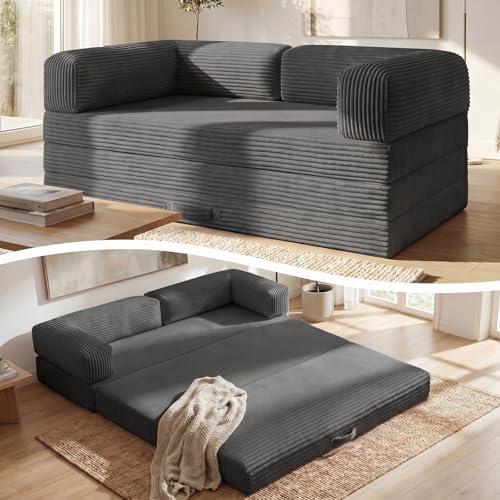
Queen Size Sofa Beds for Sale: Your Complete Buying Guide
Everything you need to know before choosing a queen size sofa bed — from conversion mechanisms and mattress types to frame durability and room layout. Make a confident, informed decision for your home.
Why queen size sofa beds? A queen size sofa bed is one of the most versatile pieces of furniture you can own. It seats your family comfortably during the day and transforms into a full-width sleeping surface for guests at night. For anyone researching queen size sofa beds for sale, the key is understanding the trade-offs between seating comfort, sleeping support, and the space you have available.
What Is a Queen Size Sofa Bed?
A queen size sofa bed is a convertible piece of furniture that functions as a full sofa during the day and unfolds or pulls out into a sleeping surface approximately 60 inches wide by 80 inches long — the same dimensions as a standard queen mattress. Unlike loveseat sleepers or twin sofa beds, a queen sofa bed offers enough width for two adults to sleep side by side.
There are two main conversion styles you will encounter while browsing queen size sofa beds for sale:
- Pull-out sleeper sofas: A folded mattress is stored inside the sofa frame and unfolds onto the floor. These tend to offer better long-term sleeping support because the mattress is a dedicated component.
- Click-clack and futon-style convertibles: The backrest folds flat to create the sleeping surface. These are simpler mechanically and often suit lighter use, such as occasional guest sleeping or apartment living.
Understanding this difference early will help you filter listings quickly and focus on the models that match how often the bed will actually be used for sleeping.
Key Factors When Choosing Queen Size Sofa Beds
1. Conversion Mechanism and Ease of Use
The conversion mechanism is the heart of any sofa bed. Entry-level models often use a basic metal fold-out frame, while mid-range and premium models feature upgraded mechanisms with smoother glides, reinforced hinges, and locking positions. If the sofa bed will be opened daily, prioritize a mechanism described as heavy-duty or commercial-grade. If it is for occasional guests, a standard mechanism is usually sufficient.
Look for listings that mention the mechanism type explicitly — for example, a "pull-out with memory foam mattress" or a "click-clack with locking backrest." A mechanism that locks firmly in the seated position prevents the bed from unfolding unexpectedly.
2. Mattress Type and Thickness
This is where many buyers get surprised. Sofa bed mattresses are thinner than standard mattresses by necessity. Common options include:
- Innerspring sofa bed mattresses: Traditional, firm feel, with a coil structure. Often found in entry-level sleeper sofas.
- Memory foam sofa bed mattresses: Better pressure relief and motion isolation. Mid-range and premium models increasingly use foam, sometimes in a multi-layer construction.
- Air-over-coil or hybrid designs: Combine support layers for a more mattress-like feel, typically found in high-end tier sleeper sofas.
If the sofa bed will be used for regular overnight guests, favor a model with a thicker foam or hybrid mattress. If it is mostly for occasional use, an innerspring design is a solid, durable choice.
3. Frame Construction and Durability
Frames are typically built from hardwood, engineered wood, or metal. Heavy-duty steel mechanisms paired with kiln-dried hardwood frames represent the most durable construction. Check whether the listing mentions reinforced corner blocks, solid wood legs, or a rust-proof finish on metal components — these are signs of a well-built piece that will hold up over years of conversion cycles.
For households where the sofa bed will be used frequently or by heavier sleepers, prioritize frames described as heavy-duty or reinforced.
4. Upholstery and Style
Queen sofa beds come in fabric, microfiber, velvet, leather, and faux leather. Fabric and microfiber are popular for family rooms because they are easy to maintain; velvet adds a premium look; leather and faux leather are straightforward to wipe clean. Consider the room the sofa bed will live in: a neutral fabric blends into most decors, while a statement upholstery can anchor a living room.
5. Dimensions and Room Layout
A queen sofa bed occupies more floor space than a standard sofa, and when opened it requires clearance in front. Measure your room carefully: a typical queen sleeper sofa is around 80–90 inches wide when closed, and the open bed extends forward by roughly 60–90 inches depending on the mechanism. Leave walking space around the open bed so guests can get in and out comfortably.
If space is tight, consider models that fold out lengthwise or click-clack designs that require less clearance. For related compact-room solutions, explore our guide to small bedroom decor for layout inspiration.
6. Comfort for Seating vs. Sleeping
Every sofa bed is a compromise. Models with thicker seat cushions feel better to sit on, but the mattress may be thinner. Conversely, a plush mattress often means a firmer seat. Read reviews specifically about both modes. A well-balanced mid-range model will feel comfortable in both configurations, while a high-end tier convertible often achieves the best of both worlds through layered foam construction.
Comparing Queen Sofa Bed Tiers
To help you orient yourself among the many queen size sofa beds for sale, here is how the main quality tiers typically compare. Use this as a framework, not a ranking of specific brands.
| Tier | Best For | Typical Construction | Mechanism |
|---|---|---|---|
| Entry-level | Occasional guest sleeping, spare rooms, starter apartments | Engineered wood frame, basic fabric upholstery, innerspring mattress | Standard fold-out or click-clack |
| Mid-range | Regular guest use, dual-purpose living rooms, home offices | Hardwood frame with reinforced corners, microfiber or velvet, foam mattress | Upgraded pull-out with smoother glides |
| Premium | Frequent overnight use, primary guest bedroom, heavy-duty households | Kiln-dried hardwood, high-grade steel mechanism, hybrid foam mattress | Heavy-duty locking mechanism, commercial-grade components |
| Luxury | Design-forward living spaces, long-term daily conversion use | Solid hardwood, premium upholstery, multi-layer hybrid mattress | Professional-grade, engineered for daily cycles |
Within each tier, the best choice depends on how often the sofa bed will be converted. A mid-range model used daily may outperform a premium model used twice a year in practical terms. Choose based on your actual usage pattern.
Where to Place a Queen Size Sofa Bed
Queen sofa beds work well in several room types:
- Living rooms: The most common placement. Position the sofa facing a focal point, and ensure there is open floor space in front for the bed to extend.
- Guest rooms and home offices: A sofa bed doubles as seating for a desk or reading nook while providing a full sleeping surface for visitors.
- Studio apartments: A queen sofa bed is often the only sleeping furniture in a studio. In this case, prioritize conversion ease and mattress comfort above all else.
When styling the surrounding space, keep nightstand-height surfaces nearby for guests — a compact bedside table can hold a lamp, phone, and glass of water. If floor space is limited, a bedside table with USB port adds charging convenience without extra clutter. For design inspiration, browse our bedroom rug guide to anchor the sleeping area visually.
If the sofa bed will serve as the primary bed in a small room, also consider storage. A white bedside table with storage can keep essentials organized, and a distressed white bedside table adds character to a farmhouse-style space.
Care and Maintenance for Sofa Beds
To get the longest life from your queen sofa bed, follow a few simple habits:
- Rotate the mattress regularly. Sofa bed mattresses wear unevenly, especially where the mechanism folds. Rotate or flip according to the manufacturer's instructions.
- Clean the mechanism. Dust and debris can build up in the folding mechanism. Wipe down metal parts periodically and check for loose bolts.
- Vacuum upholstery. Fabric and microfiber upholstery benefit from regular vacuuming with a soft brush attachment to prevent dust from settling into the weave.
- Avoid jumping or standing on the mattress. Sofa bed mattresses are thinner than standard mattresses and less tolerant of concentrated weight.
- Know when to replace. If the mattress develops deep impressions or the mechanism becomes difficult to operate, it may be time for a replacement. Our guide on when to replace a mattress covers the signs to watch for.
For the sleeping surface itself, quality bedding makes a difference. A fitted bedsheet in queen size keeps the mattress protected, and a queen bedspread set adds warmth and style to the guest setup. If you prefer a coordinated look, explore white queen bedspread sets or grey bedspreads for queen beds for a neutral, hotel-like finish.
Alternatives to Queen Size Sofa Beds
If you are still weighing options, several related furniture types serve similar purposes:
- Twin size sofa beds: Smaller footprint, better for single guests or very compact rooms. Compare options in our twin size sofa beds guide.
- Trundle beds: A bed with a second sleeping surface that rolls out underneath. Ideal for guest rooms where the second bed is only needed occasionally. See our trundle beds overview and queen size trundle beds for adults.
- Queen size bunk beds: For households needing multiple sleeping surfaces in one footprint, a queen size bunk bed can be a space-efficient alternative.
- Full and double beds: If the sofa bed is primarily for one sleeper, a full or double bed may be more comfortable for daily use.
- Bed frames with headboards: For a permanent guest bed rather than a convertible, a bed with headboard provides a more traditional sleeping setup.
Each option has trade-offs in seating function, sleeping comfort, and floor space. A queen sofa bed remains the most flexible choice when a room must serve as both living space and guest bedroom.
Frequently Asked Questions
Is a queen size sofa bed comfortable for everyday sleeping?
It can be, especially mid-range and premium models with foam or hybrid mattresses. For daily sleeping, prioritize a sofa bed with a thick mattress layer and a heavy-duty mechanism. Entry-level innerspring sofa beds are generally better suited to occasional use.
How much floor space does a queen sofa bed need?
When closed, most queen sofa beds are roughly 80–90 inches wide and 36–40 inches deep. When opened, they extend forward by about 60–90 inches depending on the mechanism. Measure the open footprint and leave at least 24 inches of walking clearance around the bed.
What is the difference between a pull-out sofa bed and a click-clack?
A pull-out sofa bed contains a folded mattress that unfolds onto the floor, offering better sleeping support. A click-clack uses the seat and backrest as the sleeping surface, requiring less clearance and suiting lighter, occasional use.
Can I replace the mattress in a queen sofa bed?
Yes, most pull-out sleeper sofas accept replacement sofa bed mattresses in queen size. Check the manufacturer's specifications for thickness limits, since overly thick mattresses may prevent the sofa from closing properly.
Do I need a special mattress pad for a sofa bed?
A mattress pad or topper can improve comfort on a thin sofa bed mattress. Choose a topper that is thin enough to allow the sofa to fold closed. A fitted bedsheet in the correct size helps keep the pad in place.
Ready to Choose Your Queen Sofa Bed?
Use the checklist above to narrow your options, then explore recommended products below to compare features side by side.
Explore Recommended Options