Queen Sheets for Adjustable Beds: The Complete Buying Guide
If you own an adjustable queen bed, standard sheets can betray you the moment you raise the head section. This guide explains exactly which sheets stay put, which fabrics flex with the frame, and how to choose a set that keeps its fit night after night.
Why Adjustable Beds Need Different Sheets
An adjustable bed is not a flat surface. When you elevate the head or foot section, the mattress bends, and the distance between the corners changes. A standard fitted sheet is cut for a static rectangle, so it either pulls tight and pops off the corners or bunches up beneath your back. The result is a wrinkled sleeping surface, exposed mattress corners, and a nightly wrestling match.
Queen sheets designed for adjustable beds solve this by using stretch fabrics, generous pocket depth, and elastic that runs around the entire hem rather than just the corners. The sheet moves with the mattress instead of fighting it. Understanding these three variables — fabric, pocket depth, and elastic coverage — is the fastest way to choose a set that actually works.
This guide walks through fabric options, fit requirements, tier differences, and maintenance so you can buy with confidence. If you are still exploring bedroom layout options, our small bedroom solutions and queen size sofa beds guides offer useful context on how queen-sized furniture fits into different rooms.
The Best Fabrics for Adjustable Bed Sheets
Fabric choice determines how well a sheet stretches and how it feels against your skin. Not every material is suited to an articulating mattress.
Jersey Knit
Jersey knit is the most common choice for adjustable beds because it stretches in every direction. It behaves like a fitted T-shirt: soft, breathable, and forgiving of movement. The trade-off is that jersey can pill over time and tends to be thinner than woven alternatives. It is an excellent entry-level option for buyers who prioritize flexibility.
Microfiber and Stretch Blends
Microfiber blends with a small percentage of spandex offer a balance between softness and durability. They hold their shape better than pure jersey and resist wrinkling. Mid-range stretch blends often include reinforced elastic at the corners, which improves grip on a moving frame. If you want a sheet that stays smooth when the bed is flat and stretches cleanly when raised, this is a strong category.
Cotton with Elastic Core
Some premium sets use long-staple cotton woven around an elastic core. These feel cooler and more breathable than synthetic knits while still flexing with the bed. They are a good fit for hot sleepers and for anyone who prefers a traditional cotton hand feel. Premium cotton stretch sets tend to hold their elasticity longer, which matters if you articulate the bed daily.
Bamboo and Viscose Blends
Bamboo-derived viscose is silky, moisture-wicking, and naturally stretchy. It works well on adjustable beds and feels cooler than microfiber. High-end tier bamboo sets often combine viscose with a small amount of spandex for recovery. These are a good match for sleepers who run warm or who want a smoother surface.
Quick rule: If the label does not mention stretch, spandex, jersey, or adjustable-bed compatibility, assume the sheet is cut for a flat mattress. Always check the pocket depth and elastic description before buying.
Pocket Depth, Elastic, and Fit: What to Check
Fit is the single most important factor for adjustable bed sheets. A queen mattress is typically 60 by 80 inches, but its depth varies. Add a mattress topper and you may be dealing with 15 to 18 inches of height. Here is what to verify:
- Pocket depth: Choose at least 15 inches, and 18 inches if you use a topper. Stretch fabrics can compensate for a little extra depth, but a sheet that is too shallow will pop off.
- All-around elastic: Sheets with elastic only at the corners slip more easily. A continuous elastic hem grips the entire perimeter and resists lift when the head section rises.
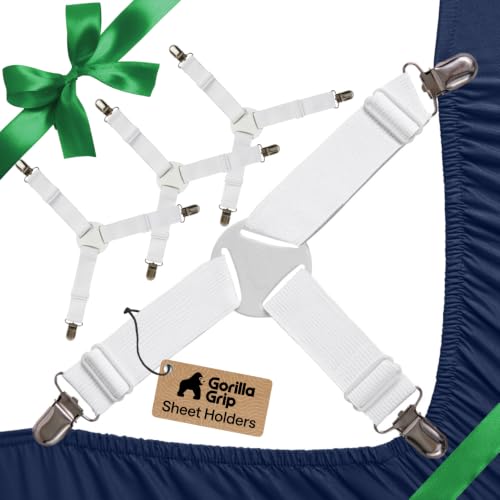
- Corner straps or bands: Some adjustable-bed sheets include adjustable corner straps or a fitted band that anchors under the mattress. These add security without feeling tight.
- Generous cut: A slightly roomier cut combined with stretch is better than an exact fit, because the sheet needs slack to accommodate bending.
If you are also upgrading the mattress itself, our reclining beds and mattresses guide explains how articulation affects mattress construction. For owners of remote-controlled frames, the remote control adjustable beds resource covers frame features that influence sheet choice.
Comparing Sheet Tiers for Adjustable Beds
Adjustable bed sheets fall into three broad tiers. The table below uses neutral market-position descriptors rather than numeric figures, so the comparison stays useful over time.
| Tier | Typical Construction | Best For | Durability Notes |
|---|---|---|---|
| Entry-level | Jersey knit or thin microfiber, corner elastic | Occasional articulation, guest rooms, first adjustable bed | Elastic may relax sooner; expect replacement within a few years with daily use |
| Mid-range | Stretch microfiber or cotton blend, all-around elastic | Daily adjustable bed use, sleepers who move a lot | Reinforced hem and better recovery; holds fit through regular washing |
| Premium | Long-staple cotton or bamboo viscose with elastic core | Hot sleepers, daily articulation, buyers who want a smooth surface | Superior breathability and elasticity retention; a long-term investment |
| Luxury | High-grade bamboo or silk-blend stretch, tailored hem | Maximum comfort, sensitive skin, premium bedroom setups | Flagship-tier construction; gentle care preserves the hand feel |
Mid-range sets are the sweet spot for most adjustable bed owners. They offer reliable all-around elastic and enough stretch to handle daily head and foot elevation without the compromises of the entry-level tier. Premium and luxury sets make sense when cooling, skin comfort, or long-term elasticity retention are priorities.
How to Put Sheets on an Adjustable Bed Without Fighting Them
- Flatten the bed first. Lower both the head and foot sections before fitting the sheet. This gives you a flat surface and prevents uneven tension.
- Start at the foot end. Tuck the bottom corners first, then work toward the head. Stretch sheets seat more evenly when you anchor the far end first.
- Smooth from the center outward. Push wrinkles toward the edges rather than pulling from the corners. This reduces stress on the elastic.
- Test the articulation slowly. Raise the head section a few inches and check that the sheet follows. If a corner lifts, the sheet is too shallow or the elastic is too weak.
- Use a mattress protector underneath. A stretch-friendly protector adds grip and protects the mattress from wear. Pairing a protector with the right sheet reduces slipping.
If you are setting up a full bedroom, our bedroom decor section includes styling ideas that work with adjustable frames. For households with limited space, the small apartment furniture guide explains how to arrange a queen adjustable bed in a compact room.
Caring for Adjustable Bed Sheets
Stretch sheets last longer when you protect their elastic. Wash in cold or warm water on a gentle cycle, and tumble dry on low. High heat breaks down spandex and weakens the elastic hem. Avoid fabric softener, which coats fibers and reduces stretch recovery. Rotate between two sets so each one has time to recover its shape between uses.
Inspect the elastic every few months. If the sheet starts lifting at the corners even when the bed is flat, the elastic has relaxed and it is time to replace the set. Keeping a spare set on hand is practical for adjustable bed owners who wash frequently.
Related Guides for Adjustable Bed Owners
Choosing sheets is one part of building a comfortable adjustable bed setup. These guides cover adjacent topics:
- Reclining beds for the elderly — safety and comfort considerations for seniors.
- Single adjustable beds for seniors — size and feature guidance.
- Sleep comfort adjustable beds — how articulation improves rest.
- Replacement legs for adjustable beds — maintenance for older frames.
- Side sleeper guide — matching sleep position to bed setup.
- Silk sheets — a premium alternative for sleepers who prefer a smooth surface.
Frequently Asked Questions
What type of sheets work best on an adjustable bed?
Stretchable fabrics with deep pockets work best. Jersey knit, microfiber blends, and purpose-made adjustable bed sheets move with the mattress instead of pulling loose when the head or foot section is raised.
Can I use regular queen sheets on an adjustable bed?
You can, but standard fitted sheets often slip off when the bed articulates. Regular sheets may work if they have extra-deep pockets and strong elastic, but purpose-built stretch sheets provide a more reliable fit.
How deep should pockets be for adjustable bed sheets?
Look for pockets of at least 15 to 18 inches to accommodate the mattress plus any topper. Stretch fabrics compensate for movement, so pocket depth and elasticity together matter more than depth alone.
Do adjustable bed sheets need special care?
Most stretch sheets are machine washable. Wash in cold or warm water and tumble dry low to preserve elasticity. Avoid high heat, which can degrade spandex and elastic over time.