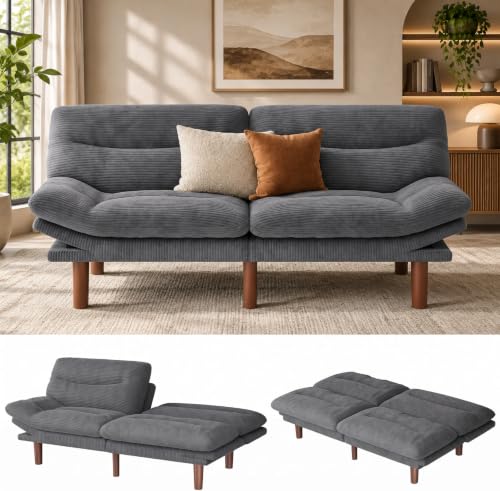
Sofa Beds for Small Rooms: The Complete Space-Saving Guide
Turn a compact living space into a versatile guest-ready retreat. Learn how to choose a sofa bed that delivers genuine comfort without overwhelming your room.
A research-backed guide for renters, studio dwellers, and anyone making every square foot count.
Why this guide matters: If you are searching for a sofa bed for a small room, you are likely balancing three priorities at once — comfortable seating, decent sleep support, and a footprint that does not swallow your living space. This guide walks you through the design types, comfort features, and practical measurements so you can buy with confidence instead of guesswork.
Understanding the Small-Room Sofa Bed Challenge
A small room rarely has the luxury of a dedicated guest bedroom. The sofa bed you choose must serve double duty every single day. The most common mistake buyers make is choosing a model that looks compact on the showroom floor but requires a large clearance zone once it unfolds. Before you browse any product listings, map out your room's real dimensions and the walking path you need to preserve.
Small rooms also tend to have limited wall space, so consider how the sofa bed will sit relative to doors, windows, and heating vents. A model that converts in place, such as a click-clack or futon design, is often easier to live with than a pull-out that requires you to move a coffee table every night. If you are specifically outfitting a studio or one-room apartment, our guide to smart solutions for studio apartments pairs well with this article.
The Main Types of Sofa Beds for Compact Spaces
Not all convertible sofas work the same way. The conversion mechanism directly affects how much floor space you need, how comfortable the sleeping surface feels, and how often you can realistically use the bed. Here is a practical breakdown of the most common designs.
1. Click-Clack Sofa Beds
Click-clack models fold flat by dropping the backrest. They are generally the most space-efficient option because they convert in a single motion and often require less rear clearance than pull-out designs. The trade-off is that the sleeping surface is typically firmer and flatter, so a mattress topper can make a meaningful difference. These are an excellent match for rooms where the sofa bed is used for occasional guests rather than nightly sleeping.
2. Futons
Futons use a hinged frame that folds from a seated position into a flat bed. They are popular in compact apartments because many models are relatively shallow and easy to reposition. A quality futon with a thicker mattress offers better support than entry-level models. For rooms that need flexible seating during the day and a bed at night, futons remain one of the most practical choices. You can explore a wider range of sofa beds and futons to compare frame styles side by side.
3. Pull-Out and Fold-Out Sofa Beds
Pull-out models hide a folding mattress inside the seat. They tend to offer better sleeping comfort than click-clack designs because the mattress is purpose-built for sleeping. However, they need clear floor space in front of the sofa when extended, which can be a real constraint in narrow rooms. If comfort for overnight guests is your top priority, a sofa bed that is actually comfortable to sleep on is worth prioritizing over a slightly smaller footprint.
4. Sofa Day Beds
A day bed works as a sofa by day and a single bed at night without any complex conversion. They are an elegant solution for narrow rooms, home offices, and guest corners. Because the sleeping surface is permanent, day beds usually offer better support than convertible mechanisms. Consider a sofa day bed if your room is more of a multi-use den than a full living room.
5. Memory Foam Sofa Beds
Models that incorporate a memory foam mattress layer deliver noticeably better pressure relief for sleepers. They are especially helpful for side sleepers and guests who stay multiple nights. The foam also reduces the "bar in the back" feeling common in older spring-based pull-outs. If you want a dedicated sleep experience, look at sofa beds with a memory foam mattress as a category worth shortlisting.
Comparing Sofa Bed Tiers for Small Rooms
Instead of thinking in terms of numbers, it helps to understand where a model sits in the market. The table below groups sofa beds by their general quality and feature tier so you can match your expectations to what each class typically delivers.
| Tier | Best For | Typical Characteristics |
|---|---|---|
| Essential tier | Occasional guest seating and short stays | Simpler frames, basic foam padding, lighter conversion mechanisms. Good value for its tier. |
| Balanced tier | Frequent guests and everyday dual use | Reinforced frames, thicker mattress layers, smoother conversion hardware, more durable upholstery. |
| Top-tier | Primary sleeping space in a compact apartment | Premium materials, high-density foam or memory foam, solid build, thoughtful space-saving engineering. |
| Luxury / flagship tier | Design-led small rooms and long-term daily use | High-grade upholstery, precision mechanisms, near-mattress sleeping comfort, refined aesthetics. |
As a general rule, moving from the essential tier to the balanced tier usually brings a noticeable improvement in conversion smoothness and sleep support. The jump to the top-tier category is most worthwhile when the sofa bed is your primary sleeping surface rather than an occasional guest solution.
Measuring Your Room Before You Buy
Accurate measurements prevent the most common small-room regret. Follow this simple checklist before you commit to any model:
- Seated footprint: Measure the width and depth of the wall where the sofa bed will sit. Leave at least 18–24 inches of clearance for walking paths.
- Extended footprint: Check the full length of the bed when it is deployed. Many pull-out models need several feet of open floor in front of the sofa.
- Door and hallway clearance: Confirm the sofa bed can physically fit through your entryway and hallway corners during delivery.
- Ceiling and window height: Avoid high-back models that block windows or feel oppressive in low-ceilinged rooms.
- Conversion direction: Determine whether the mechanism extends forward, sideways, or in place. This determines furniture placement.
If your room is tight enough that even a sofa bed feels like a stretch, it may be worth exploring space-saving beds for small rooms that offer alternative layouts such as loft or storage configurations.
Quick Comfort Check
- Test the sleeping surface with a mattress topper if the model feels firm.
- Look for breathable, easy-to-clean upholstery in high-traffic small rooms.
- Check whether the frame uses a sturdy metal mechanism rather than lightweight plastic joints.
- Prefer models with removable, washable covers if guests will use the bed regularly.
Comfort Features That Actually Matter
Sofa bed comfort is not only about the mattress. The frame, suspension, and upholstery all influence how the bed feels night after night. A reinforced frame with a solid build reduces sagging over time. High-density foam cushions hold their shape better than low-density alternatives, which matters in a small room where the sofa is used daily. If you sleep on your side, a mattress with a softer top layer can reduce shoulder and hip pressure, and you can learn more in our guide to beds for side sleepers.
Air mattress designs offer a different trade-off. They can be surprisingly comfortable for short stays, and some models pack away into very little space. Our overview of sofa beds with air mattress hide-a-beds explains where this category shines and where it falls short.
Styling a Small Room Around a Sofa Bed
A sofa bed inevitably takes visual weight in a compact room. Light or neutral upholstery helps the piece recede, while a mirrored wall or a slim console can make the space feel larger. Keep the surrounding furniture minimal and choose a smart bedside table with wireless charging to reduce cable clutter. A soft bedsheet set and a well-chosen throw can make the conversion from seating to sleeping feel intentional rather than improvised.
If you plan to pair the sofa bed with accent seating, matching chairs can unify the room. Browse sofa beds with matching chairs for coordinated options, or review the broader sofa beds and sleepers collection to see how different silhouettes fit small footprints.
Who Should Choose a Sofa Bed for a Small Room?
Sofa beds are an excellent fit for renters in compact apartments, studio dwellers who host guests occasionally, and homeowners who want a guest-ready living room without dedicating a separate bedroom. They are less ideal for people who need a dedicated, long-term sleeping surface every night, since a standard bed will usually offer better support. If nightly use is the goal, look at models in the balanced or top-tier category, and consider pairing the sofa bed with a quality mattress topper. For rooms that need a true everyday sleep solution, our article on sofa beds for every night use goes deeper into durability and support considerations.
Frequently Asked Questions
What is the best type of sofa bed for a small room?
A futon or click-clack sofa bed is often the most space-efficient choice because it converts quickly and has a compact footprint. For occasional guests, a fold-out or pull-out design with a memory foam mattress offers a comfortable balance of seating and sleeping functionality.
How can I make a sofa bed more comfortable for sleeping?
Add a high-quality mattress topper designed for sofa beds, use a breathable mattress protector, and ensure the frame provides adequate support. Look for models with memory foam or gel-infused mattresses for better pressure relief.
How do I measure a small room for a sofa bed?
Measure the wall space where the sofa will sit, the depth of the room, and the clearance needed when the bed is fully extended. Always leave at least 18 to 24 inches of walking space around the sofa bed when it is in the sleeping position.
Are sofa beds comfortable enough for daily sleeping?
Top-tier and balanced-tier models with high-density foam or memory foam mattresses can support daily sleeping. Entry-level models are better suited to occasional use. Pairing a mid-range sofa bed with a dedicated mattress topper improves nightly comfort considerably.
Final Takeaway
Choosing a sofa bed for a small room is a design decision as much as a comfort decision. Prioritize accurate measurements, pick a conversion mechanism that matches your available floor space, and invest in a tier that reflects how often the bed will be used. A well-chosen sofa bed can transform a compact room into a flexible, guest-ready space without sacrificing the comfort you need every day. Explore the recommended options below to find a model that fits your room and your routine.