
Studio Apartment Sleep Solutions & Furniture Guide
Master the art of living large in a small footprint. Discover space-saving beds, smart furniture layouts, and restful design strategies designed specifically for studio apartments.
START EXPLORINGSleepWisePicks Studio Philosophy: A studio apartment is not a compromise — it is an opportunity to design with intention. Every piece of furniture must earn its place, and your sleep zone deserves just as much care as your living area. This guide walks you through the essential decisions, from bed selection to zoning techniques, so your studio becomes a genuinely restful home.
Why Studio Apartments Demand a Smarter Approach to Sleep
Studio apartments combine the bedroom, living room, kitchen, and workspace into a single open area. This layout offers efficiency and often an excellent urban location, but it introduces a unique challenge: how do you create a genuine sense of rest when your bed sits a few steps from your kitchen counter? The answer lies in choosing the right furniture and designing deliberate boundaries between "day mode" and "night mode."
Unlike a traditional bedroom, a studio forces every purchase to do double duty. A bed is not just a bed — it is a visual anchor, a storage unit, and sometimes a seating surface. A nightstand may also serve as a side table for the sofa. Understanding this overlap is the first step toward a studio that feels calm rather than crowded.
This guide is organized around the decisions that matter most: bed type and size, mattress selection, furniture that multiplies functionality, and design strategies that create psychological separation. If you are also exploring compact sleeping arrangements for very tight footprints, our guide to small space bunk beds and space-saving beds for small rooms offers additional options worth reviewing before you commit.
Choosing the Right Bed for a Studio Apartment
The bed is the single most important purchase in a studio. It occupies the largest footprint, sets the visual tone, and determines how easily the room transitions between uses. There is no universal "best" bed for a studio — the right choice depends on ceiling height, wall placement, your daily routine, and whether you host guests regularly. Below are the main categories worth considering.
Platform Beds
Platform beds are the workhorse of studio living. Their low profile keeps sightlines open, and many designs incorporate under-bed storage that reclaims otherwise dead space. Look for models with solid slats and reinforced center supports. For a deeper dive, explore solid platform beds with no slats and solid wood platform beds with storage drawers, both of which suit studio layouts particularly well.
Storage Beds and Lift Beds
If your studio lacks a closet, a storage bed can replace an entire dresser. Lift-up mechanisms give access to a large compartment beneath the mattress, while drawer-based designs offer easier daily access. Our articles on storage beds for small spaces and storage lift beds break down the trade-offs in mechanism quality and usable volume.
Sofa Beds and Convertibles
For studio residents who frequently host overnight guests or who want a true day-to-night transformation, a sofa bed is a compelling option. Modern convertible designs have moved well beyond the uncomfortable stereotypes of the past. If comfort is your priority, read sofa beds comfortable to sleep on and sofa beds that are actually comfortable. For layouts with very limited floor area, sofa beds for small rooms and sofa beds for every-night use are especially relevant.
Murphy Beds and Wall Beds
A Murphy bed folds into the wall during the day, effectively returning your living space to you. These are an excellent choice for studios where the bed would otherwise dominate the room. The main considerations are installation requirements and mattress compatibility — a thinner, flexible mattress is usually required. Our top-rated Murphy beds guide covers the key features to evaluate.
Daybeds, Trundles, and Loft Beds
Daybeds serve as seating by day and sleeping space by night, making them a natural fit for studio living. Trundle beds add a second sleeping surface without permanent floor space. Loft beds raise the sleeping platform to free up the area underneath for a desk or seating nook. If ceiling height allows, a space-saving loft bed for small rooms can dramatically expand what your studio can do.
Quick Decision Guide: Bed Type by Studio Priority
Prioritize storage → storage bed or lift bed. Prioritize daytime living space → Murphy bed or sofa bed. Prioritize low visual footprint → platform bed or daybed. Prioritize guest flexibility → sofa bed or trundle. Prioritize a dedicated desk area → loft bed.
Mattress Selection for Studio Living
Mattress choice in a studio is shaped by two factors that rarely appear together in standard buying guides: the dimensions of your sleeping furniture and the need for temperature regulation in a multi-use room. A studio often has less air circulation than a dedicated bedroom, so overheating is a common complaint. Look for breathable covers, gel-infused foams, or hybrid constructions with coil layers that promote airflow.
Firmness should match your primary sleep position. Side sleepers generally benefit from a medium to medium-firm surface that cushions the shoulders and hips, while back and stomach sleepers usually prefer a firmer feel for spinal alignment. Our top-rated beds for side sleepers guide provides additional context on matching support to posture.
If you use a sofa bed or Murphy bed, confirm the mattress specifications before ordering — many convertible frames require a mattress within a specific thickness range. For adjustable bed owners in a studio, split configurations can be useful even in smaller sizes; see split king adjustable beds and split mattress adjustable beds for reference.
| Mattress Type | Best For | Studio Consideration |
|---|---|---|
| Memory Foam | Pressure relief, motion isolation | Choose gel-infused versions to reduce heat retention |
| Hybrid | Balanced support and airflow | Coil layer aids circulation in smaller rooms |
| Latex | Responsive feel, durability | Heavier — confirm frame weight capacity |
| Innerspring | Traditional support, breathability | Verify thickness compatibility with convertible frames |
Furniture That Multiplies Functionality
In a studio, every piece of furniture should justify its square footage. The following categories consistently deliver the best return on space.
Bedside Tables and Nightstands
A nightstand in a studio is often also the side table for your sofa or the surface for your morning coffee. Narrow and tall designs fit into tight gaps beside the bed, while smart tables add charging capability. Consider a tall narrow bedside table for slim wall gaps, or a smart bedside table with wireless charging to reduce cable clutter. If storage is the priority, a solid wood bedside table with drawers keeps essentials organized and out of sight.
Seating and Sofa Alternatives
A studio needs a place to sit that is not the bed. A compact sofa, futon, or daybed anchors the living zone and signals the transition from rest to activity. Our guides to sofa beds and futons and sofas that turn into beds cover the main styles and comfort trade-offs. For smaller footprints, sofa beds for small rooms and sofa day beds are especially space-efficient.
Beds with Integrated Storage
Storage-integrated beds eliminate the need for a separate dresser in many studios. Drawer units under the bed, lift-up platforms, and headboard shelving all serve this purpose. Explore space-saving beds with storage and tall beds with storage underneath for options that combine sleeping and storage in one footprint.
Compact and Specialty Options
For very tight studios, twin and small double beds are often the most practical choice. Our articles on small twin beds for small spaces and twin beds explain how to maximize comfort within a narrow footprint. If you occasionally need an extra sleeping surface for guests, temporary beds for sleepovers and top-rated air beds store away easily when not in use.
Zoning and Design Strategies for Restful Studios
Furniture selection is only half the equation. The other half is how you arrange the space so that your brain can distinguish between "awake" and "asleep" zones, even within a single open room. These strategies are inexpensive and highly effective.
Create Visual Boundaries
Use a rug to define the sleeping area, a bookshelf as a low room divider, or a curtain to separate the bed from the living zone. Even a subtle change in flooring material or lighting can signal a shift in function. The goal is not to build walls but to give your eye and mind clear cues about what each part of the room is for.
Control Light and Sound
Studio apartments often face streets or shared corridors. Blackout curtains help preserve melatonin production and make daytime naps possible. A white noise machine or a fan can mask ambient sound. These small investments protect your sleep quality in an environment that is harder to control than a dedicated bedroom.
Keep the Bed Zone Clutter-Free
Clutter is visually noisy, and visual noise makes it harder to wind down. Storage-integrated furniture helps, but the discipline of keeping the bed surface clear is equally important. Make the bed each morning — it takes a minute and immediately restores the "night mode" signal for the evening.
Choose a Consistent, Calming Palette
Because a studio is visually continuous, a coherent color palette reduces the feeling of chaos. Soft neutrals, muted greens, and warm woods work well and pair easily with the furniture styles discussed in this guide. Use texture — throws, pillows, bedding — to add interest without adding visual weight.
Your Studio Apartment Buying Checklist
Before you finalize any purchase, run through this checklist. It is designed to catch the mismatches that cause the most frustration in studio living.
- Measure the delivery path, not just the room. Tight stairwells and narrow doorways can block a bed frame that fits perfectly in your floor plan.
- Confirm the frame's weight capacity and assembly requirements. Solid wood and metal frames differ in how they handle load and how easily they can be disassembled for future moves.
- Verify mattress thickness compatibility if you are using a sofa bed, Murphy bed, or adjustable frame.
- Decide on your storage strategy before choosing a bed. If you need under-bed storage, prioritize lift or drawer designs from the start.
- Map your day-to-night transitions. How quickly can you convert the room from living mode to sleep mode? The easier the transition, the more consistently you will use it.
- Check the return policy and trial period for mattresses and large furniture — studios have less tolerance for a piece that does not fit.
Frequently Asked Questions About Studio Apartments
What is the best bed size for a studio apartment?
A full or queen bed is the most common choice, balancing comfort with footprint. Twin and small double beds are better for very tight layouts or single occupants. If the bed will also serve as seating, a daybed or sofa bed in a full or queen size offers more flexibility.
Is a Murphy bed better than a sofa bed for a studio?
It depends on your priorities. A Murphy bed provides a conventional mattress and better long-term sleep comfort, but requires wall installation and daily folding. A sofa bed preserves daytime seating and is easier to reposition, but mattress quality varies widely. Choose Murphy for sleep-first priority and sofa bed for living-space-first priority.
How do I separate the sleeping area from the living area in a studio?
Use visual cues rather than physical walls: a rug to mark the sleep zone, a bookshelf or curtain as a soft divider, differentiated lighting, and a consistent color scheme. The goal is psychological separation, not architectural separation.
Can I use a standard mattress in a sofa bed?
Usually no. Sofa beds and Murphy beds typically require a thinner, flexible mattress designed for folding or storage. Check the manufacturer's specifications for the compatible thickness range before ordering a replacement mattress.
How can I reduce noise and light in a studio apartment?
Blackout curtains address light, while a white noise machine, fan, or soft furnishings absorb and mask sound. Rugs and upholstered furniture also reduce echo, which makes the space feel calmer.
Recommended Studio Apartment Sleep & Space-Saving Products
⚠️ AFFILIATE DISCLOSURE: This website contains affiliate links. As an Amazon Associate, we earn from qualifying purchases. If you make a purchase through these links, we may receive a small commission at no additional cost to you. Read our full affiliate policy.

Studio Apartments: Big Ideas for Small Spaces
Check price on Amazon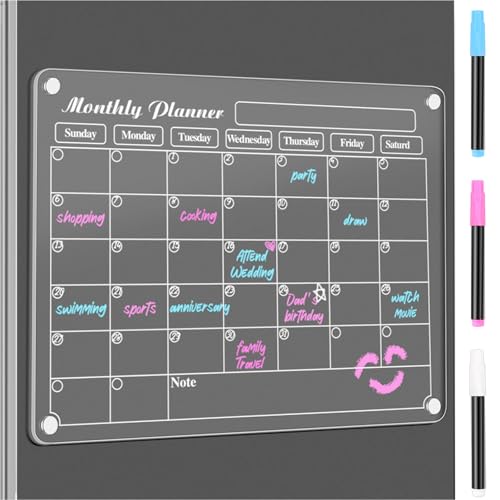
Apartment Decor Fridge Calendar Essentials House Home Kitchen Must Haves | Magnetic Acrylic Calender for Refrigerator New First Household Magnet Women Clear Small Calendar Calendario Para Refrigerador
Check price on Amazon
JOSTYLE 4 Panel Room Divider 6FT Tall Folding Privacy Screen,Black | 86"Wx69"H Partition Room Dividers freestanding wall divider panel for studio/apartment/office/bedroom/classroom/balcony/patio
Check price on Amazon
Room Divider / Privacy Screen Indoor Outdoor-4 Panel 136"W x 72"H Black | Freestanding Large 4 Panel Partition Wall with 4 Ground Stakes for Patio, Garden, Balcony, Bedroom, Studio Apartment
Check price on Amazon
Studio Apartment For Rent Sign - Business Sale 12" x 16" Metal Tin Sign Garage Man Cave Wall Decor
Check price on Amazon
Studio Apartment, Good Lighting, Angel Included, Vol. 1
Check price on Amazon