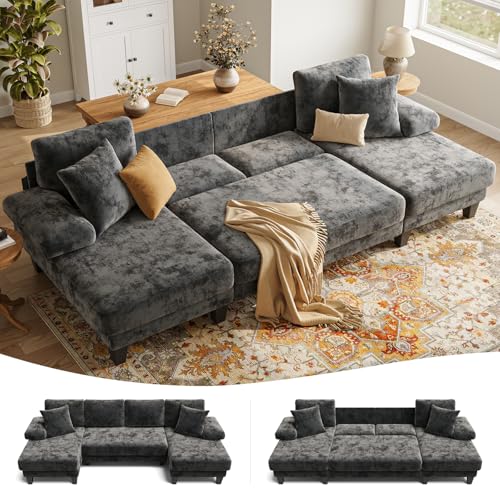
Sofa Beds & Sleepers: The Complete Buying Guide
Two pieces of furniture in one smart package. Learn how to choose a sofa bed that feels great to sit on, supports restful sleep, and fits your space — without guesswork.
Explore Sofa Bed TypesWhy this guide matters: A sofa bed is one of the most versatile pieces you can own — a living room seat by day, a guest bed by night, and a space-saving hero in studios and apartments. But not all sleepers are created equal. Mechanism quality, mattress construction, and frame materials make the difference between a good night's rest and a bar in your back. This guide walks you through every decision so you can buy with confidence.
Sofa Bed Types and How They Work
Sofa beds fall into a few broad families. Understanding the differences helps you match the product to your use case — whether that is hosting guests a few times a year, furnishing a studio apartment, or replacing a primary bed in a compact home. If you want a wider selection overview, see our guide to sofa beds and futons and the collection of sofa beds for every room layout.
Pull-Out Sofa Beds
The classic hide-a-bed. A folded mattress or platform slides out from under the seat, creating a flat sleeping surface. Mid-range and premium models use coil or memory foam mattresses and reinforced steel mechanisms that hold up to frequent use.
Click-Clack Sofa Beds
The backrest folds flat in one motion to form a bed. Simple, lightweight, and ideal for occasional guests. These are a solid choice for starter-tier setups, home offices, and spaces where the sofa doubles as a reading or lounging spot.
Futon Sofa Beds
A foldable frame paired with a single mattress that flattens from seating to sleeping. Futons are compact, easy to move, and work well in small rooms. Higher-tier futons use solid wood frames and denser cotton or foam cores for better support.
Air Mattress Sofa Beds
A built-in air mattress inflates inside the sofa frame for sleeping and deflates for storage. These are efficient for occasional use and travel-style flexibility — see the sofa bed with air mattress hide-a-beds overview for details.
Sofa Beds for Small Rooms
Twin and full sizes, slim arms, and vertical mechanisms minimize footprint. If floor space is tight, browse sofa beds for small rooms and compare against dedicated space-saving beds for small rooms.
Sofa Beds for Every Night Use
Built for daily sleeping with thicker mattresses, stronger frames, and flatter surfaces. A premium tier sleeper sofa in this category can genuinely replace a standard guest bed. See the sofa beds for every night use guide.
Mechanisms: Pull-Out, Click-Clack, Futon, and More
The conversion mechanism determines how easy the sofa is to use, how much floor space it needs, and how long it will last. Entry-level mechanisms are functional but require careful handling; mid-range mechanisms add smoother glides and reinforced joints; top-tier mechanisms feel effortless and are rated for frequent daily cycles.
| Mechanism | How It Converts | Floor Space Needed | Best For |
|---|---|---|---|
| Pull-out (hide-a-bed) | Folded mattress unfolds outward from under the seat | Large — the bed extends fully in front of the sofa | Guest rooms, living rooms, nightly sleeping with a proper mattress |
| Click-clack | Backrest folds flat to create the sleeping surface | Moderate — no forward extension beyond the seat depth | Occasional guests, home offices, starter-tier apartments |
| Futon | Frame flattens; the mattress itself forms the bed | Moderate — depends on frame length | Small rooms, minimal layouts, flexible lounging |
| Air mattress sleeper | Built-in air chamber inflates inside the frame | Low — the sofa stays in place | Occasional guests, travel-friendly flexibility |
| Trundle-style sleeper | A second sleeping surface slides or lifts out | Moderate to large | Kids' rooms, guest spaces, two-sleeper setups |
Mattress Options Inside a Sleeper Sofa
The mattress is the single biggest factor in how a sofa bed feels at night. Thickness, core material, and cover fabric all affect support, breathability, and durability. If you specifically want a body-conforming surface, review the sofa beds with memory foam mattress options before deciding.
Standard Foam Mattress
Lightweight and adequate for short stays. Works best for occasional guest use. Expect a firmer feel and a shorter useful life than premium cores.
Memory Foam Mattress
Conforms to the body, reduces pressure points, and resists sagging. A strong choice for nightly sleepers. Dense foam cores in this tier last noticeably longer than entry-level foam.
Innerspring / Coil Mattress
Bouncy, breathable, and familiar. Coil systems in mid-range and premium sleepers offer good airflow and edge support, but thin coil units can compress over time.
Hybrid Mattress
Combines foam comfort layers with coil support. The best hybrids deliver a flat, supportive surface that works for side, back, and combination sleepers alike.
Air Mattress
Stores compactly and inflates on demand. Convenient for guest overflow, but less durable and less supportive for regular sleeping. Best treated as a backup bed.
Cotton or Latex Futon Core
Dense cotton batting or latex gives futons a firm, stable feel. High-grade cores keep their shape longer; loose fills may need occasional re-fluffing.
Sleep position matters
Side sleepers benefit from a memory foam or hybrid surface that cushions shoulders and hips. Back and stomach sleepers usually do better on a firmer coil or cotton-core futon. For a deeper dive, see our stomach sleeper guide and the list of top-rated beds for side sleepers.
Comfort Factors for Sitting and Sleeping
A great sofa bed must work in two modes. Seating comfort depends on cushion density and back support; sleeping comfort depends on mattress flatness, thickness, and pressure relief. The best models balance both, while entry-level sleepers often trade one for the other.
- Seat cushion density: High-resilience foam keeps its shape longer. Low-density foam feels soft at first but flattens quickly.
- Flat sleeping surface: Look for models with a continuous platform or a mattress that fully unfolds. Bars or ridges under the back are a common complaint.
- Mattress thickness: Thicker mattresses generally sleep better, but they also reduce storage space when folded. Mid-range sleepers usually hit the sweet spot.
- Fabric breathability: Natural fibers and performance knits improve airflow and reduce heat buildup during the night.
- Armrest height: A comfortable sitting height is roughly at or slightly below shoulder level when seated.
- Back support: A slight recline and firm back cushions help posture during long sitting sessions.
Comfort is not the same as softness
Many shoppers equate a plush feel with quality. In practice, the best sleeper sofas feel supportive rather than sink-in soft. If you test a sofa in a showroom, sit on it for at least ten minutes and, if possible, lie down flat. For more on what "comfortable" really means, see sofa beds comfortable to sleep on and sofa beds that are actually comfortable.
Choosing the Right Size for Your Room
Measure twice before you buy. A sofa bed occupies two footprints: the sofa position and the extended bed position. In small apartments, the extension distance is often the limiting factor, not the sofa width.
| Size | Typical Sleeping Capacity | Footprint Notes | Best For |
|---|---|---|---|
| Twin sleeper | 1 adult or 1 child | Narrowest sofa footprint; smallest extension | Studios, home offices, kids' rooms |
| Full sleeper | 1 adult comfortably, 2 snugly | Moderate width and extension | Guest rooms, one-bedroom apartments |
| Queen sleeper | 2 adults | Widest common sleeper; needs more clearance | Living rooms, primary guest spaces |
| Sectional sleeper | 2 adults (varies) | Large footprint; modular layout | Open-plan living areas, family rooms |
For compact homes, also consider dedicated space-saving designs such as sofa beds for small rooms and small space bunk beds if you need to stack sleeping surfaces. Studios and micro-apartments can benefit from studio apartment layouts that pair a sleeper with multi-use furniture.
Build Quality, Frames, and Long-Term Durability
A sofa bed takes more mechanical stress than a standard sofa. Frame material, joint reinforcement, and mechanism grade are the three pillars of durability. Entry-level models often use particle board and light steel; mid-range models step up to hardwood frames and heavier steel; premium and commercial-grade sleepers use kiln-dried hardwood, reinforced corner blocks, and tested mechanisms rated for daily use.
- Frame material: Kiln-dried hardwood and high-grade steel are the most durable. Engineered wood is acceptable in lighter-use models but less resistant to repeated folding.
- Joint construction: Corner blocks, dowels, and screws outperform staples and glue alone.
- Mechanism rating: Look for mechanisms described as heavy-duty or rated for frequent cycles if the sofa will be used daily.
- Upholstery: Performance fabrics and tight weaves resist wear and stains better than loose, thin covers.
- Weight capacity: Always check the manufacturer's stated limits for both sitting and sleeping configurations.
- Warranty: A longer frame and mechanism warranty is a strong signal of confidence in build quality.
Think in tiers, not in numbers
Rather than comparing prices, compare tiers. An entry-level sleeper is fine for occasional guests. A mid-range model with a memory foam mattress is the practical choice for regular overnight use. A premium or luxury sleeper is a long-term investment that can serve as a primary bed in a small home. If you are shopping broadly, browse sofa beds for sale, sofa beds and futons for sale, and the wider sofas and sofa beds range.
Buying Checklist Before You Order
Use this checklist to screen candidates quickly. It covers the practical details that are easy to overlook until the sofa is already in your home.
- Measure the room in both modes. Tape out the extended bed footprint on the floor before ordering.
- Check doorway and stair access. Sofa beds are bulky; confirm the package dimensions fit your entry path.
- Confirm the mattress type. Memory foam, coil, hybrid, air, or cotton — each has a different feel and lifespan.
- Test the mechanism if possible. A smooth, controlled conversion with no binding is a good sign.
- Review the seating depth. Deep seats are comfortable for lounging but may not suit smaller rooms.
- Look for removable covers. Washable or removable covers extend the useful life of the upholstery.
- Verify the weight capacity. Check both the sitting and sleeping ratings.
- Plan for bedding storage. A sleeper sofa needs a place for sheets and blankets; consider a storage bed or a storage bench nearby.
Frequently Asked Questions
Are sofa beds comfortable for every night sleep?
Yes, but only if you choose the right model. Mid-range and premium sofa beds with memory foam or coil mattresses and a flat sleeping surface are designed for nightly use, while entry-level models are better suited to occasional guest use. Thicker mattresses and reinforced mechanisms make the biggest difference.
What is the difference between a pull-out sofa and a futon?
A pull-out sofa hides a folding or inflatable mattress inside the seat and extends outward. A futon uses a foldable frame with a single mattress that converts from seating to sleeping by flattening the back. Pull-out sofa beds generally offer better mattress support, while futons are simpler, lighter, and often better for very small rooms.
How do I choose a sofa bed for a small room?
Measure the footprint in both sofa and bed positions, choose a twin or full size instead of queen, and consider a futon or click-clack mechanism that needs less extension space. Slim arms and vertical storage also help. See sofa beds for small rooms for specific options.
What mattress type is best in a sleeper sofa?
Memory foam and hybrid coil mattresses offer the best balance of comfort and durability. Memory foam conforms to the body and resists sagging, while coil systems provide bounce and airflow. Air mattresses are an option for occasional use but are less durable for nightly sleeping.
Can a sofa bed replace a regular bed in a studio apartment?
Yes, especially a high-end tier sleeper with a memory foam or hybrid mattress. The key is to prioritize the mattress and mechanism quality over the sofa's decorative features. A premium sleeper sofa can serve as both the main seating and the primary bed in a compact home. If you need additional sleeping options, consider a top-rated pull-out sofa bed or a sofa bed for every night use.
How do I keep a sofa bed smelling fresh and clean?
Vacuum the mattress and upholstery monthly, rotate or flip the mattress if the manufacturer allows it, and use a washable cover. Air out the mattress after guests leave and avoid eating on the sofa to reduce stains. For general bedroom freshness tips, see our sleep hygiene guide.
The bottom line
A sofa bed is a practical investment in flexibility. Choose the mechanism that matches your space, the mattress that matches your sleep position, and the build tier that matches how often the bed will be used. If you keep those three factors aligned, you will end up with a sofa that seats well and a bed that genuinely rests well. For more ways to make a small space work harder, explore sofas that turn into beds and sofa hide-a-beds.