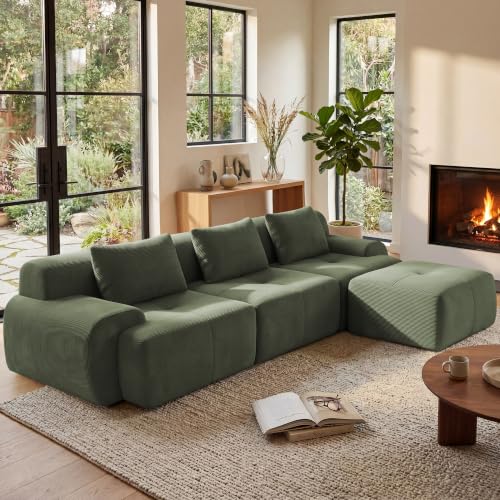
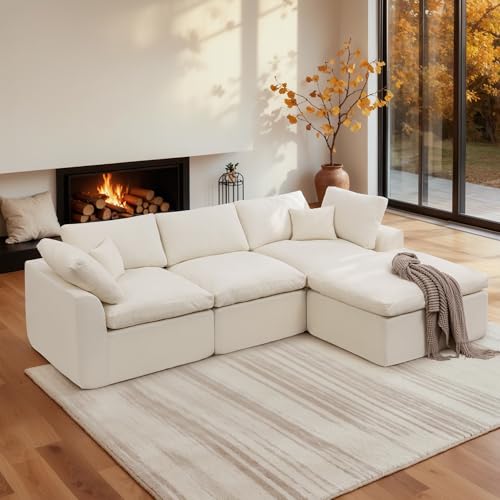
Sofas Buying Guide: Comfort, Style & Smart Choices
Everything you need to know before choosing a sofa — from frame construction and upholstery to sizing, layout, and long-term comfort. Research first, relax later.
Start ResearchingWhy this guide matters: A sofa is one of the most-used pieces of furniture in any home. It anchors the living room, supports daily relaxation, and often doubles as a guest bed. Choosing well means understanding construction, materials, and how the piece will actually be used — not just how it looks in a showroom. This guide walks you through every decision point so you can buy with confidence.
Start With How You Actually Live
Before browsing styles, define the job your sofa needs to do. A formal living room sofa has different requirements than a family-room couch that hosts movie nights, pets, and occasional overnight guests. Ask yourself:
- How many people will sit on it regularly?
- Will children or pets use it daily?
- Does it need to convert into a sleeping surface?
- Is the room a high-traffic hub or a quiet retreat?
If you need a dual-purpose piece, explore options in our guide to sofa beds comfortable to sleep on and sofa beds for every night use. If space is tight, the sofa beds for small rooms collection offers layout-friendly solutions.
Sofa Types & Configurations
The configuration you choose should match both room dimensions and seating habits. Here are the main categories worth considering:
1. Standard Sofas (Two- and Three-Seater)
The classic living-room anchor. A three-seater is the most common family choice, while a two-seater works well in apartments, offices, or paired seating arrangements. Browse the full range of sofas and sofa beds to compare formats side by side.
2. Sectionals
Sectionals offer maximum seating and define a living zone in open-plan spaces. L-shaped and U-shaped configurations work well for larger rooms. They are less flexible to rearrange but deliver strong comfort and a cohesive look.
3. Loveseats
Compact two-seaters that fit into bedrooms, reading nooks, or small apartments. Often paired with a matching chair — see sofa beds with matching chairs for coordinated sets.
4. Sofa Beds & Sleepers
Convertible designs that serve as seating by day and sleeping space by night. Key mechanisms include click-clack, pull-out, and air-mattress models. Learn more in our overview of sofa hide-a-beds and sofa bed with air mattress hide-a-beds.
5. Daybeds & Futons
Versatile pieces suited to studios, guest rooms, and multi-use spaces. See sofa day beds for options that blend seating and lounging.
Frame Construction: The Hidden Foundation
The frame determines how long a sofa stays sturdy and quiet. Look for these indicators of quality:
- Solid wood or high-grade plywood frames — more durable than particleboard or MDF in stress areas.
- Corner blocks, dowels, and screws — reinforced joinery reduces wobble over time.
- Kiln-dried hardwood — resists warping and moisture damage.
- Metal frame options — heavy-duty builds for high-use settings.
A well-built frame is a long-term investment. Entry-level frames may suffice for light use, while mid-range and premium constructions are better suited to daily family use.
Upholstery Materials Compared
Fabric choice affects durability, maintenance, and feel. Here is a practical comparison:
| Material | Best For | Durability Tier | Maintenance |
|---|---|---|---|
| Cotton / Cotton Blend | Breathable everyday comfort | Essential tier | Machine-washable covers common |
| Linen | Relaxed, textured style | Mid-tier | Wrinkle-prone; spot clean |
| Leather (Full-Grain / Top-Grain) | Long-term durability, easy wipe-down | Premium to luxury | Condition periodically |
| Faux Leather / PU | Entry-level seating, easy cleaning | Entry-level | Wipe clean; may peel over time |
| Performance Fabric (e.g., microfiber) | Homes with kids and pets | Mid-range to high-end tier | Stain-resistant, spot clean |
| Velvet | Statement pieces, formal rooms | Mid-tier to premium | Vacuum; avoid direct sunlight |
When choosing upholstery, match the material to your household reality. Performance fabrics are a smart choice for busy family rooms, while leather offers a professional-grade feel that ages well with care.
Cushion Fill & Comfort
Cushion fill drives the sit experience and how the sofa ages. Common options include:
- High-density foam — firm, supportive, retains shape well. A solid choice for daily use.
- Foam wrapped in fiber — softer feel with good recovery; balanced comfort.
- Down and feather wraps — plush, luxurious, but requires regular fluffing.
- Memory foam layers — contouring support; often found in convertible sleepers. See sofa beds with memory foam mattress.
- Spring-supported cores — traditional feel with bounce and resilience.
Seat depth also matters: deeper seats (around 22–25 inches) suit lounging, while shallower seats support upright sitting and conversation.
Sizing & Room Fit
Measure twice, buy once. Consider the following before finalizing a size:
- Doorways and hallway clearance for delivery.
- Distance from sofa to TV or coffee table (typically 18–24 inches of legroom).
- Balance with other furniture — a too-large sofa crowds a room.
- Multi-use spaces may benefit from convertible or space-saving designs.
For compact homes and studios, explore sofa beds and futons for sale and sofas that turn into beds to maximize utility per square foot.
Quality Tiers: A Neutral Comparison
Use this tier framework to compare sofas on construction and materials — independent of any specific number:
| Tier | Typical Characteristics | Best Suited To |
|---|---|---|
| Entry-level | Basic frame joinery, standard foam, lighter upholstery | Occasional use, starter homes, guest rooms |
| Mid-range | Improved frame reinforcement, denser foam, better fabrics | Daily family use, balanced comfort and durability |
| Premium | Hardwood frame, high-resilience foam, performance or leather upholstery | High-traffic living rooms, long-term ownership |
| Luxury | Kiln-dried hardwood, down-wrapped cushions, full-grain leather | Formal spaces, design-focused interiors |
Higher tiers generally offer smoother mechanisms (especially in sleepers), better shape retention, and longer service life. A mid-range model is often a solid choice for the tier-conscious buyer who wants daily durability without stepping into flagship territory.
Sleeper Mechanisms: What to Know
If your sofa needs to function as a bed, the mechanism matters as much as the frame. Common types:
- Click-clack — simple, lightweight, folds flat; best for occasional guests.
- Pull-out (innoflate or metal frame) — more supportive; check mattress thickness and mechanism smoothness.
- Air mattress sleeper — adjustable firmness, quick setup; see sofa bed with air mattress hide-a-beds.
- Memory foam sleepers — contouring comfort; see sofa beds with memory foam mattress.
For nightly sleeping, prioritize sturdy mechanisms and mattress quality over convenience features. Our sofa beds for every night use guide covers the essentials.
Placement & Layout Tips
How you position the sofa shapes the room’s flow and comfort:
- Anchor the sofa on a rug to define the seating zone.
- Leave 14–18 inches between the sofa and coffee table for comfortable movement.
- Float the sofa away from walls in open-plan spaces to create conversation areas.
- Pair with a slim console or smart table — consider a smart bedside table with wireless charging for multi-use rooms.
Frequently Asked Questions
How long should a sofa last?
A well-constructed mid-range sofa used daily typically lasts 7–10 years. Premium builds can exceed a decade with proper care. Frame quality and cushion density are the biggest factors.
Is a sectional better than a standard sofa?
It depends on room size and seating needs. Sectionals maximize seating in open spaces; standard sofas offer flexibility and easier rearrangement. For smaller rooms, a compact sofa or futon may work better.
Can a sofa bed be used for daily sleeping?
Yes, if the mechanism and mattress are designed for it. Look for reinforced frames and supportive mattress layers. See our sofa beds for every night use guide for specifics.
What upholstery is best for pets?
Performance fabrics and tightly woven microfiber resist scratching and staining better than loose weaves or velvet. Leather is also easy to wipe clean.
How do I measure for a sofa?
Measure the room’s usable width and depth, add clearance for walking paths, and check delivery routes (doorways, stairwells). Account for legroom around coffee tables.
Ready to Compare Real Options?
Our curated selection below features sofas across multiple tiers and configurations — from compact loveseats to convertible sleepers.
View Recommended Sofas