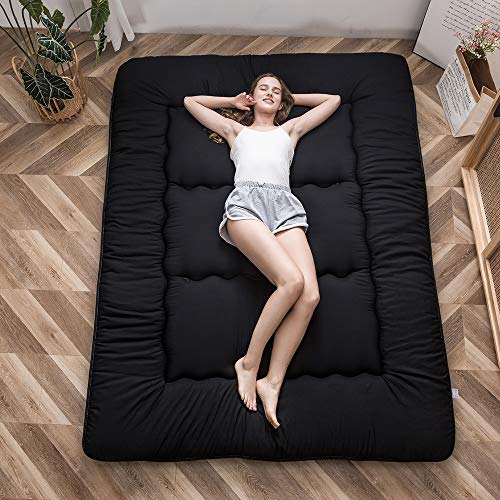
Japanese Tatami Beds & Floor Mattresses
Embrace minimalist comfort with traditional tatami beds, floor futons, and zen-inspired bedroom essentials. Discover the art of low-profile sleep.
Explore Tatami MatsWhy Tatami? Tatami beds and floor sleeping systems offer a unique blend of tradition, health benefits, and space-saving design. Ideal for small apartments, guest rooms, or anyone seeking a minimalist aesthetic.
What Is a Tatami Bed System?
A tatami bed typically consists of a low wooden or metal frame that holds one or more tatami mats (woven rush straw) topped with a shikibuton (Japanese floor mattress) or a modern futon. Unlike Western beds, tatami beds sit close to the floor, promoting a grounded, calming atmosphere. They are highly popular in small apartment furniture and studio apartments due to their compact footprint.
Many people choose tatami for its health benefits: the firm, even surface supports natural spinal alignment, while the breathable rush grass helps regulate humidity and temperature. Tatami also adds a subtle, earthy fragrance to your bedroom, enhancing relaxation.
Key Components of a Tatami Bed
🪵 Tatami Frame
Low-profile wooden or metal base that lifts the mat slightly off the floor. Available in various finishes to match your decor.
🧶 Tatami Mats
Traditional rush grass mats (Igusa) with a rice straw core. Eco-friendly, durable, and naturally antimicrobial.
🛏️ Shikibuton / Futon
Thick cotton or foam mattress designed to be placed directly on the tatami mat. Foldable for easy storage.
🧺 Bedding & Linens
Use lightweight sheets and linens that complement the minimalist aesthetic. Cotton or linen blends work best.
Choosing the Right Tatami Bed
When selecting a tatami bed, consider the size of your room and the number of sleepers. Standard sizes include Single (3' x 6.5'), Semi-Double (4' x 6.5'), and Double (4.5' x 6.5'). For larger spaces, you can combine multiple mats. Always measure your floor space and check the tatami mat dimensions before purchasing.
Frames come in various materials: solid wood (pine, oak, or walnut) offers durability and a warm look; metal frames are lighter and often more affordable. Some frames include built-in under-bed storage drawers, maximizing utility in small bedroom solutions.
For the mattress, shikibuton (traditional cotton futon) provides a firm, breathable sleep surface. If you prefer more cushioning, choose a futon with a foam core or a memory foam mattress topper for added comfort. Prices for a complete tatami bed system range from $600–$1,800 depending on materials and size.
Styling Your Tatami Bedroom
Create a serene retreat with low-profile furniture, soft ambient lighting, and natural textures. Pair your tatami bed with a Japanese-style bedside table and a pedestal bedside table to keep essentials within reach. Use neutral tones—beige, olive, charcoal—and add a touch of greenery for a calming effect.
For window treatments, opt for navy blue curtains or light filtering shades to control natural light. A small bedside table set of 2 can provide extra surface space without crowding the room. If you have a master bedroom, consider a larger tatami platform to anchor the space.
Many enthusiasts also incorporate outdoor rugs with a jute or cotton weave near the bed to add warmth underfoot. And for those who love a bohemian touch, a macrame swing bed or hanging chair can complement the tatami aesthetic.
Tatami Care & Maintenance
Tatami mats require occasional care to maintain their beauty and longevity. Vacuum regularly with a soft brush attachment to remove dust. Avoid direct sunlight, which can fade the rush grass. Wipe spills immediately with a dry cloth—do not use water or cleaning solutions that can damage the straw core.
Rotate your shikibuton every few weeks to ensure even wear. Air it out in a well-ventilated area to prevent moisture buildup. With proper care, a quality tatami bed can last 10–15 years, making it a sustainable investment for your sleep environment.
Frequently Asked Questions
Is a tatami bed good for back pain?
Yes, the firm, even surface supports natural spinal alignment, which can alleviate pressure points and reduce back pain. Many people with chronic back issues prefer tatami over soft spring mattresses.
Can I use a regular mattress on a tatami frame?
Yes, but for the best experience, use a shikibuton or a thin futon. Thick Western mattresses may not allow the tatami mat to breathe properly, potentially leading to mold.
How do I assemble a tatami bed frame?
Most frames come with clear instructions and require basic tools. If you need extra guidance, check our how-to assemble a bed frame guide.
Are tatami beds suitable for couples?
Absolutely. Choose a Double or Queen-sized tatami bed (available in some collections). Many couples enjoy the spacious, low-profile design and the quiet, motion-isolating sleep surface.
Ready to transform your sleep space? Explore our curated selection of tatami beds, mats, and accessories below. Each product is handpicked for quality, durability, and authentic Japanese design.