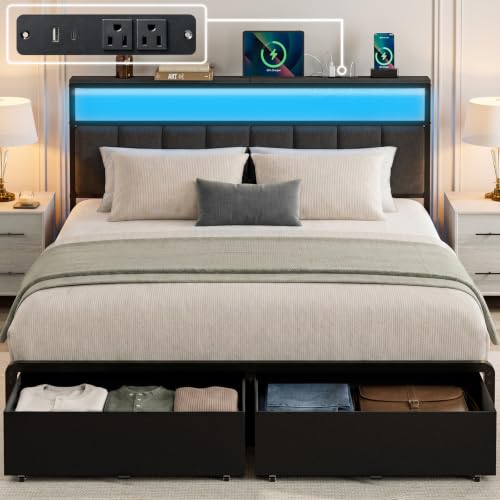
Base Beds: The Complete Foundation Guide
Discover how the right base bed transforms your mattress into a supportive, durable, and restful sleep system. Compare platform bases, box springs, adjustable foundations, and more.
EXPLORE BASE TYPESWhy a base bed matters: A mattress is only as good as the foundation beneath it. The right base bed distributes weight evenly, extends mattress lifespan, improves airflow, and supports proper spinal alignment. Whether you are upgrading a guest room or building a full sleep sanctuary, understanding base bed options is the first step toward a smarter purchase.
What Is a Base Bed?
A base bed is the structural platform that sits between your mattress and the floor. It elevates the mattress to a comfortable height, provides a stable surface for sleep, and often incorporates design or functional features such as storage drawers, adjustable positioning, or slatted ventilation. Unlike a decorative bed frame with a headboard, a base bed focuses on support and function — though many modern designs blend both roles seamlessly.
Choosing the right base bed depends on your mattress type, sleeping position, room layout, and long-term durability needs. A well-matched base protects your mattress warranty, prevents sagging, and contributes to better sleep hygiene by promoting airflow and moisture control.
Types of Base Beds Explained
Platform Base Beds
Essential TierPlatform bases feature a solid or slatted surface that directly supports the mattress without a box spring. They are stable, low-maintenance, and compatible with foam, latex, and hybrid mattresses. Slatted versions promote airflow and are a solid choice for humid climates.
Box Spring Bases
Mid-TierTraditional box springs use a coil or spring system inside a fabric cover to absorb shock and add height. They work well with innerspring mattresses and can extend the life of older mattress designs. Modern low-profile versions suit thicker mattresses.
Adjustable Bed Bases
PremiumAdjustable bases let you raise the head, foot, or both sections for reading, watching TV, or health-related positioning. They are ideal for seniors, people with back pain, and anyone who wants customizable comfort. Many models include massage and USB ports.
Slatted Foundations
Balanced TierSlatted foundations use wooden or metal slats spaced closely together to support the mattress while allowing air circulation. They are a reliable middle ground between solid platforms and box springs, and they suit most mattress types.
Storage Base Beds
High-End TierStorage bases integrate drawers or lift-up mechanisms to maximize bedroom space. They are especially useful in small apartments or guest rooms. Look for reinforced hardware and smooth-glide runners for long-term reliability.
Heavy-Duty Base Beds
Commercial-GradeBuilt with reinforced steel or hardwood, heavy-duty bases support higher weight capacities and frequent use. They are a worthwhile investment for larger sleepers, adjustable setups, or households that frequently rearrange furniture.
Base Bed Comparison at a Glance
| Base Type | Best For | Support Style | Tier |
|---|---|---|---|
| Platform Base | Foam, latex, hybrid mattresses | Solid or slatted, even weight distribution | Essential Tier |
| Box Spring | Innerspring mattresses, added height | Spring-based shock absorption | Mid-Tier |
| Adjustable Base | Seniors, back pain, reading in bed | Articulating head and foot sections | Premium |
| Slatted Foundation | Most mattress types, airflow needs | Closely spaced slats with ventilation | Balanced Tier |
| Storage Base | Small rooms, apartments | Solid support with built-in drawers | High-End Tier |
| Heavy-Duty Base | Larger sleepers, frequent use | Reinforced frame, high weight capacity | Commercial-Grade |
How to Choose the Right Base Bed
Selecting a base bed is about matching three variables: your mattress type, your sleeping habits, and your room. Use the following checklist to narrow down your options:
- Match the base to your mattress: Memory foam and latex mattresses need a solid or closely slatted surface to prevent sagging. Innerspring mattresses pair well with box springs or flexible slatted bases.
- Consider height and accessibility: A higher base is easier for seniors and people with mobility concerns. Lower platforms suit minimalist bedrooms and low-profile mattresses.
- Check weight capacity: Standard bases handle typical adult weights, but heavy-duty and commercial-grade models are safer for larger sleepers or shared beds.
- Plan for airflow: Slatted bases and ventilated platforms reduce moisture buildup and help mattresses stay fresh longer.
- Think about storage: If floor space is limited, a storage base with drawers or a lift-up mechanism can replace a dresser or chest.
- Verify warranty compatibility: Many mattress manufacturers require a specific base type to keep the warranty valid. Always check the fine print before pairing a new mattress with an existing base.
For a deeper walkthrough of mattress pairing, explore our bed buying guide and the full mattress buying guide.
Base Beds by Mattress Type
Not every base bed works with every mattress. Here is a practical breakdown to help you avoid mismatches:
- Memory foam mattresses: Use a solid platform or a slatted foundation with slats no more than 2–3 inches apart. Avoid box springs, which can cause foam to sag unevenly.
- Innerspring mattresses: Pair with a box spring or a flexible slatted base that absorbs motion and supports the coil structure.
- Hybrid mattresses: A platform or slatted foundation is usually the safest choice; check the manufacturer's recommendation for slat spacing.
- Latex mattresses: Solid platforms or closely spaced slats provide the firm, even support latex needs to perform well.
- Adjustable mattresses: Use a base designed for adjustability, such as an adjustable bed base or a compatible platform with a flexible hinge zone.
If you are still deciding on the mattress itself, our mattress size chart and mattress comparisons can help you narrow down the right fit.
Specialized Base Beds for Every Need
Base beds are not one-size-fits-all. Certain sleepers and rooms benefit from purpose-built designs:
- For seniors and accessibility: Adjustable bases and higher platforms make it easier to get in and out of bed. Browse our guides on adjustable beds for seniors and adjustable beds for senior citizens.
- For back pain: Adjustable bases with head and foot articulation can reduce pressure on the lower back. See adjustable beds for back pain for targeted recommendations.
- For small spaces: Storage bases, low-profile platforms, and alternative beds for small spaces help maximize limited floor area.
- For heavy sleepers: Heavy-duty and commercial-grade bases offer reinforced frames and higher weight capacities. Explore adjustable beds for heavy people if adjustability is also a priority.
- For adjustable mattress owners: Ensure your base is compatible with your mattress's flex points. Our bed frames for adjustable beds guide covers compatible options.
Durability, Materials, and Build Quality
Base beds take on constant weight and movement, so build quality matters more than surface appearance. When evaluating a base, look for:
- Frame material: High-grade steel and solid hardwood are the most durable choices. Engineered wood and thinner metals are common in entry-level designs but may flex over time.
- Joint construction: Reinforced corner joints, welded brackets, and bolted connections reduce squeaks and wobble.
- Slat thickness and spacing: Thicker slats with closer spacing provide better support and are less likely to bow under weight.
- Finish quality: Rust-proof finishes and sealed wood surfaces resist moisture and wear, especially in humid bedrooms.
- Weight rating: A higher weight capacity is a reliable indicator of overall sturdiness. Heavy-duty and commercial-grade models are built for long-term, high-use environments.
For a broader look at frame compatibility, see our bed frame comparison and bed frames for memory foam beds.
Sizing and Space Planning
Base beds follow standard mattress dimensions, but the surrounding frame can add several inches on each side. Before buying, measure your room and account for:
- Mattress size: Twin, full, queen, king, and California king each have distinct footprints. Confirm your mattress size before selecting a base.
- Frame overhang: Decorative bases may extend beyond the mattress, which can be a trip hazard in tight rooms.
- Clearance: Allow at least 24 inches of walking space around the bed where possible.
- Headboard and footboard: Some bases include built-in headboards; others require a separate frame. Plan the full assembly before ordering.
If you are still comparing sizes, our bed frame overview and platform beds guide offer practical dimension details.
Related Guides and Recommendations
Final Buying Tips Before You Decide
Frequently Asked Questions
What is a base bed?
A base bed is the structural foundation beneath a mattress that provides support, elevation, and often additional functions such as storage or adjustability. Common types include platform bases, box springs, adjustable bases, and slatted foundations.
Do I need a box spring with a platform bed?
No. Platform beds are designed with a solid or slatted surface that directly supports the mattress, so a box spring is not required and may actually reduce comfort and airflow.
Which base bed is best for a memory foam mattress?
A solid platform base or a closely spaced slatted foundation is ideal for memory foam mattresses, as it provides even support and prevents sagging.
How long does a base bed last?
A well-built base bed typically lasts 8 to 15 years depending on materials, construction quality, and usage. Heavy-duty and commercial-grade bases tend to last longer.
Can I use an adjustable base with any mattress?
Not all mattresses are compatible with adjustable bases. Memory foam and some hybrid mattresses flex well, while traditional innerspring mattresses may not. Always check the mattress manufacturer's guidance before pairing an adjustable base with a new or existing mattress.