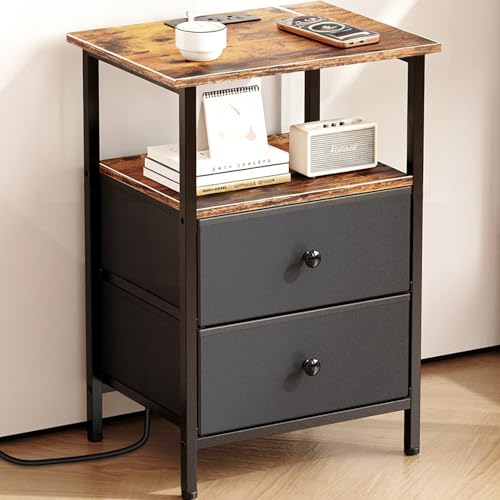
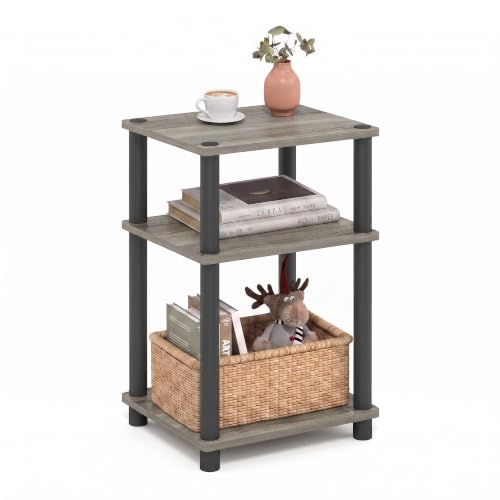
Bedside Table Without Drawers: The Complete Guide
Everything you need to know about open nightstands — designs, materials, placement tips, and how to choose the perfect drawerless bedside table for a clean, calm, and functional sleep space.
Explore Top PicksWhy Choose a Bedside Table Without Drawers?
A bedside table without drawers — often called an open nightstand or drawerless bedside table — has become a favorite among people who value a clean, uncluttered bedroom. Unlike traditional nightstands with enclosed storage, an open design keeps your essentials visible and within reach while reducing visual bulk beside the bed.
These tables are especially popular in modern, minimalist, and small-space bedrooms. They pair naturally with bedside tables of all kinds, and they work well alongside a bed frame of nearly any style. If you are still deciding on the overall setup of your sleep space, our guide to beds and bed frames is a helpful starting point.
- Uncluttered look: No drawer fronts or handles means a cleaner, more streamlined silhouette.
- Easy access: Grab your book, glasses, or phone without opening anything.
- Better airflow: Open designs allow air to circulate, which can help with dust and humidity.
- Lighter footprint: Ideal for small rooms and compact bedrooms where every inch counts.
- Design flexibility: Open nightstands often blend better with varied decor styles, from Scandinavian to industrial.
Quick tip: If you need a little concealed storage but still want an open feel, consider a bedside table with shelves above or a pull-out shelf design.
Popular Designs & Styles of Drawerless Bedside Tables
The market offers a wide range of open nightstand styles. Understanding the most common designs helps you match your table to your bedroom's aesthetic and your daily routine.
Open Shelf Nightstand
A simple frame with one or two open shelves. Great for stacking books and keeping a lamp on top.
C-Shaped Table
Slides over the bed for lap-level access. Perfect for reading, breakfast in bed, or working from bed.
Pedestal & Round Tables
Compact round or pedestal bases that take up minimal floor space — ideal for tight layouts.
Wire & Metal Frames
Lightweight, airy, and easy to move. Often mid-range or entry-level in construction.
Floating Wall-Mounted
Wall-mounted shelves or brackets save floor space and create a modern, floating look.
Nesting & Stacked
Two or three tables that nest together — flexible for guests or changing needs.
For a more refined look, explore our gold bedside table collection or the black and gold bedside table options. If you prefer a dark, moody aesthetic, a black bedside table without drawers can anchor the room beautifully.
Materials & Durability: What to Look For
Because open nightstands expose their structure, material quality is more visible than on drawer-heavy designs. Here is how common materials compare:
- Solid wood: Durable and long-lasting. A premium or high-end tier choice that ages well and can be refinished.
- Engineered wood (MDF/particleboard): Common in mid-range and entry-level tables. Look for sealed edges and sturdy joinery.
- Metal (steel or aluminum): Often used for frames and legs. High-grade steel with a rust-proof finish offers excellent durability.
- Glass tops: Easy to clean and visually light. Pair with sturdy frames to avoid wobble.
- Wicker & rattan: Adds texture and warmth. Best for low-traffic spots and lighter use.
Whichever material you choose, check the weight capacity and stability. An open table with a single central pedestal can be less stable than a four-leg design, especially if you keep a heavy lamp or stack of books on top.
Durability check: Look for reinforced joints, anti-slip feet, and a weather-resistant or rust-proof finish on metal parts. These small details separate a solid build from a flimsy one.
Choosing the Right Size for Your Bedside Table
Size is one of the most important factors when selecting a bedside table without drawers. A table that is too tall can block your reach; one that is too small may look lost beside a large bed.
- Height: The tabletop should sit roughly level with your mattress top or slightly below — usually within a few inches.
- Width: Aim for a table that is not wider than your bed's headboard area. A typical nightstand is 16–24 inches wide.
- Depth: 14–18 inches is usually enough for a lamp, a book, and a phone.
- Clearance: If your table has legs, ensure enough floor clearance for easy cleaning.
For tight spaces, a bedside table for small bedrooms or a height-adjustable bedside table may be the best fit. If you have an adjustable bed, see our guide to a bedside table for adjustable beds.
Placement & Bedroom Layout Tips
Where you place your open nightstand affects both function and the overall feel of the room. Keep these guidelines in mind:
- Leave at least 2–3 inches between the table and the wall for easy cleaning and cable routing.
- Keep the table within arm's reach when lying in bed — usually within 12–18 inches of the mattress edge.
- Use a table with a built-in charger or power outlets to reduce cable clutter on an open surface.
- Pair with a bedside reading light or bedside lamp that complements the open, airy look.
- If floor space is tight, a swivel-top table or a wall-mounted option can work well.
For a cohesive look, consider matching your nightstand with the rest of your bedroom decor and the bed frame you already own. If you have a hospital-style bed at home, our guide to a bedside table for hospital beds offers specialized advice.
How to Stay Organized Without Drawers
Going drawerless does not mean going disorganized. With a few smart habits, an open bedside table can stay tidy and functional:
- Use small baskets or trays to corral keys, glasses, and chargers.
- Limit what you keep on top to three or four daily essentials.
- Add a lower shelf bin for books or slippers.
- Route cables neatly with clips or a cable box.
- Choose a table with a hidden drawer if you need a little privacy — see our hidden drawer bedside table guide.
- Rotate seasonal items so clutter does not build up.
If you need more storage, consider a bedside table with storage or a drawer-and-shelf combination. For a completely different approach, a bedside cabinet shelf can add both open and closed storage.
Design Comparison: Which Open Nightstand Fits You?
Use this comparison to match the design to your needs. The "Tier" column reflects market positioning, not any specific currency.
| Design Type | Tier | Best For | Key Consideration |
|---|---|---|---|
| Open Shelf Nightstand | Entry-level to mid-range | Books, lamps, everyday essentials | Check shelf weight limits |
| C-Shaped Table | Mid-range | Reading, working from bed | Stability on carpet |
| Round Pedestal Table | Mid-range to premium | Small bedrooms, tight corners | Base footprint |
| Wire / Metal Frame | Entry-level | Light use, easy mobility | Rust-proof finish |
| Wall-Mounted Floating | Mid-range | Zero floor space | Proper wall anchoring |
| Solid Wood Open Table | Premium to luxury | Long-term investment, classic style | Finish and joinery quality |
Frequently Asked Questions
Is a bedside table without drawers practical for everyday use?
Yes. An open nightstand keeps daily items visible and easy to grab. Many people find it more practical than a drawer because there is no searching or opening. The key is to limit what you place on top and use small trays or baskets for organization.
What height should a drawerless bedside table be?
The tabletop should sit roughly level with your mattress top or within a few inches of it. This makes it easy to reach a lamp, phone, or glass of water while lying in bed.
Can I use a bedside table without drawers in a small bedroom?
Absolutely. Open designs are often the best choice for small rooms because they have a lighter visual footprint. A round pedestal table or a wall-mounted shelf can save significant floor space. See our guide to bedside tables for small rooms for more ideas.
How do I keep an open nightstand from looking cluttered?
Use small baskets, trays, or a cable box to group items. Keep only three or four daily essentials on the surface, and use a lower shelf bin for anything else. Choose a table with a hidden storage compartment if you need occasional concealment.
What is the difference between an open nightstand and a drawerless bedside table?
They refer to the same concept: a bedside table with no enclosed drawers. Some open nightstands have shelves, others have a flat top and a lower shelf, and some are simple C-shaped tables. The term "drawerless" simply emphasizes the absence of drawers.
Are metal wire bedside tables durable?
Entry-level wire tables are lightweight and best for light use. Mid-range and premium metal tables with high-grade steel and a rust-proof finish offer much better durability. Check the weight capacity and joint quality before choosing.
Related Reading
If you are building a complete bedside setup, these guides may help:
- Bedside Table: The Complete Buying Guide
- Bedside Table with Shelves Above
- Bedside Table with Pull-Out Shelf
- Bedside Table with Swivel Top
- Bedside Tables Set of 2
- Bedside Table Adjustable Height
- Bedside Table with Charging Station
- Bedside Table with LED Light
- Bedside Tables Black and Wood
- Bedside Table with Wicker Drawers