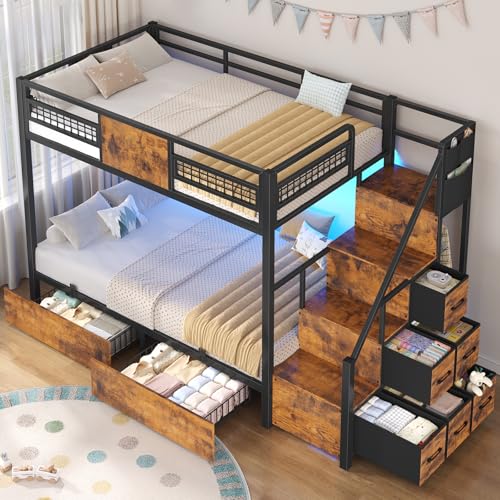
Bunk Beds Twin Over Twin: The Ultimate Buying Guide for Space-Saving Comfort
If you're looking to maximize floor space without compromising on sleep quality, a twin over twin bunk bed is one of the smartest furniture investments you can make. Whether you're furnishing a shared kids' bedroom, a vacation cabin, a dorm room, or a guest suite, this classic configuration delivers two comfortable sleeping surfaces within the footprint of a single twin bed. In this comprehensive guide, we'll walk you through everything you need to know before choosing a twin over twin bunk bed—from frame materials and safety standards to mattress compatibility and style considerations.
Shoppers researching this category typically already know they want a bunk bed; the challenge is narrowing down the options and understanding which features actually matter. This guide is designed to answer those lingering questions and give you the confidence to make a well-informed decision.
Quick Summary: Twin over twin bunk beds are ideal for rooms with limited square footage. Prioritize solid construction, safety rails on the top bunk, and a weight capacity that matches your intended users. Metal frames offer durability and streamlined profiles, while wooden frames provide warmth and a more traditional aesthetic.
What Is a Twin Over Twin Bunk Bed?
A twin over twin bunk bed consists of two twin-sized sleeping platforms stacked vertically. The bottom bunk sits at floor level or slightly elevated, while the top bunk is supported by a sturdy frame and accessed via a ladder or built-in stairs. This configuration is the most common bunk bed size, largely because twin mattresses are widely available, versatile, and proportionate to the frames on the market.
Unlike loft beds—which typically feature a single raised bed with space underneath for a desk or storage—bunk beds are designed to sleep two people in the same vertical footprint. For families with children sharing a room, or for households that frequently host guests, this is an efficient and practical solution.
Key Benefits of Twin Over Twin Bunk Beds
Understanding the advantages helps clarify why this furniture category remains so popular. Here are the primary benefits:
- Space Efficiency: Two sleeping areas occupy the footprint of one. This is especially valuable in smaller bedrooms, urban apartments, or cabins where floor space is at a premium.
- Versatility: Twin over twin bunks suit children, teenagers, and even adults, provided the frame is rated for the intended weight.
- Guest-Ready: A single bunk bed can accommodate two guests without the need for a separate guest room.
- Design Flexibility: Available in metal, wood, and upholstered finishes, bunk beds can be styled to match nearly any bedroom decor.
- Encourages Organization: Many models include built-in storage, such as under-bed drawers or shelving, helping to keep the room tidy.
Safety First: What to Look For
Safety is the most important consideration when purchasing any bunk bed, particularly if children will be using it. The following features should be non-negotiable:
Guardrails on the Top Bunk
A properly designed top bunk must have guardrails on all four sides, with a gap of no more than a few inches between the rail and the mattress surface. This prevents accidental rolls and falls during sleep. Look for rails that are securely bolted—not just hooked—to the frame.
Sturdy Ladder or Stairs
The access point should be stable and easy to use. Ladders should be attached firmly to the frame and feature flat, non-slip rungs. For younger children or individuals with mobility concerns, consider models with built-in stairs, which often include handrails and can double as storage.
Weight Capacity and Frame Integrity
Always check the manufacturer's stated weight capacity for both the top and bottom bunks. Heavy-duty models with reinforced slats and high-grade steel or solid wood construction offer greater longevity and safety. Avoid frames with thin, flimsy slats or those that wobble when assembled.
Certifications
In the United States, look for bunk beds that meet ASTM F1427 standards and carry a Juvenile Products Manufacturers Association (JPMA) certification if intended for children. These certifications indicate the product has been tested for structural integrity, entrapment hazards, and other safety concerns.
Comparing Frame Materials
The material of your bunk bed frame affects durability, aesthetics, and maintenance requirements. Here's a breakdown of the most common options:
| Material | Best For | Key Characteristics |
|---|---|---|
| Metal (Steel/Alloy) | Durability, modern aesthetics, high-traffic use | Heavy-duty, rust-resistant finishes, streamlined profiles, often available in multiple color options |
| Solid Wood (Pine, Oak, Maple) | Traditional style, warmth, long-term investment | Natural grain patterns, sturdy construction, may require occasional tightening and refinishing |
| Engineered Wood (MDF, Particleboard) | Entry-level options, painted finishes | Uniform surface, budget-conscious tier, generally lighter weight but less durable than solid wood |
| Upholstered | Soft aesthetics, cozy bedrooms | Fabric-covered frame elements, adds texture and comfort, requires fabric care and cleaning |
Size and Space Planning
A standard twin mattress measures approximately 38 inches wide by 75 inches long. A twin over twin bunk bed frame will be slightly larger to accommodate the mattress and frame structure. Before purchasing, measure your room carefully, accounting for the following:
- Ceiling Height: Ensure there's adequate clearance between the top bunk and the ceiling—typically at least 30 to 36 inches for comfortable sitting up.
- Floor Space: Leave enough room around the bed for safe access to the ladder and for general movement.
- Door and Window Placement: Avoid blocking windows or placing the bed directly in front of a door.
- Mattress Thickness: Check the manufacturer's recommended maximum mattress height for the top bunk to ensure guardrails remain effective.
For very tight spaces, consider a bunk bed designed for low ceilings, which reduces the overall height of the structure while still providing two sleeping surfaces.
Popular Configurations and Features
The market offers a wide variety of twin over twin bunk beds, each with unique features. Some of the most sought-after configurations include:
Bunk Beds with Stairs
Instead of a traditional ladder, these models feature a staircase that provides safer, more comfortable access to the top bunk. Many stair designs incorporate built-in drawers or cubbies, adding valuable storage. For a broader selection, explore twin size bunk beds with stairs to see how this feature can elevate both safety and functionality.
Bunk Beds with Storage
Under-bed drawers, shelving units, and trundle compartments extend the utility of a bunk bed. If you're looking to maximize organization, consider models with storage stairs or heavy-duty bunk beds with storage solutions.
Convertible and Separable Designs
Some twin over twin bunks can be separated into two freestanding twin beds, offering flexibility as needs change over time. These convertible bunk beds are particularly useful for growing families or multi-purpose rooms.
Styles for Different Aesthetics
From white twin bunk beds with stairs that brighten a room to modern full-over-full designs for those who need extra sleeping width, the style options are extensive. If you prefer a more traditional look, wooden models with a natural finish or painted white can blend seamlessly with classic bedroom decor.
Mattress Considerations for Bunk Beds
Not all mattresses are suitable for bunk beds. The top bunk, in particular, requires a mattress that is neither too thick nor too soft. A mattress that exceeds the recommended height can render guardrails ineffective, and an overly soft mattress may compress under weight, creating gaps. Look for firm or medium-firm mattresses with good edge support, and always verify the manufacturer's mattress height recommendations for your specific bunk bed model.
Additionally, consider the weight of the mattress itself. Foam and hybrid mattresses are generally easier to maneuver onto a top bunk than heavy innerspring models. If you're replacing an older mattress, our guide on when to replace your mattress can help you decide whether it's time for an upgrade.
Twin Over Twin Bunk Beds for Adults
While bunk beds are often associated with children's rooms, adult-rated models are increasingly common. These heavy-duty frames are engineered to support higher weight capacities and often feature reinforced slats, thicker metal gauges, or solid wood construction. If you're furnishing a dorm, a vacation home, or a small apartment, an adult-rated twin over twin bunk bed is a practical choice. For more space-conscious options, explore queen size bunk beds for adults if you need additional sleeping width.
Assembly and Maintenance Tips
Proper assembly is critical for safety. Follow the manufacturer's instructions carefully, and use all provided hardware. Periodically check that bolts and screws remain tight, especially in households with active children. For metal frames, inspect for signs of rust or wear; for wooden frames, check for splintering or loose joints. Keeping the bed clean and free of clutter also reduces the risk of accidents.
Frequently Asked Questions
What is the weight limit for a twin over twin bunk bed?
Weight limits vary by model. Entry-level frames may support around 200 pounds per bunk, while heavy-duty and commercial-grade models can support significantly more. Always check the manufacturer's specifications for both the top and bottom bunks.
Can adults sleep on a twin over twin bunk bed?
Yes, provided the frame is rated for adult weight. Look for models explicitly designed for adults, which typically feature reinforced construction and higher weight capacities.
How much clearance is needed above the top bunk?
A minimum of 30 to 36 inches of clearance between the top mattress and the ceiling is recommended for comfortable sitting and safe movement.
Are bunk beds safe for young children?
Bunk beds are generally not recommended for children under six years old due to the risk of falls. For older children, ensure the bed meets safety certifications and that guardrails are secure.
Can I use any mattress on a bunk bed?
No. The top bunk requires a mattress that does not exceed the manufacturer's recommended height, and firmer mattresses are generally safer because they resist compression.
Final Thoughts
Choosing the right twin over twin bunk bed comes down to balancing safety, durability, and the specific needs of your household. Prioritize frames with solid construction, secure guardrails, and clear weight ratings. Whether you're outfitting a children's bedroom or maximizing space in an adult living area, a well-chosen bunk bed can serve your family for years.
Ready to explore your options? Browse our curated selection of top-rated twin over twin bunk beds below, and take the next step toward a more organized, space-efficient bedroom.
Find Your Perfect Twin Over Twin Bunk Bed
Explore our recommended models featuring sturdy frames, safety rails, and space-saving designs.
View Top Picks