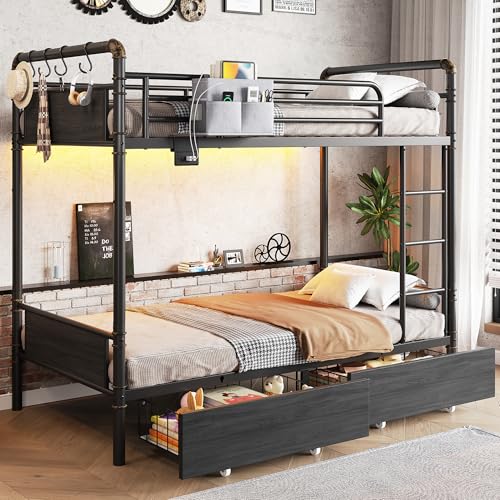
Bunk Beds with Ladder: The Complete Buyer's Guide
Space-saving sleep solutions with safe, sturdy ladder access. Learn how to choose the right bunk bed with ladder for your family, room layout, and long-term comfort.
Start ExploringWhy bunk beds with ladder matter: A well-built bunk bed with ladder turns a single room into two comfortable sleeping spaces without eating up floor area. This guide walks you through ladder types, frame materials, safety features, mattress compatibility, and practical setup tips so you can buy with confidence.
What Is a Bunk Bed with Ladder?
A bunk bed with ladder is a stacked sleeping system where the upper berth is accessed by a detachable or fixed ladder. Unlike models that use built-in stairs, a ladder version keeps the footprint narrow, which makes it a smart fit for shared kids' rooms, guest rooms, vacation cabins, and small apartments. The ladder usually hooks securely onto the top rail, and many designs let you reposition it on either side of the frame.
Ladder-style bunks come in several configurations, from classic twin-over-twin setups to full bunk beds and models with storage built into the base. If you need extra sleeping capacity, you can also explore bunk beds with trundle underneath that hide a third mattress during the day.
Types of Ladders on Bunk Beds
The ladder is the most-used part of the bed, so its design deserves close attention. Here are the main styles you will encounter:
- Hook-on ladder: The most common style. It hangs on the top rail and can be removed when not needed. Look for wide hooks that grip the rail firmly.
- Fixed or bolt-on ladder: Permanently attached to the frame. It feels more stable but cannot be moved to the other side.
- Angled ladder: Leans outward for a more comfortable climbing angle. Great for younger children and easier on the feet.
- Vertical ladder: Sits flush against the bed, saving the most space. Best for older kids and teens.
- Ladder with anti-slip treads: Flat, textured steps instead of round rungs. These reduce foot fatigue and improve grip.
If you want a fun option for younger children, a bunk bed with ladder and slide adds a play element while keeping the same compact footprint. Families who prefer easier access may want to compare ladder models with bunk beds with stairs.
Key Safety Features to Check
Safety is the single most important factor when buying a bunk bed with ladder. The upper bunk is elevated, so the frame, guardrails, and ladder must all work together to prevent falls.
Bunk Bed Ladder Safety Checklist
- Full-length guardrail on the top bunk with no gap wider than a few inches
- Ladder hooks that lock onto the rail and cannot slip sideways
- Anti-slip treads or textured rungs on every step
- Ladder weight rating that matches the heaviest intended user
- No sharp edges or exposed bolts near the climbing path
- Frame certified to current bunk bed safety standards
- Top bunk reserved for children aged six and older
Guardrails on both the top and bottom bunks add extra security, especially for younger sleepers. You can learn more in our guide to bunk beds with rails on top and bottom.
Frame Materials and Build Quality
The material of the frame determines how stable the ladder feels and how long the bed lasts. Here is how the common options compare:
| Frame Material | Tier | Best For |
|---|---|---|
| Solid wood (pine, oak, birch) | Premium to luxury | Long-term family use and classic bedroom styles |
| Engineered wood with laminate | Mid-range | Clean modern looks and reliable everyday use |
| Powder-coated steel | Entry-level to mid-range | Heavy-duty support and slim profiles |
| Metal and wood combination | Mid-range to premium | Warm aesthetics with reinforced structure |
Heavy-duty metal frames often come with reinforced ladder mounts, while solid wood frames tend to feel warmer and quieter. Whichever you pick, check that the ladder attachment points are metal-reinforced rather than screwed directly into thin panels.
Choosing the Right Size and Layout
Bunk beds with ladder come in a range of size combinations. The right choice depends on who will sleep in the room and how much space you have:
- Twin-over-twin: The classic choice for kids' rooms and guest spaces.
- Full-over-full: More room for teens and adults. See bunk beds with full on top and bottom.
- Full-over-twin: A flexible mix for siblings of different ages. Compare bunk beds with full on bottom and twin on top.
- Queen-over-queen: A premium option for adult guest rooms.
Measure ceiling height before buying. As a rule of thumb, leave at least 30 to 36 inches of clearance between the top mattress and the ceiling, and check that the ladder has enough floor space to angle out safely.
Storage and Multi-Function Options
A bunk bed with ladder does not have to be purely functional. Many models add storage under the lower bunk or alongside the ladder:
- Bunk beds with drawers for clothing and toys
- Bunk beds with storage underneath for larger items
- Bunk beds with desk for homework and study zones
- Bunk beds with lots of storage for shared rooms
If the room doubles as a study or play area, a desk-and-storage setup keeps the floor clear and the ladder unobstructed.
Mattress Compatibility
The mattress you pair with a bunk bed affects both comfort and safety. Thick mattresses can push above the guardrail, while very thin ones may sag. Most manufacturers recommend a mattress between six and eight inches thick, with a firm feel that holds its shape. Foam and hybrid mattresses work well because they do not need a box spring. Always confirm the maximum mattress height in the product manual before ordering.
Ready to compare real options? Explore our hand-picked bunk beds with ladder below.
View RecommendationsSetup, Placement, and Maintenance
Proper assembly and placement make a ladder bunk safer and more comfortable:
- Assemble on a flat surface and follow the manual's bolt sequence.
- Place the bed away from ceiling fans, windows, and heavy wall decor.
- Position the ladder so it does not block a doorway or walkway.
- Re-tighten all hardware after the first week of use, then every few months.
- Inspect the ladder hooks and treads regularly for wear.
If you are still mapping out the room, our guides to bunk beds with space underneath and bunk beds with nothing underneath can help you plan the layout.
Who Should Choose a Bunk Bed with Ladder?
Ladder bunks are ideal for families with children aged six and up, teens sharing a room, and guest rooms that need flexible sleeping space. They are also a practical choice for vacation homes and small apartments. If you need easier access for younger children or seniors, a stair-style model may be a better fit. And if you want a playful touch, the bunk beds with slide option combines a ladder with a fun exit route.
Frequently Asked Questions
Are bunk beds with ladder safe for young children?
They are generally safe when the top bunk is used by children aged six and older, provided the bed has full-length guardrails, a securely hooked ladder, and a frame that meets current safety standards.
What is the ideal mattress thickness for a bunk bed with ladder?
Six to eight inches is the sweet spot. Thicker mattresses can rise above the guardrail, and very thin ones may feel uncomfortable. Check the manufacturer's maximum mattress height.
Should I choose a ladder or stairs for a bunk bed?
Ladders save floor space and suit older children and teens. Stairs are easier for younger children and can include storage. For tight rooms, a ladder model is the more compact option.
How do I maintain a bunk bed ladder?
Check the attachment points and hardware every few months, tighten loose bolts, replace worn anti-slip treads, and wipe the rungs clean. Keeping the ladder firmly hooked prevents wobbling.
Final Thoughts
A bunk bed with ladder is one of the most efficient ways to add sleeping space without sacrificing floor area. Prioritize safety features, choose a frame material that matches your room's style and expected use, and measure your ceiling and floor space before buying. With the right model, a ladder bunk can serve your family comfortably for years.
This guide is for informational purposes. Always review the manufacturer's assembly instructions and safety warnings before use.