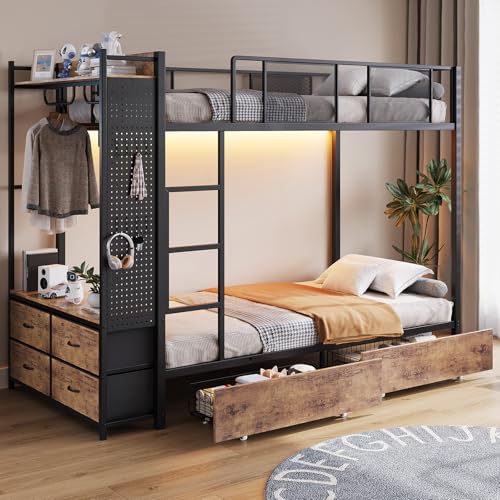
Bunk Beds With Lots of Storage: The Complete Space-Saving Guide
Maximize every square foot of your bedroom with bunk beds that combine sleeping space and serious storage. Compare drawer systems, staircase compartments, wardrobe modules, and under-bed options before you choose.
Explore Storage Bunk BedsWhy storage bunk beds make sense: In a shared bedroom, guest room, or compact home, floor space is the most valuable asset. A bunk bed with integrated storage removes the need for a separate dresser, keeps clutter out of sight, and turns a single footprint into a complete sleep-and-organize station. This guide walks you through the storage types, safety considerations, tier differences, and practical buying checks so you can decide with confidence.
What Counts as a Bunk Bed With Lots of Storage?
A storage bunk bed is any stacked sleeping frame that includes built-in compartments, drawers, shelves, or wardrobe sections. The storage can live in several places: under the lower bunk, inside the staircase, beside the frame as a detached-but-matching module, or even in the headboard and footboard. The best designs integrate storage without compromising the structural integrity of the sleeping platforms.
Most shoppers searching for bunk beds with lots of storage are trying to solve one of three problems: too little closet space, too much visible clutter, or a need to combine a bed with a study or dressing area. A well-chosen model can address all three at once, especially when the storage is organized by function rather than simply bolted on.
- Drawer banks under the lower bunk for clothing and everyday items.
- Staircase storage with deep steps that open or slide out.
- Under-bed compartments for luggage, bedding, or seasonal gear.
- Wardrobe or shelving units attached at the end or side of the frame.
- Combination layouts that pair drawers with stairs or a dresser module.
Storage Types Compared: Which Layout Fits Your Room?
Under-Bed Drawers
Drawers are the most accessible storage type. They slide out from beneath the lower bunk, so you can reach clothing, toys, or linens without climbing or moving furniture. Look for metal glides rather than plastic tracks if the drawers will see daily use. For rooms where the lower bunk sits close to a wall, confirm that the drawers open on the side you can actually access.
Staircase Storage
Stairs are safer than ladders for younger children, and the step volume can be converted into hidden storage. Some designs use open cubbies, while others use drawers or lift-up lids. Staircase storage is excellent for books, toys, and shoes, but it adds depth to the frame. Measure the room carefully before committing, because stairs typically extend further into the floor plan than a standard ladder.
Wardrobe and Dresser Modules
If clothing storage is the priority, a bunk bed with a matching dresser or wardrobe gives you a coordinated solution. These modules can be attached to the frame or placed beside it, and they often include hanging space, shelving, and drawers in one unit. This is the layout to consider when the bedroom has no built-in closet.
Full-Size and Specialty Layouts
Larger families and guest rooms often need more than one sleeping surface plus storage. Full-over-full and full-over-twin designs provide roomier bunks, while trundle options add a third sleeping spot without eating into storage space. If you need a desk as well, a loft-style or desk-under-bunk configuration keeps study and sleep zones separate.
Tier Comparison: What Changes as You Move Up
Storage bunk beds fall into broad quality tiers. Rather than shopping by number, compare the construction, hardware, and storage finish at each tier. The table below summarizes what you can typically expect.
| Tier | Construction | Storage Features | Best For |
|---|---|---|---|
| Entry-level | Lighter metal or composite frame; basic slats | Simple drawers or open cubbies; plastic or basic metal glides | Occasional use, guest rooms, first bunk bed |
| Mid-range | Reinforced steel or solid wood frame; denser slats | Drawer banks, staircase cubbies, smoother glides, finished interiors | Daily use, shared kids' rooms, long-term family setups |
| Premium | High-grade steel or hardwood; commercial-style joinery | Wardrobe modules, deep staircase storage, soft-close hardware, matching dressers | Primary bedrooms, multi-child rooms, buyers wanting a long-term investment |
| Luxury / professional-grade | Heavy-duty frame, premium finishes, tested weight ratings | Full wardrobe integration, configurable modules, custom storage layouts | High-traffic homes, rental properties, design-led interiors |
Across all tiers, the most important differences are the drawer hardware, the stability of the upper bunk, and whether the storage modules are structurally integrated or simply attached. A mid-range model with well-finished drawers often outperforms a premium frame with poorly fitted storage in everyday use.
Safety Checks Before You Buy
Storage adds convenience, but it should never come at the expense of safety. Run through these checks for any bunk bed with lots of storage:
- Guardrails on the upper bunk: Full-length rails on both sides, with no gap wide enough to trap a limb or head.
- Stable ladder or staircase: Secure attachment, anti-slip steps, and a handhold that supports the user's weight.
- Weight limits: Confirm the upper and lower bunk capacities separately, and account for the storage contents.
- Drawer stops: Drawers should not pull fully free unless designed to do so, and they should not tip the frame when loaded.
- Secure module attachment: Wardrobe and dresser units must be anchored to the frame or wall to prevent tipping.
- Surface finish: Smooth, rounded edges and non-toxic finishes are especially important in children's rooms.
If the bunk bed will be used by younger children, prioritize stair access over ladders and choose a frame with clearly stated age recommendations. For older children and adults, a reinforced upper bunk with a high weight rating is the key consideration.
Matching the Bed to Your Room and Routine
The right storage layout depends on how the room is used. A shared kids' room benefits most from drawers plus staircase cubbies, because those handle daily clothing and toys. A guest room or small apartment may do better with a full-over-full frame and under-bed compartments for linens and luggage. A teen's room often needs a desk plus wardrobe, which points toward loft-style or desk-integrated designs.
Measure the room before choosing: the frame footprint, the drawer extension depth, the staircase projection, and the ceiling height needed for comfortable use of the upper bunk. Storage bunk beds are space-efficient, but they still need clearance to function. Also think about which side of the bed faces the wall, since that determines which drawers and compartments remain accessible.
How to Organize the Storage Once It Arrives
Storage capacity is only useful if it is organized. A simple system works best: assign the lower-bunk drawers to the person sleeping below, the staircase cubbies to shared items like books and toys, and the wardrobe or dresser module to clothing. Label drawers if multiple children share the bed, and keep heavy items in the lowest compartments to preserve stability.
Use breathable storage bins inside deep compartments to keep bedding fresh, and avoid overloading drawers beyond their glide rating. Seasonal items such as extra blankets or off-season clothing fit well in under-bed compartments, while daily-use items belong in the drawers closest to the sleeping area. A quick weekly reset keeps the system working long after the novelty wears off.
For rooms that need even more flexibility, consider a bunk bed that pairs storage with a trundle or a convertible lower section. These layouts let the bed adapt as children grow or as guests arrive.
Frequently Asked Questions
What type of storage is most practical in a bunk bed?
Are storage bunk beds safe for children?
Can storage bunk beds fit in small rooms?
How much weight can the upper bunk usually hold?
Do storage bunk beds require assembly?
Explore Related Bunk Bed Guides
Still comparing layouts? These focused guides cover specific storage configurations and sleeping arrangements in more detail.