Bunk Beds With Drawers: The Complete Buying Guide
Maximize space and stay organized with smart storage bunk beds. Learn which drawer configurations, materials, and safety features matter most.
VIEW TOP PICKSWhy choose a bunk bed with drawers? A bunk bed with drawers combines two of the most valuable bedroom features: vertical sleeping space and concealed storage. Instead of letting the area under the bottom bunk go unused, built-in drawers turn that zone into a functional wardrobe, toy chest, or linen closet. For families with growing children, shared rooms, or compact apartments, this design delivers organization without sacrificing floor space. In this guide, we break down drawer configurations, frame materials, safety standards, and the key questions buyers ask before committing to a purchase.
Key Benefits of Bunk Beds With Drawers
Space Efficiency
By stacking sleeping areas vertically and embedding storage below, these beds free up wall and floor space for play, study, or movement. This is especially valuable in rooms shared by siblings or in multi-purpose guest rooms.
Built-In Organization
Dedicated drawers keep clothing, toys, bedding, and personal items out of sight. Unlike open shelving, drawers protect contents from dust and help maintain a tidy appearance with minimal effort.
Cost-Effective Furniture Solution
A single bunk bed with drawers often replaces the need for a separate dresser or storage chest. This consolidation reduces the number of furniture pieces required to furnish a bedroom.
Adaptable to Changing Needs
Many drawer-equipped bunk beds can be separated into two standalone beds or configured with the drawers on either side. This flexibility extends the useful life of the furniture as children grow or room layouts change.
Common Drawer Configurations
Understanding the different drawer layouts helps you match storage capacity to your actual needs. Most models fall into one of these categories:
Under-Bed Drawer Units
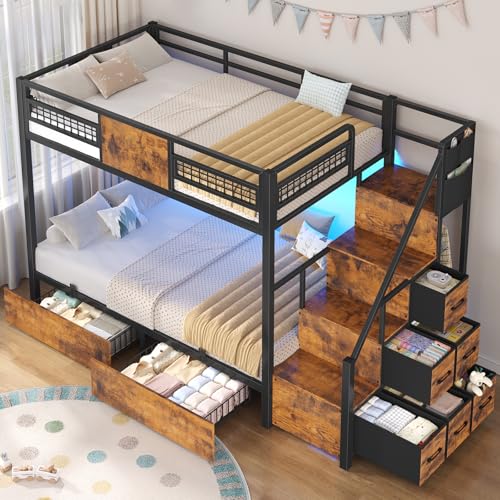
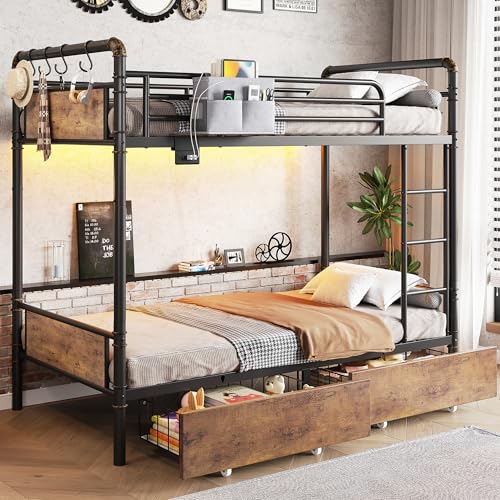
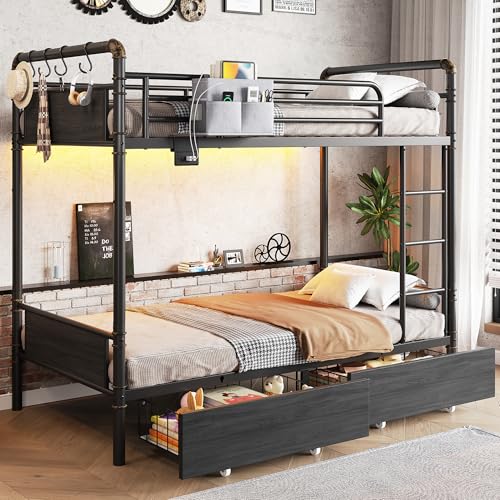
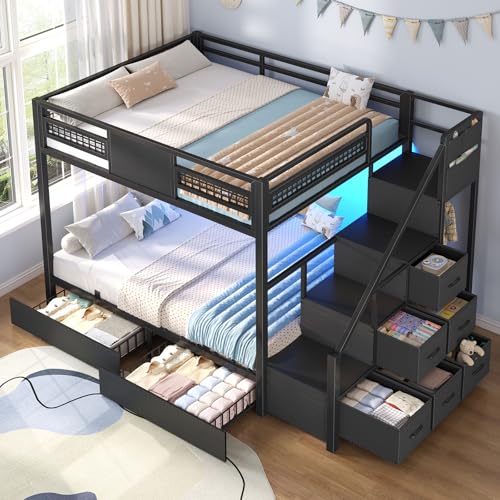
These are the most common configurations, featuring two to four drawers positioned beneath the bottom bunk. They typically run the full length of the bed and may be accessible from one or both sides. Roller glides or metal tracks ensure smooth operation.
Side-Access Drawers
Some designs place drawers along the side of the frame rather than underneath. This layout works well when the bed sits against a wall on one side, as it keeps the drawers reachable from the open side of the room.
Staircase Drawers
Instead of a ladder, some bunk beds feature a staircase with each step doubling as a drawer. This provides safe access to the top bunk while adding incremental storage space—ideal for smaller items like socks, books, or accessories.
Combination Drawer & Trundle
Certain models pair drawers with a pull-out trundle bed, offering both storage and an extra sleeping surface. This hybrid approach is useful for guest rooms or sleepovers, though it reduces drawer depth.
Materials and Construction Quality
The frame material directly affects durability, weight capacity, and long-term performance. Here is a comparison of the most common options:
| Material | Durability | Weight Capacity | Best For |
|---|---|---|---|
| Solid Wood (pine, oak, rubberwood) | High; resists warping and holds screws well over time | High | Long-term use, adult sleepers, classic bedroom styles |
| Engineered Wood (MDF, particleboard) | Moderate; can chip or swell if exposed to moisture | Moderate | Light-duty use, children's rooms, budget-conscious setups |
| Metal (steel, iron) | High; resistant to cracks and pests | High | Modern or industrial aesthetics, high-traffic households |
| Metal + Wood Hybrid | High; combines structural strength with visual warmth | High | Contemporary interiors, buyers wanting the best of both materials |
When evaluating construction, examine the drawer glides (metal ball-bearing tracks outperform plastic rollers), the thickness of the frame slats, and the quality of the hardware. A reinforced base and corner brackets are signs of a well-engineered product.
Safety Features to Verify
Safety should never be secondary, especially when the bed is intended for children. Use this checklist before finalizing any purchase:
- Full-length guardrails on the top bunk, positioned at least 5 inches above the mattress surface.
- Sturdy ladder or staircase that attaches securely to the frame and does not wobble during use.
- Drawer stops or locks to prevent drawers from rolling open unexpectedly and creating a tripping hazard.
- Anti-tip kit included or recommended by the manufacturer for anchoring the bed to the wall.
- Weight capacity ratings clearly stated for both the top and bottom bunks, as well as for the drawers.
- Non-toxic finishes and low-VOC paints or stains, particularly for children's furniture.
Mattress Compatibility and Sizing
Bunk beds with drawers are available in twin-over-twin, full-over-full, twin-over-full, and queen-over-queen configurations. The top bunk typically requires a thinner mattress—usually between 6 and 8 inches—to maintain the correct guardrail height. Bottom bunks often accept standard mattress thicknesses, but verify the manufacturer's maximum to avoid exceeding the drawer or frame clearance. Memory foam and hybrid mattresses work well on bunk beds because they do not require a box spring and conform to the slat support system. If you plan to use the bed for adults, confirm that the frame's weight capacity and drawer construction are rated for adult use.
Ready to Explore Your Options?
Our curated selection of bunk beds with drawers includes models across entry-level, mid-range, and premium tiers. Compare storage layouts, frame materials, and safety features to find the right fit for your bedroom.
CHECK AVAILABILITYFrequently Asked Questions
What are the benefits of bunk beds with drawers?
Bunk beds with drawers maximize vertical space while providing hidden storage for clothing, toys, and linens. They are ideal for shared bedrooms, small apartments, and guest rooms where floor space is limited.
Are bunk beds with drawers safe for children?
Yes, when properly assembled and used according to manufacturer guidelines. Look for models with full-length guardrails, sturdy ladder attachments, and safety certifications. Drawers should have smooth-glide mechanisms that do not protrude into walkways.
What mattress thickness works best for bunk beds with drawers?
Most bunk beds with drawers accommodate mattresses between 6 and 8 inches thick on the top bunk to maintain guardrail height. The bottom bunk often supports standard mattress thicknesses. Always check the manufacturer's recommended maximum.
Can adults use bunk beds with drawers?
Many bunk beds with drawers are designed with weight capacities suitable for adults, particularly full-over-full and queen-over-queen configurations. Check the weight rating and frame material—heavy-duty metal and solid wood models are best for adult use.
Related Guides
Explore more storage-focused and configuration-specific bunk bed guides:
- Bunk Beds With Storage Drawers — a closer look at drawer-specific storage models.
- Bunk Beds With Storage — compare drawers, shelving, and other storage solutions.
- Bunk Beds With Lots of Storage — for maximum organization in shared rooms.
- Bunk Beds With Storage Underneath — under-bed configurations beyond drawers.
- Bunk Beds With Dresser — when a dresser unit is preferable to individual drawers.
- Bunk Beds With Dressers Built In — integrated dresser designs for streamlined storage.
- Bunk Beds With Matching Dresser — coordinated bedroom furniture sets.
- Bunk Beds With Stairs — staircase access with optional step storage.
- Bunk Beds With Ladder — classic ladder-access bunk bed options.
- Bunk Beds — return to the complete bunk bed guide for all configurations.