Chairs That Convert Into Beds: The Complete Guide
One piece of furniture, two essential functions. Learn how convertible sleeper chairs work, which mechanisms suit your room, and how to choose a model built for real daily use.
START THE GUIDEWhy convertible chairs matter: In a studio apartment, home office, guest room, or den, floor space is precious. A chair that converts into a bed lets you keep a comfortable seat for daytime living and still offer a proper place to sleep at night — without dedicating an entire room to a guest bed. This guide explains the mechanisms, build details, and practical trade-offs so you can buy with confidence.
What Are Chairs That Convert Into Beds?
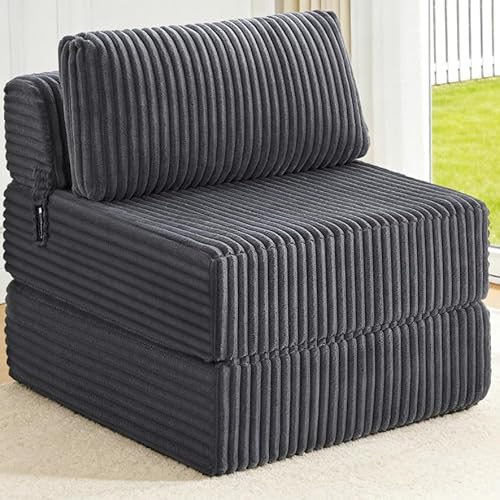
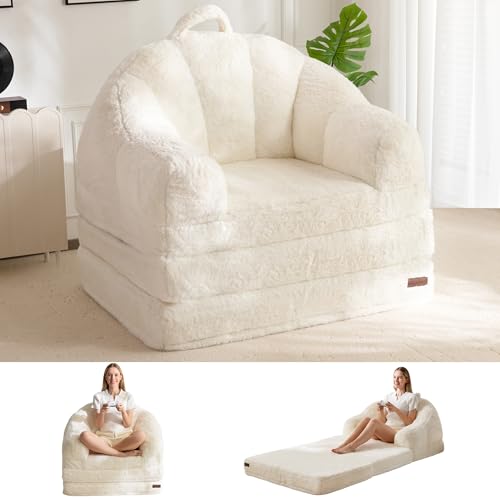
A chair that converts into a bed — often called a sleeper chair, convertible chair, or chair bed — is an upholstered seating piece engineered with a folding, sliding, or pop-up mechanism that unfolds into a flat sleeping surface. Unlike a traditional sofa bed, these pieces are compact, typically seating one person during the day and sleeping one person at night.
Most models fall into two broad families. Fold-out chairs lay their backrest flat while the seat extends forward, creating a single sleeping platform. Pull-out or pop-up chairs hide a folded mattress frame beneath the seat that slides or flips out into position. Both approaches deliver the same core benefit: a dual-purpose seat that saves significant floor area.
If you are furnishing a compact room and want to compare this category with broader alternatives, our guide to chairs that can turn into beds covers additional layouts and styling considerations, while the fold-into-bed chair overview focuses specifically on folding designs.
Types of Convertible Sleeper Chairs
Each design serves a different room and a different sleeper. The tier labels below describe market positioning and build quality, not any specific figure.
Fold-Flat Chair Beds
The backrest reclines fully flat while the seat cushion extends forward. Simple hinged construction, lightweight frames, and easy operation make these a solid starter option for occasional guest use.
Pull-Out Sleeper Chairs
A folded mattress and frame are stored under the seat and slide out on casters or rails. These offer a thicker sleeping surface than fold-flat designs and are well-specified for regular overnight guests.
Pop-Up Convertible Chairs
The seat flips forward and the backrest drops to reveal a concealed mattress platform. Compact footprint when closed, and a genuinely flat sleep surface when open — a balanced choice for studios.
Twin Sleeper Chairs
Built around a true twin-size sleeping surface with reinforced frames and higher-density foam. Ideal when the chair doubles as a primary guest bed. See our twin convertible chair guide for sizing detail.
Recliner-Style Convertibles
Combine a reclining back, extendable footrest, and a full lay-flat position. Heavy-duty mechanisms and premium upholstery make these a long-term investment for daily use.
Adult-Size Convertible Chairs
Oversized frames with deeper seats and longer sleeping platforms designed for adult bodies. Reinforced joints and commercial-grade hardware support frequent conversion. Explore adult convertible chairs.
How the Conversion Mechanisms Work
Hinged fold-flat mechanism
The simplest system: a hinge at the base of the backrest lets it rotate down until it meets the seat plane, while a front section unfolds to extend the length. Fewer moving parts mean fewer failure points, which is why entry-level and mid-range models often use this design. The trade-off is that the sleeping surface is usually thinner.
Slide-out frame with concealed mattress
A metal frame carrying a folding foam or innerspring mattress is tucked under the seat. Pulling a handle slides the frame outward, and the mattress unfolds flat. These tend to feel more like a real bed because the mattress has proper thickness and support layers.
Pop-up and flip-over systems
The seat cushion lifts and rotates forward, revealing a mattress platform beneath. Some designs use a counterbalanced lift so the conversion takes one motion. Good pop-up systems hold their position firmly in both modes, which matters if the chair is used daily.
Recliner-to-flat conversion
Motorized or manual recliner mechanisms extend to a full horizontal position. These are the most comfortable as seating and typically use the most robust hardware, making them the top-tier choice when the chair is a primary seat.
Comparing Convertible Chair Types
| Type | Tier | Best For | Sleep Surface | Conversion Effort |
|---|---|---|---|---|
| Fold-Flat Chair Bed | Entry-Level | Occasional overnight guests, dorms | Thin, firm | Low — one hinge motion |
| Pull-Out Sleeper Chair | Mid-Range | Regular guest use, small apartments | Medium thickness, supportive | Moderate — slide and unfold |
| Pop-Up Convertible Chair | Mid-Range | Studios and multi-use rooms | Flat, consistent | Low — single flip motion |
| Twin Sleeper Chair | Premium | Primary guest bed, adult sleepers | True twin size, thick | Moderate — frame extension |
| Recliner-Style Convertible | Premium | Daily seating plus regular sleep | Full lay-flat, padded | Low — powered or lever |
| Adult-Size Convertible Chair | High-End | Adult sleepers needing full length | Oversized, reinforced | Moderate — heavy-duty frame |
What to Check Before You Buy
Measure the sleeping length, not just the seat
The critical dimension is the flat sleeping length once converted — not the closed footprint. Adult sleepers generally need a platform that accommodates their full height with a little margin. Check the open length, open depth, and the clearance needed behind the chair for reclining or sliding mechanisms.
Inspect the frame and joint hardware
A convertible chair is only as good as its mechanism. Look for reinforced steel joints, high-grade steel rails on slide-out models, and solid build quality at the hinge points. Heavy-duty hardware is the single best indicator of how the chair will hold up after hundreds of conversions.
Evaluate the mattress layer
Fold-flat chairs rely on the seat cushion itself as the sleep surface, so density matters. Pull-out and pop-up designs use a dedicated mattress — often high-density foam — which generally sleeps better over multiple nights. If you want to upgrade comfort afterward, a mattress topper can add pressure relief to a thinner platform.
Match upholstery to real use
In a guest room or den, performance fabrics and removable covers simplify maintenance. In a living area, upholstery becomes a design decision as much as a practical one. Consider how the chair's color and texture will sit alongside the rest of the room.
Think about placement and clearance
Leave room in front of the chair for the conversion footprint and behind it for the backrest recline. In tight rooms, a pop-up chair that converts in place is often easier to live with than a slide-out model that needs forward clearance.
- Confirm the flat sleeping length suits the intended sleeper
- Check the weight capacity and frame material
- Test or review the conversion mechanism for smoothness
- Verify the mattress thickness and foam density
- Measure clearance for the open footprint
- Look for removable, washable covers
- Check warranty coverage on the mechanism specifically
Where Convertible Chairs Work Best
Studio apartments. A sleeper chair replaces both a lounge seat and a guest bed, which is exactly the kind of space-saving logic that makes small units livable. Pair it with a compact bedside table that doubles as a side table during the day.
Home offices and dens. The chair serves as a reading seat during working hours and converts for overnight visitors. This is where mid-range pull-out models shine, since they balance seating comfort with a genuinely flat sleep surface.
Guest rooms with limited floor area. When a full bed would crowd the room, a twin sleeper chair keeps the space usable year-round. For rooms that need to host more than one guest, compare with bunk beds with a trundle underneath, which add a second sleeping position vertically.
Teen and young adult rooms. A convertible chair gives a teenager a hangout seat and gives the household a spare bed for friends. Durable, easy-to-clean upholstery is the priority here.
Reading corners and sunrooms. A recliner-style convertible becomes the best seat in the house by day and a nap-ready surface on demand. Add a ceiling light with a dimmer to make the corner usable in the evening.
Related Furniture Categories Worth Comparing
Convertible chairs sit at the intersection of seating and sleeping furniture. Depending on your room and how many people you need to host, one of these adjacent categories may fit better:
- Chairs that fold out into single beds — a focused look at single-sleeper folding designs.
- Chairs that turn into single beds — single-bed conversion options for compact rooms.
- Chairs that turn into twin beds — twin-size conversions for adult guests.
- Couches that turn into beds — if you need two seats during the day and a wider sleep surface at night.
- Bunk beds with a sofa bed underneath — vertical stacking with a seating layer for multi-guest rooms.
- Bunk beds with a futon on the bottom — another seating-plus-sleeping combination.
For a broader decision framework across all sleeper furniture, browse our buying guides and reviews hub.
Frequently Asked Questions
Mid-range and premium models with a dedicated mattress layer — pull-out, pop-up, or twin sleeper chairs — are comfortable enough for regular nightly use. Entry-level fold-flat chairs are better suited to occasional overnight guests, since the seat cushion is thinner and less supportive over multiple nights.
Closed footprint is typically comparable to a large armchair. When converted, you need the open sleeping length plus clearance behind the chair for the backrest to recline and, on slide-out models, room in front for the frame to extend. Always measure the open dimensions, not just the closed ones.
A sleeper chair seats one person and converts to a single or twin sleeping surface, which makes it more compact and easier to place in tight rooms. A sofa bed seats two or more and converts to a wider surface, but demands more floor area. Choose based on how many people you need to seat and sleep.
Yes. Twin sleeper chairs use a true twin-size sleeping platform and are the best choice when the chair serves as a primary guest bed. They are typically premium-tier pieces with reinforced frames and a thicker mattress layer than fold-flat designs.
Keep hinge points and slide rails free of debris, tighten bolts periodically, and avoid forcing the mechanism past its stops. On powered recliner models, follow the manufacturer's guidance on the motor and wiring. Checking the mechanism warranty terms before purchase is worthwhile, since hardware is the first component to wear.
For a single overnight guest, a twin sleeper chair can replace a dedicated guest bed in a multi-use room. If guests frequently stay for several nights or you need to host two people, a larger sleeper sofa or a bunk bed with a pull-out bed underneath may serve better.
Final Thoughts
Chairs that convert into beds are a practical answer to a very common problem: needing a comfortable seat and a real sleeping surface in the same square footage. The right choice depends on how often the chair will convert, who will sleep on it, and how much clearance your room allows. Prioritize the mechanism and the mattress layer over cosmetic details — those are the components that determine whether the piece holds up after a year of daily use.
Use the comparison table and checklist above as a shortlist tool, then confirm dimensions against your actual room before ordering. For more room-planning context, our guides on bunk beds and captain beds with storage cover other ways to combine sleeping space with storage in compact rooms.