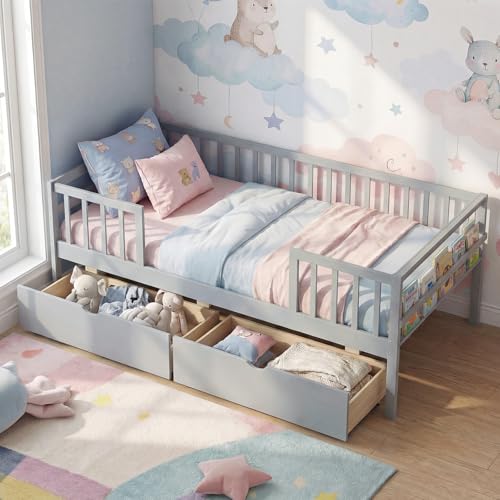
Children's Beds With a Pull-Out Bed Underneath
Looking for a smart way to host sleepovers without sacrificing floor space? A children's bed with a pull-out bed underneath combines two sleeping surfaces in one compact footprint. This guide explains the types, benefits, safety considerations, and how to choose the right model for your child's room.
Why this guide matters: Parents searching for a pull-out bed are usually past the browsing stage and comparing real options. Below you will find clear explanations of how these beds work, which designs suit which rooms, and the practical details that decide whether a model fits your space and your child's age.
What Is a Children's Bed With a Pull-Out Bed Underneath?
A children's bed with a pull-out bed underneath — often called a trundle bed — is a main bed frame with a second sleeping platform hidden beneath it. The lower bed slides out on casters or a track system when needed and tucks away when not in use. The design gives you two sleeping surfaces while occupying roughly the floor space of one bed, which is why it appears so often in shared bedrooms, guest rooms, and compact family homes.
Unlike a bunk bed, the pull-out design keeps the room feeling open and uncluttered during the day. Unlike a sofa bed, it provides a proper flat sleeping surface for nightly use rather than occasional seating. For families comparing space-saving solutions, it is worth reading how these designs differ from other compact options in our guide to children's beds for small rooms.
How the Pull-Out Mechanism Works
Most children's pull-out beds fall into one of three mechanical categories. Understanding the difference helps you judge how the bed will feel after years of use.
- Rolling trundle: The lower frame sits on casters and rolls out freely. These are the simplest and most common design, easy for older children to operate, but they need smooth flooring to glide well.
- Track or rail system: The lower bed slides along metal rails built into the main frame. Movement is more controlled and the bed stays aligned, which suits heavier frames and frequent use.
- Pop-up trundle: The lower bed lifts to the same height as the main mattress, creating a full-width sleeping surface. This is a popular choice when the second bed is used regularly rather than occasionally.
Entry-level models usually rely on basic casters, while mid-range and premium frames tend to add reinforced rails, locking stops, and smoother-glide hardware. If the bed will be used nightly, a track or pop-up system is generally the more durable choice.
Popular Styles of Pull-Out Children's Beds
The frame style affects both the look of the room and how the pull-out bed performs in practice. Here is how the main categories compare.
| Style | Best For | Key Considerations |
|---|---|---|
| Wooden pull-out bed | Warm, traditional, or Scandinavian bedrooms | Solid build and durable joinery; check that the lower frame has smooth-glide casters |
| Upholstered pull-out bed | Modern and transitional rooms | Soft edges suit younger children; fabric choice affects cleaning ease |
| Metal pull-out bed | High-use rooms and sleepover-heavy households | Heavy-duty frames and reinforced rails are common in this category |
| Pull-out bed with storage | Small rooms needing extra organisation | Drawers or shelves share the underbed space with the trundle; confirm both work independently |
| Pop-up trundle bed | Regular guest use and shared rooms | Creates a larger combined sleeping surface; mechanism is more complex than a rolling trundle |
| House or themed pull-out bed | Younger children's bedrooms | Playful design; verify the frame meets recognised safety standards |
If you are still deciding between styles, our overview of children's beds covers the full range of frame types, and our guide to children's beds with mattress included explains how bundled mattress options compare with buying separately.
Benefits of a Pull-Out Bed for Children
The pull-out design solves several everyday problems at once. These are the advantages parents mention most often:
- Two beds in one footprint: Sleepovers and visiting relatives no longer require an air mattress on the floor.
- Floor space stays open: The second bed disappears during the day, leaving room for play, study, or storage.
- Simple to operate: Most rolling and rail systems are easy for school-age children to manage independently.
- Flexible room use: The same room works as a single bedroom most of the time and a shared room when needed.
- Long-term usefulness: The extra sleeping surface stays relevant as children grow and guests become more frequent.
The design also pairs well with other space-saving furniture. Families furnishing a compact room often combine a pull-out bed with a children's bedside table and wall-mounted storage to keep the floor clear.
Safety Features to Look For
A pull-out bed introduces moving parts and a second sleeping level, so safety deserves a closer look than with a standard single bed. Before buying, check the following:
- Locking mechanism: The lower bed should lock securely in the extended position so it cannot roll back while a child is asleep.
- Guardrails: The main bed should have guardrails appropriate to the child's age and sleeping habits.
- Caster quality: Smooth-rolling, lockable casters reduce the risk of sudden movement and protect flooring.
- Low profile: A pull-out platform close to the floor is easier and safer for younger children to climb in and out of.
- Certified materials: Look for frames and finishes that meet recognised safety and emissions standards.
- Weight guidance: Follow the manufacturer's recommended age and weight limits for both the main bed and the pull-out section.
For younger children, the combination of a low pull-out level and a guardrail on the main bed is usually the safest setup. If the room is especially tight, our article on children's beds for small spaces covers additional layout considerations.
How to Choose the Right Pull-Out Bed
Measure first, then match the mechanism to how often the second bed will be used. The checklist below covers the decisions that matter most:
- Room dimensions: Measure the full extension length of the pull-out bed plus clearance for walking around it.
- Usage frequency: Occasional sleepovers suit a rolling trundle; nightly use favours a track or pop-up system.
- Mattress thickness: Check the recommended mattress height so the lower bed slides freely and sleeps comfortably.
- Storage needs: If the room lacks closet space, a pull-out bed with integrated drawers may solve two problems at once.
- Style match: Wood, upholstered, and metal frames each suit different room aesthetics and cleaning routines.
- Build tier: Entry-level frames are fine for occasional use; mid-range and premium models generally offer smoother mechanisms and sturdier rails.
Quick decision guide by tier
Essential tier: A straightforward wooden or metal frame with a rolling trundle — a solid choice for occasional sleepovers. Balanced tier: Reinforced rails, lockable casters, and better mattress support for regular use. Top-tier: Pop-up mechanisms, integrated storage, and premium finishes for rooms where the second bed is used often.
Pull-Out Bed vs. Other Space-Saving Beds
A pull-out bed is not the only way to add a second sleeping surface. Understanding the trade-offs helps you pick the right solution for your room.
- vs. bunk beds: Bunk beds stack the second bed vertically, which saves floor space but adds climbing. Pull-out beds keep both sleepers at floor level, which suits younger children and low ceilings. If stacked beds appeal, our guide to children's bunk beds for small rooms explains the options.
- vs. loft beds: Loft beds free up the area underneath for desks or play space but require climbing and careful ceiling clearance. Our article on children's bedroom furniture loft beds covers the practical details.
- vs. sofa beds: Sofa beds double as seating but generally offer a less supportive sleeping surface for nightly use. A pull-out bed is the better choice when the second surface is for sleeping, not sitting.
Setup, Mattresses, and Long-Term Care
A pull-out bed works best when it is set up correctly and maintained. A few practical points make a real difference:
- Mattress choice: A supportive foam or hybrid mattress in the recommended thickness works well on a pull-out platform. Avoid overly deep mattresses that obstruct the slide-out mechanism.
- Floor surface: Rolling trundles glide best on hard flooring or low-pile carpet. On thick carpet, a track system is usually smoother.
- Assembly: Follow the manufacturer's instructions and check that all locking hardware is engaged before first use.
- Maintenance: Lubricate rails and check casters periodically, and tighten frame fittings as the bed settles with use.
- Bedding: Keep a dedicated set of bedding for the pull-out bed so it is ready for guests without searching for linens. Our guide to comforters covers options that work well for occasional guest beds.
Frequently Asked Questions
What is a children's bed with a pull-out bed underneath?
It is a space-saving bed design where a second sleeping platform slides out from beneath the main bed frame. It is commonly called a trundle bed and is ideal for sleepovers, guest visits, and shared children's rooms.
Are pull-out beds safe for young children?
Yes, when constructed to recognised safety standards. Choose models with secure locking mechanisms, smooth-rolling casters, guardrails on the main bed, and a low-profile pull-out platform. Always follow the manufacturer's age and weight guidance.
What mattress size fits a pull-out bed underneath?
Most pull-out beds accept a twin-size or twin XL mattress, while some larger frames pair a full or queen main bed with a twin trundle. Check the recommended mattress thickness, since overly tall mattresses can obstruct the slide-out mechanism.
Do pull-out beds work in small rooms?
They are one of the best solutions for small rooms. The second sleeping surface stays hidden when not in use, so floor space remains open for play, study, or storage. Measure the full extension length before buying to ensure clearance.
Can an adult sleep on a pull-out bed?
Many mid-range and premium models are rated for adult weight, but always check the manufacturer's stated limits. Entry-level frames are generally intended for children and occasional guest use.
Recommended Children's Beds With Pull-Out Bed Underneath
⚠️ AFFILIATE DISCLOSURE: This website contains affiliate links. As an Amazon Associate, we earn from qualifying purchases. If you make a purchase through these links, we may receive a small commission at no additional cost to you. Read our full affiliate policy.

Low Loft Bed Twin Size with 5 Drawers, Toy Storage Organizer, Black | Heavy Duty Metal Kids Loft Bed with Desk and LED Light, 13.8" Safety Guardrail, Private Play Curtain, Under-Bed Play Space
Check price on Amazon
DICTAC Low Loft Bed with Slide,Storage Stairway and Led Lights Metal Twin Size Loft Bed with Under-Bed Play Space,Art Table & Play Curtain Twin Beds with 2 Drawers and 13.8''H Safety Guardrail,Black
Check price on Amazon
Low Loft Bed Twin Size with 7 Storage Drawers, Desk and LED Lights, Heavy Duty Metal Kids Loft Bed with 12" H Safety Guardrail, Anti-Collision Pad, Private Play Curtain, Under-Bed Play Space (Black)
Check price on Amazon
Betterhood Twin Bed with Trundle, Solid Wood Twin Daybed, Natural | Wooden Slats Platform, Pull Out Trundle Bed with Headboard and Footboard for Kids Teens Adults
Check price on Amazon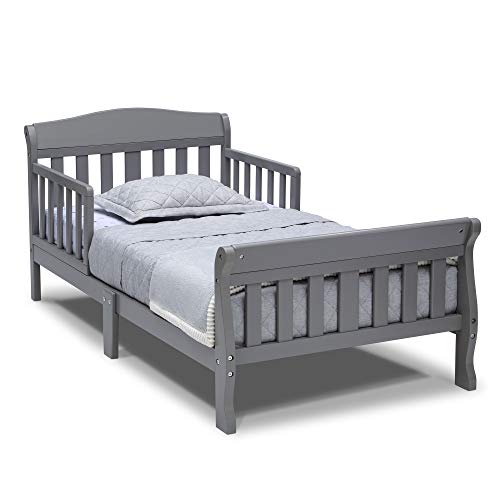
Delta Children Canton Toddler Bed, Greenguard Gold Certified, Grey
Check price on Amazon
Dnxao Low Twin Loft Bed with Desk, 9 Storage Drawers, Oak Gray | Kids Loft Bed with 15.8" H Safety Guardrail, Twin Bed Frames for Kids with LED Lights & Charging Station,Under-Bed Play Space
Check price on Amazon
Betterhood Twin Bed with Trundle, Solid Wood Twin Daybed, White | Wooden Slats Platform, Pull Out Trundle Bed with Headboard and Footboard for Kids Teens Adults
Check price on Amazon