Floor Beds for Adults: The Complete Guide to Low-Profile Sleep
Thinking about ditching the traditional bed frame? Floor beds for adults offer a minimalist, grounded sleep experience that’s gaining popularity in modern bedrooms. This guide covers everything you need to know—from design styles and mattress compatibility to safety and maintenance—so you can decide if a floor bed is right for you.
What Are Floor Beds for Adults?
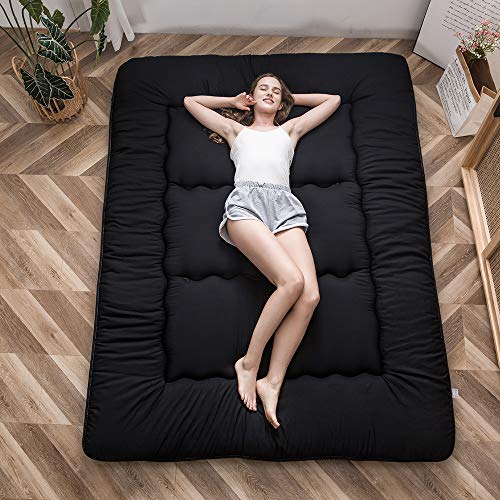
A floor bed is a sleep setup where the mattress sits directly on the floor or on a very low platform base—often just a few inches high. Unlike traditional beds that elevate you 18 to 24 inches above the ground, floor beds keep you close to the floor, creating a low-profile, minimalist sleeping arrangement. For adults, these beds are typically designed with a slightly thicker mattress or a low wooden platform to provide adequate support and insulation.
While floor beds are often associated with Montessori-style children’s rooms, the adult version has evolved into a design-forward choice. Modern floor beds for adults come in various styles, from Japanese-inspired tatami platforms to upholstered low-profile frames and simple foam mattresses placed directly on the floor. The common thread is the grounded, uncluttered aesthetic that promotes a sense of calm and openness in the bedroom.
Key distinction: A true floor bed for adults should provide proper support and breathability. Simply placing an old mattress on the floor without ventilation can lead to moisture buildup and reduced mattress lifespan. Look for designs that incorporate airflow or use a low platform base.
Why Choose a Floor Bed? Benefits for Adults
Floor beds offer a unique set of advantages that appeal to different lifestyles. Here are the most compelling reasons adults are making the switch:
- Minimalist aesthetic: A floor bed removes visual clutter and makes small rooms feel larger. Without a bulky frame, your bedroom instantly feels more open and airy.
- Accessibility: For individuals with mobility challenges or those recovering from injury, a floor bed eliminates the need to climb up or down. It’s also safer for anyone prone to rolling out of bed.
- Child-friendly co-sleeping: Parents who practice co-sleeping often choose a floor bed for safety and convenience. It allows the whole family to sleep at the same level without the risk of falls.
- Temperature regulation: Sleeping closer to the floor can be cooler in warm climates, as heat rises. This can be beneficial in naturally warm bedrooms.
- Design flexibility: Floor beds pair beautifully with minimalist, Japandi, Scandinavian, and Bohemian decor styles. They invite creative styling with rugs, floor cushions, and low furniture.
- Easier mattress rotation: Without a frame, rotating and flipping your mattress (if applicable) becomes a simpler task.
If you’re exploring other low-profile or space-saving sleep solutions, you might also consider fold-out beds for small spaces or folding beds for small spaces for guests or multi-use rooms.
Types of Floor Beds for Adults
Not all floor beds are created equal. The right type depends on your sleep habits, room size, and design preferences. Here’s a breakdown of the most common styles:
1. Japanese Tatami-Style Platform Bed
Inspired by traditional Japanese tatami rooms, these platforms sit just 4 to 8 inches off the floor and often feature a slatted wooden base. They provide excellent ventilation for the mattress and a clean, zen-like aesthetic. Look for models made from solid wood with a natural finish. Tatami-style floor beds are ideal for those who want the grounded feel of a floor bed with the structural support of a platform.
2. Upholstered Low-Profile Bed
These beds have a padded, fabric-covered base that sits close to the ground. They offer a softer, more luxurious look and feel compared to wood platforms. Upholstered floor beds are great for creating a cozy, inviting atmosphere. Materials range from linen and cotton blends to velvet and faux leather. For a classic, tailored look, consider a fabric bedstead as an alternative that still maintains a traditional silhouette.
3. Foam Mattress on the Floor (Minimalist Setup)
The simplest floor bed setup is a high-quality foam mattress placed directly on the floor. This works best with memory foam or latex mattresses that have a built-in base layer for support. To protect the mattress and improve airflow, place it on a slatted bamboo mat or a ventilated mat. This is the most minimalist option and works well for temporary setups or extremely small rooms. If you’re considering this route, explore foam beds in a box for convenient delivery and setup.
4. Solid Wood Low Platform Bed
A step up from the pure floor mattress, these platforms are typically 6 to 10 inches high and made from solid wood or plywood. They often include slats for mattress support and may feature a low headboard or none at all. This style balances the floor bed aesthetic with practical mattress protection. Many models are designed to be assembled without tools.
5. Convertible or Folding Floor Bed
For those who need flexibility—such as in a guest room or studio apartment—a folding floor bed or a convertible sofa bed can serve multiple purposes. When not in use as a bed, it can fold up or convert into seating. Explore folding sofa beds for small spaces for dual-purpose furniture that complements a floor-level lifestyle.
| Type | Height | Best For | Mattress Support |
|---|---|---|---|
| Tatami-Style Platform | 4–8 inches | Ventilation, minimalist design | Slatted wood base |
| Upholstered Low Bed | 6–10 inches | Cozy, luxurious feel | Padded platform or slats |
| Foam on Floor | 0 inches | Extreme minimalism, temporary setups | Ventilated mat recommended |
| Solid Wood Platform | 6–10 inches | Durability, classic look | Wood slats |
| Convertible/Folding | Varies | Guest rooms, multi-use spaces | Built-in frame |
Mattress Compatibility & Selection for Floor Beds
Choosing the right mattress is arguably the most important decision when setting up a floor bed. Since the mattress is closer to the floor, factors like breathability, thickness, and firmness take on added importance.
Thickness Matters
For a floor bed, a mattress that is too thin (under 6 inches) may not provide enough support and insulation from the floor’s temperature. A thickness of 8 to 12 inches is generally ideal for adults. Memory foam and hybrid mattresses in this range offer a good balance of comfort and support. Latex mattresses are also excellent for floor beds due to their natural breathability and durability.
Breathability and Moisture Control
When a mattress sits directly on the floor, air circulation is limited. This can trap moisture and lead to mold or mildew over time. Look for mattresses with breathable covers and consider using a slatted base or a ventilated mat underneath. Mattresses with gel-infused memory foam or open-cell foam are better at dissipating heat. If you’re prone to night sweats, explore flippable mattresses that allow you to rotate for even wear and airflow.
Firmness Preferences
Floor beds are often chosen by side sleepers and combination sleepers who prefer a medium to medium-firm feel. However, the lack of a box spring means the mattress itself must provide all the support. Back and stomach sleepers may want a firmer mattress to prevent sinking. If you’re unsure, consider a foam bed in a box with a trial period so you can test the firmness in your own home.
Mattress Size for Floor Beds
Full and queen sizes are the most popular for adult floor beds. Twin and twin XL are suitable for single sleepers or small spaces. If you have a larger room, a king-size floor bed can make a dramatic minimalist statement. Just ensure the mattress has proper edge support, as you may be sitting or stepping on the edges more frequently without a frame.
Safety and Health Considerations
Floor beds are generally safe for adults, but there are a few important considerations to keep in mind:
Mold and Mildew Prevention
The biggest health concern with floor beds is moisture buildup. Without proper airflow, perspiration and humidity can accumulate under the mattress. To mitigate this:
- Use a slatted base or a breathable mattress foundation.
- Air out the mattress regularly by propping it up or vacuuming underneath.
- Use a dehumidifier in humid climates.
- Choose a mattress with a removable, washable cover.
Dust Mites and Allergies
Floor beds can collect more dust than elevated beds. Regular vacuuming and using allergen-proof mattress covers can help. If you have severe allergies, a low platform bed (4–6 inches) may be a better compromise than a mattress directly on the floor.
Mobility and Joint Health
Getting up from a floor bed requires more effort than rising from a traditional height bed. If you have knee, hip, or back issues, consider a platform bed that is at least 8–10 inches high or use a sturdy nearby surface to assist. For those with limited mobility, explore folding chair beds for adults as an alternative that offers easier access.
Pro Tip: Place a non-slip rug or mat under your floor bed to prevent the mattress from sliding and to add a layer of insulation and comfort.
Design and Room Integration
Floor beds are a design statement. They invite a more intentional, minimalist approach to bedroom decor. Here’s how to make the most of your floor bed setup:
Pair with Low Furniture
Keep the visual line low by choosing nightstands and dressers that are also low-profile. Floating shelves or wall-mounted bedside tables can provide storage without adding height. Explore floating bedside tables or floating wall-mounted bedside tables for a seamless look. For a farmhouse-inspired touch, consider farmhouse bedside tables set of 2.
Use Rugs and Textiles
A large area rug under the bed anchors the space and adds warmth. Layer floor cushions, a throw blanket, and textured pillows to create a cozy, inviting atmosphere. For a bohemian vibe, try a floral bedsheet or a French country-style bedspread.
Lighting for Floor Beds
Bedside lamps should be low or wall-mounted to maintain the clean lines. String lights or floor lamps with adjustable heads can provide warm, functional lighting. Avoid tall, bulky lamps that clash with the minimalist aesthetic.
Creating Privacy
If your floor bed is in a studio or open-plan space, use room dividers, curtains, or shelving units to create a sense of privacy. A canopy or a four-poster frame—while taller—can also define the sleep zone. Explore four-poster king beds with canopy for a more dramatic interpretation of bedroom boundaries.
Maintenance and Longevity
To keep your floor bed in top condition, regular maintenance is key:
- Rotate the mattress: Every 3–6 months, rotate your mattress head-to-foot to prevent uneven wear. If it’s flippable, flip it too.
- Clean underneath: Vacuum or sweep under the mattress weekly to prevent dust and allergen buildup.
- Check for moisture: Periodically inspect the underside of the mattress and the floor for signs of condensation or mold.
- Use a mattress protector: A waterproof, breathable mattress protector will extend the life of your mattress and simplify cleaning.
- Air out the mattress: On dry, sunny days, prop the mattress up or move it to a well-ventilated area for a few hours.
With proper care, a quality floor bed setup can last as long as a traditional bed. If you’re considering a mattress that will stand up to floor-level conditions, look for models with full beds for sale that are specifically designed for low-profile use.
Buying Tips & Tier Guide
When shopping for a floor bed for adults, it helps to understand the market tiers. Use the following guide to set expectations based on quality and features—without focusing on numerical figures.
| Tier | Characteristics | Best For |
|---|---|---|
| Entry-Level | Simple materials, basic slat support, minimal finishing | Guest rooms, temporary setups, first-time buyers |
| Mid-Range | Solid wood or high-quality plywood, reinforced slats, better finish | Daily use, long-term durability, design-conscious buyers |
| Premium | Hardwood construction, fine upholstery, thoughtful design details | Master bedrooms, design-focused spaces, long-term investment |
| Luxury | Custom sizes, artisan craftsmanship, premium fabrics, integrated storage | High-end interiors, bespoke bedroom designs |
What to Look For
- Material quality: Solid wood (pine, oak, birch) is more durable than MDF or particleboard. Upholstered beds should have sturdy frames and high-density foam padding.
- Slat spacing: For memory foam mattresses, slats should be no more than 2–3 inches apart. For spring mattresses, 3–4 inches is acceptable.
- Ventilation features: Look for slatted bases or breathable mesh layers to promote airflow.
- Assembly: Many floor beds ship flat-packed. Check if tools are included and read reviews about ease of assembly.
- Warranty: A good warranty (at least 1–3 years) indicates manufacturer confidence in the product.
If you’re exploring other bed types, you might also like fancy beds for a more ornate look or family XL beds for larger sleeping arrangements.
Frequently Asked Questions
Are floor beds suitable for adults with back pain?
Floor beds can be suitable if the mattress provides adequate support. A medium-firm to firm mattress is generally recommended for back pain. However, getting up from the floor may strain the lower back for some individuals. A low platform bed (6–10 inches) can offer the benefits of a floor bed while being easier on the joints.
Do floor beds get cold in winter?
Yes, floors can be colder than elevated surfaces. To stay warm, use a thick mattress pad, a warm comforter, and a rug under the bed. You can also place a layer of insulation (like a cork mat or a wool underlay) between the mattress and the floor.
How do I prevent mold under a floor bed?
The key is ventilation. Use a slatted base or a breathable mat underneath the mattress. Air out the mattress regularly, use a dehumidifier in humid climates, and avoid placing the mattress directly against an exterior wall with poor insulation.
Can I use any mattress on a floor bed?
Most mattresses can be used, but breathability is crucial. Memory foam, latex, and hybrid mattresses with breathable covers work best. Innerspring mattresses may also work but check that the coils are not exposed to moisture. Avoid very thin mattresses (under 6 inches) for daily adult use.
Are floor beds good for couples?
Absolutely. A queen or king-size floor bed provides ample space for couples. Just ensure the mattress has good edge support and motion isolation—especially if one partner is a restless sleeper. Memory foam and hybrid mattresses excel in motion isolation.
What is the ideal height for an adult floor bed?
Most adult floor beds sit between 4 and 10 inches off the floor. A height of 6–8 inches is a good compromise: it provides ventilation and ease of access without sacrificing the floor bed aesthetic.
Ready to Explore Floor Beds for Adults?
Now that you understand the benefits, types, and considerations, you’re ready to make an informed decision. Browse our curated selection of floor beds and sleep accessories to find the perfect fit for your bedroom sanctuary.
Explore Floor Bed Options