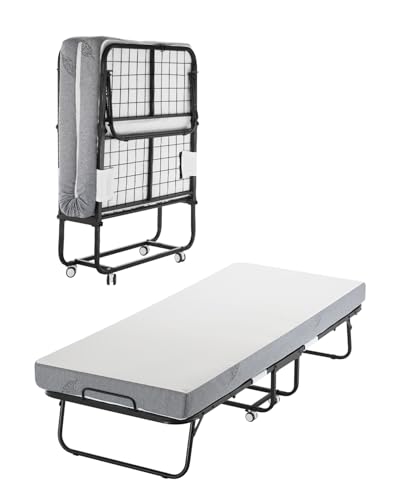
Hotels with Rollaway Beds: A Complete Guide for Extra Guests
Planning a family trip, sharing a room with a friend, or traveling with a child? Learn how rollaway beds work at hotels, what to ask before booking, and how to make the most of your extra sleeping space.
START EXPLORINGWhy this guide matters: Not every hotel room comfortably accommodates an extra guest. Understanding how rollaway beds are handled — from availability and room size requirements to safety standards and housekeeping policies — helps you book with confidence and avoid surprises at check-in.
What Is a Rollaway Bed?
A rollaway bed is a portable, folding bed that hotels provide to add an extra sleeping space to a guest room. It typically features a metal or wooden frame with a mattress that folds in half or thirds, plus caster wheels for easy movement. When not in use, it can be folded and stored in a closet, behind a door, or in a designated storage area.
Most hotel rollaway beds are twin-sized and designed for one adult or child. They are a practical solution for families traveling with children, friends sharing a room, or groups who want to avoid booking an additional room. However, availability, room capacity limits, and comfort levels vary significantly between properties.
Common Types of Rollaway Beds in Hotels
- Folding frame rollaway beds: The most common type, featuring a hinged metal frame and a thin mattress. These are lightweight and easy to store.
- Cot-style rollaway beds: Often used in resorts and family-friendly properties, these have a slightly sturdier frame and a more comfortable mattress.
- Rollaway beds with innerspring mattresses: Found in mid-range and premium hotels, these offer better support than basic foam mattresses.
- Sofa bed alternatives: Some hotels offer sofa beds or convertible seating instead of traditional rollaways, especially in suites. For more flexible seating and sleeping options, explore sofa sleepers and convertible couches.
Why Choose Hotels with Rollaway Beds?
Rollaway beds solve a common travel problem: needing extra sleeping space without upgrading to a larger suite or booking a second room. Here are the main benefits:
- Cost-efficient for families: Instead of reserving two rooms, a family of three or four can often share one room with a rollaway bed.
- Flexibility for groups: Friends traveling together can split a room without compromising on separate sleeping surfaces.
- Convenience for short stays: For one or two nights, a rollaway bed is a simple and practical solution.
- Child-friendly options: Many hotels provide smaller rollaway beds or cribs for younger children. If you are also considering beds for home use, browse guest beds for small spaces and foldable beds for camping for inspiration.
- No permanent footprint: Rollaway beds can be folded away during the day, freeing up floor space in compact rooms.
What to Check Before Booking a Hotel with Rollaway Beds
Not all hotels offer rollaway beds, and even those that do may have restrictions. Before you book, verify the following details:
1. Availability and Reservation Policy
Rollaway beds are often limited in number and may be allocated on a first-come, first-served basis. Some hotels allow you to reserve a rollaway bed at the time of booking, while others only confirm availability at check-in. Always ask whether the rollaway bed can be guaranteed and whether there is an additional fee or service charge associated with it.
2. Room Size and Layout
Rollaway beds require floor space — typically at least a few feet of clearance at the foot of the bed or near a wall. Rooms with king-size beds may have less free space than rooms with two queen beds. If you are comparing room layouts, our guides on king-size beds with frame and California king-size beds can help you understand how much space larger beds occupy.
3. Maximum Occupancy Rules
Hotels set maximum occupancy limits based on room size, fire safety regulations, and bedding configuration. A room that sleeps two adults may allow one rollaway bed for a child, but not for a third adult. Always confirm the occupancy limit before booking.
4. Mattress Quality and Comfort
Rollaway bed mattresses vary widely. Entry-level hotel rollaways often use thin foam mattresses, while mid-range and premium properties may provide thicker innerspring or memory foam mattresses. If comfort is a priority, ask about the mattress type or read recent guest reviews.
5. Safety Standards
Rollaway beds should have sturdy frames, secure locking mechanisms, and weight capacity ratings. Hotels in many regions are required to meet safety standards for temporary bedding. If you are traveling with children, ask whether bed rails or guardrails are available.
Hotel Rollaway Bed Options Compared
Use the table below to compare common rollaway bed configurations across hotel tiers. The descriptors reflect relative market positioning and are not tied to specific rates.
| Tier | Typical Mattress Type | Frame and Build | Best For |
|---|---|---|---|
| Entry-level | Thin foam mattress | Lightweight folding metal frame | Short stays, older children, occasional use |
| Mid-range | Foam or basic innerspring | Reinforced folding frame with locking wheels | Families, multi-night stays, teens and adults |
| Premium | Innerspring or memory foam | Heavy-duty frame with premium casters | Extended stays, adults seeking better support |
| Luxury | High-density foam or hybrid mattress | Solid build with reinforced joints | Guests prioritizing comfort in upscale properties |
Keep in mind that rollaway bed quality is not always tied to hotel tier. A mid-range family hotel may offer better rollaway beds than a luxury business hotel that rarely provides them. Reading recent guest reviews is often the most reliable way to gauge comfort.
Tips for a Comfortable Stay with a Rollaway Bed
- Request a mattress topper: Some hotels can provide an extra mattress pad or topper to improve comfort. If you are curious about home options, our guide on mattress toppers explains how they work.
- Ask for extra bedding: Pillows, blankets, and linens for the rollaway bed are usually provided, but confirming in advance ensures nothing is missing at check-in.
- Position the bed thoughtfully: Place the rollaway bed away from heating vents, windows, and high-traffic walkways to improve sleep quality.
- Check for noise: Older rollaway frames can squeak. If this is a concern, request a newer model or a room with a sofa bed instead.
- Confirm housekeeping preferences: Some hotels prefer to leave rollaway beds set up for the duration of your stay, while others fold them away during the day. Let the front desk know your preference.
- Traveling with kids: If you are also planning bedroom setups at home, explore children's bunk beds and bunk beds with trundle for space-saving ideas.
Alternatives to Rollaway Beds at Hotels
If a rollaway bed is not available or does not suit your needs, consider these alternatives:
- Sofa beds: Many hotel suites include a sofa bed that converts into a sleeping surface. Learn more about double sofa bed options.
- Connecting rooms: Two connected rooms provide more space and privacy than a single room with a rollaway bed.
- Suites with extra bedding: Some suites include a separate living area with a sleeper sofa or an additional bed.
- Bunk bed rooms: Family-oriented hotels and resorts sometimes offer rooms with bunk beds, which are ideal for children. For home inspiration, see bunk beds with mattresses included and wood bunk beds.
- Cribs for infants: Most hotels provide cribs or pack-and-plays for infants at no extra charge, subject to availability.
Frequently Asked Questions About Hotels with Rollaway Beds
Do all hotels provide rollaway beds?
No. Rollaway bed availability depends on the property, room type, and local regulations. Budget hotels and boutique properties may not offer them, while family-friendly chains and resorts typically do. Always confirm before booking.
Is there an extra charge for a rollaway bed?
Many hotels charge an additional service fee for rollaway beds, especially for adults. Some properties provide them at no extra charge for children under a certain age. Policies vary, so confirm the details when reserving.
Can a rollaway bed fit in any hotel room?
Not always. Rooms with king-size beds or compact layouts may lack the floor space required for a rollaway bed. Rooms with two queen beds or suites are generally more suitable. Ask the hotel to confirm that the room can accommodate a rollaway bed.
Are rollaway beds safe for children?
Most hotel rollaway beds are designed for adults and older children. For younger children, ask whether bed rails or guardrails are available. Always check the weight limit and ensure the frame is properly locked before use.
How comfortable are hotel rollaway beds?
Comfort varies widely. Entry-level rollaway beds often have thin foam mattresses, while premium hotels may provide thicker innerspring or memory foam mattresses. Reading recent guest reviews and requesting a mattress topper can improve the experience.
Can I reserve a rollaway bed in advance?
Some hotels allow you to request a rollaway bed at the time of booking, but not all can guarantee it. It is best to call the hotel directly to confirm availability and reservation policies.
Final Thoughts
Hotels with rollaway beds offer a practical solution for families and groups who need extra sleeping space without booking an additional room. The key is to confirm availability, room capacity, and comfort details before you book. By asking the right questions and understanding what to expect, you can turn a simple rollaway bed into a reliable part of a comfortable stay.
Whether you are planning a family vacation, a weekend getaway with friends, or a longer trip with children, the right hotel bedding setup makes a noticeable difference. For more guidance on sleep-friendly furniture and bedroom setups, explore our related articles on guest beds for small spaces, comfortable sofa beds, and hospital beds for home use.