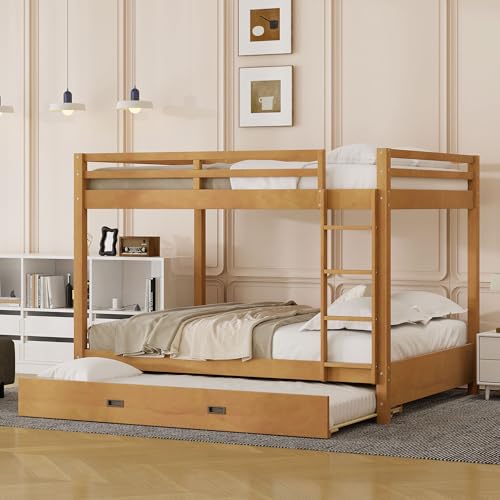
Rustic Queen Over Queen Bunk Beds: The Complete Buying Guide
Researching rustic queen over queen bunk beds? You are in the right place. This guide explains everything adult buyers need to know before choosing: frame construction, wood species, safety requirements, ceiling clearance, mattress compatibility, and style matching. By the end, you will know exactly which configuration fits your bedroom and how to evaluate quality without guesswork.
Why Queen Over Queen Bunk Beds Are Gaining Popularity
Queen over queen bunk beds solve a problem that traditional bunk beds never could: accommodating two adults comfortably in a shared room without sacrificing mattress size. Unlike twin-over-twin designs, these beds provide two full queen sleeping surfaces, each measuring 60 by 80 inches. This makes them a practical choice for guest rooms, vacation cabins, adult siblings sharing a space, and multi-generational homes.
The rustic variant adds another layer of appeal. Weathered wood finishes, reclaimed timber textures, and wrought-iron accents transform a purely functional piece into a design statement. If your bedroom leans toward the rustic bedroom aesthetic, a queen over queen bunk bed can anchor the entire room while delivering genuine space efficiency.
Another reason for their rise: the shift toward multi-purpose rooms. Homeowners increasingly want furniture that performs double duty. A queen over queen bunk bed frees up floor space for a seating area, a home office corner, or additional storage. The vertical footprint is efficient, and the rustic finish ensures the bed does not feel like a compromise.
Key Features to Evaluate Before Buying
Not all rustic queen over queen bunk beds are built to the same standard. Use the following criteria to separate solid construction from decorative pieces that will not hold up over time.
Frame Material & Joinery
Solid wood frames with mortise-and-tenon or dowel joinery outperform particleboard and stapled construction. Look for reinforced corner blocks and metal-on-metal bolt connections at stress points.
Weight Capacity
Adult-rated bunk beds should explicitly state a per-bunk weight capacity. A well-built frame typically supports at least 400 pounds per sleeping surface, with premium models rated higher.
Guardrail Height
The top bunk needs a full-length guardrail on both sides, with a minimum height of 5 inches above the mattress surface. Higher rails provide safer containment for restless sleepers.
Ladder & Access
A sturdy ladder with wide, flat steps and a secure attachment mechanism is essential. Some models offer angled ladders or built-in stair drawers for easier access.
Slat System
Closely spaced wood slats distribute mattress weight evenly and eliminate the need for a box spring. Look for slats spaced no more than 3 inches apart for queen mattresses.
Finish & Texture
Rustic finishes range from distressed paint to hand-rubbed oil. Confirm the finish is low-VOC and sealed against moisture, especially if the bed will sit in a humid cabin or coastal home.
Wood Species and Rustic Finishes Compared
The wood species directly affects durability, weight, and the character of the rustic look. The table below compares the most common options using relative market positioning rather than absolute figures.
| Wood Species | Market Tier | Character & Best For |
|---|---|---|
| Pine | Entry-level to mid-range | Knotty grain, warm tone, lighter weight. Good for casual rustic and cabin styles. |
| Reclaimed Wood | Mid-range to premium | Weathered texture, unique imperfections, strong eco appeal. Ideal for authentic farmhouse rustic. |
| Oak | Premium to high-end tier | Dense grain, exceptional durability, heavy frame. Best for long-term daily use in adult bedrooms. |
| Walnut | Luxury tier | Rich dark tone, fine grain, flagship-level construction. Suits upscale rustic and lodge interiors. |
| Engineered Wood with Veneer | Starter tier | Uniform look, lighter construction. Better suited to occasional-use guest rooms than daily adult use. |
Editorial note: For adult sleepers using the bed every night, mid-range solid pine or oak offers the most dependable balance of structural integrity and rustic character. Entry-level engineered frames may look convincing in photos but often develop wobble at the joints within a few years of daily use.
Room Planning: Ceiling Height, Footprint, and Layout
Before committing to any queen over queen bunk bed, measure your room carefully. These beds are substantial pieces of furniture, and a few inches of miscalculation can turn a great purchase into a daily frustration.
Ceiling Height Requirements
Standard advice is a minimum ceiling height of 8 feet. The top sleeper needs enough clearance to sit up in bed without contacting the ceiling. Aim for at least 30 to 34 inches of space above the top mattress. If your ceiling is lower, consider a low-profile design or a twin-over-full configuration instead. For related sizing guidance, review the size of queen beds reference.
Floor Space and Clearance
A queen mattress is 60 by 80 inches. The frame adds several inches on each side, so plan for a footprint of roughly 65 by 85 inches. Leave at least 24 to 30 inches of walking space around the bed for comfortable access to the ladder and lower bunk. In smaller rooms, a small bedroom solutions approach may involve placing the bed against a corner wall and using the freed floor area for a compact dresser or reading nook.
Weight and Floor Loading
Solid wood queen over queen bunk beds are heavy, often exceeding 200 pounds before mattresses are added. Place the bed on a load-bearing section of floor and use furniture pads to protect hardwood or laminate. If the room is on an upper floor, confirm the joist direction and consider spreading the load with a wide base or rug underneath.
Safety Standards Every Adult Bunk Bed Should Meet
Adult bunk beds are not regulated identically to children's bunk beds, which makes careful evaluation even more important. Use this checklist:
- Full-length guardrails on the top bunk, secured with bolts rather than hooks.
- No gaps larger than 3.5 inches between the guardrail and mattress surface, or between the guardrail and frame.
- Ladder attachment that hooks over the frame or bolts directly, with no wobble when weight is applied.
- Corner stability tested by gently pushing the assembled frame; it should not rack or sway.
- Non-toxic finish certification, especially relevant in bedrooms where air quality matters.
- Assembly hardware that includes locking washers and clearly labeled bolts for all structural joints.
If the top bunk will be used by an adult who moves frequently during sleep, consider a model with an extra-tall guardrail or a bed rail extension. Safety is not only a children's concern, particularly for sleepers who use sleep positioners or who experience restlessness.
Mattress Selection for Queen Over Queen Bunks
Both bunks accept standard queen mattresses, but the top bunk has specific constraints. A thinner mattress, typically 6 to 8 inches, keeps the guardrail effective and preserves headroom. Innerspring and hybrid mattresses with strong edge support work well because they resist compression at the frame edges. Memory foam is comfortable but can feel less stable on an elevated platform if the slat spacing is wide.
For the lower bunk, you have more flexibility. A thicker mattress in the 8 to 12 inch range provides a more conventional sleep experience. If you are outfitting a guest room, a medium-firm hybrid mattress is a versatile choice that suits most sleepers. Side sleepers should pair the mattress with a supportive pillow; our side sleeper guide explains the alignment principles that matter most.
Styling a Rustic Queen Over Queen Bunk Bed
The rustic aesthetic rewards layered textures and natural materials. Here is how to make the bed feel intentional rather than simply large:
- Bedding: Choose washed linen or cotton in earth tones. A quilted bedspread adds visual weight to the lower bunk and echoes the rustic theme. Explore quilted bedspreads for options that drape well over queen mattresses.
- Rug placement: A large rug beneath the bed softens the footprint and defines the sleeping zone. Our guide to rugs for queen size beds covers sizing and material choices.
- Bedside storage: A compact reclaimed wood bedside table reinforces the rustic palette and provides a landing spot for a lamp and book.
- Lighting: A reading bedside lamp with a warm bulb creates a cozy glow that suits wood tones. Avoid harsh overhead lighting in the bunk area.
- Wall treatment: Shiplap, board-and-batten, or a muted limewash finish behind the bed amplifies the rustic character without competing with the frame.
Rustic Bunk Bed Variations Worth Considering
Queen over queen is one configuration in a broader family of rustic bunk designs. Depending on your room size and sleeper needs, these alternatives may fit better:
- Rustic bunk beds twin over queen — a space-efficient option when one sleeper prefers a twin.
- Rustic bunk beds twin over full — balances footprint and sleeping capacity for guest rooms.
- Queen size storage beds — if you prefer a single-level bed with integrated drawers.
- Queen size trundle beds for adults — a pull-out second sleeping surface without the vertical climb.
Assembly, Maintenance, and Long-Term Care
Most queen over queen bunk beds ship disassembled in multiple boxes and require two people for safe assembly. Set aside two to three hours and follow the manufacturer's sequence precisely; reversing steps often leads to misaligned bolt holes. Tighten all structural bolts after the first week of use, then re-check every few months.
For rustic wood finishes, dust with a microfiber cloth and avoid silicone-based polishes that can dull the grain. If the finish is oiled rather than lacquered, reapply a thin coat annually. Inspect the ladder and guardrail hardware quarterly, and replace any stripped bolts immediately. A well-maintained solid wood bunk bed can serve a household for decades, making it a long-term investment in both function and style.
Ready to Explore Rustic Queen Over Queen Bunk Beds?
Browse curated options that match the construction standards and safety features outlined in this guide. Compare frame materials, guardrail designs, and rustic finishes side by side.
View Recommended OptionsFrequently Asked Questions
Are queen over queen bunk beds safe for adults?
Yes, when properly constructed and installed. Look for reinforced frames, high weight capacities, full-length guardrails on the top bunk, and a sturdy ladder. Adult-rated bunk beds are engineered to support two full-size sleepers safely.
How much ceiling height do I need for a queen over queen bunk bed?
A minimum of 8 feet is recommended for comfortable use. You need enough clearance for the top sleeper to sit up without hitting the ceiling, typically at least 30 to 34 inches above the top mattress surface.
What wood is best for a rustic queen over queen bunk bed?
Solid pine, reclaimed wood, and oak are popular choices. Pine offers a warm, knotty character, reclaimed wood brings authentic weathered texture, and oak provides exceptional durability for long-term daily use.
Do queen over queen bunk beds require special mattresses?
They use standard queen-size mattresses, but a thinner profile of 6 to 8 inches is often recommended for the top bunk to keep the guardrail effective and maintain safe clearance. Firm mattresses tend to work best for structural stability.
Can a queen over queen bunk bed be separated into two beds?
Some models are designed as convertible bunk beds that can split into two freestanding queen beds. If flexibility matters for future room layouts, confirm this feature in the product specifications before purchasing.