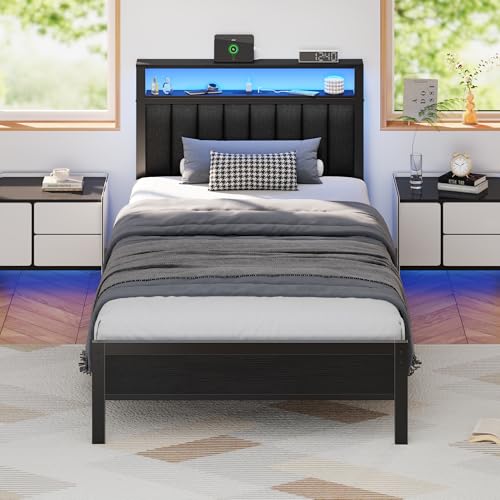
Small Twin Beds: The Complete Guide to Compact Sleeping Spaces
Everything you need to know before choosing a small twin bed — sizes, frames, mattresses, and space-saving strategies for tight bedrooms, guest rooms, and studio apartments.
Small twin beds are the quiet heroes of compact living. Whether you are furnishing a narrow guest room, a teenager's bedroom, a studio apartment, or a cozy dorm, a well-chosen twin bed maximizes floor space without sacrificing comfort. This guide walks you through the dimensions, frame types, mattress pairings, and layout tips that matter most — so you can make a confident decision before you buy.
What Counts as a Small Twin Bed?
The term "small twin bed" is not a single official size. It describes twin beds and compact twin-sized sleepers that fit into tight footprints. Understanding the standard dimensions helps you compare options accurately.
| Bed Type | Width | Length | Best For |
|---|---|---|---|
| Standard Twin | 38 in | 75 in | Adults, teens, guest rooms |
| Twin XL | 38 in | 80 in | Taller sleepers, college dorms |
| Toddler Bed | 28 in | 52 in | Transitioning toddlers |
| Cot / Daybed | 30–33 in | 70–75 in | Temporary sleep, small lounges |
A standard twin is the most common small twin bed. It fits comfortably in rooms roughly 7 feet wide or more, and it leaves room for a small nightstand or a smart bedside table with wireless charging. If length matters more than width, a twin XL is worth considering. For a broader look at compact layouts, see our guide to small twin beds for small spaces.
Frame Types for Small Twin Beds
The frame you choose shapes both the look and the usable floor area of your room. Here are the main categories, with notes on where each excels.
Platform Frames
Platform frames are the most space-efficient choice for a small twin bed. They eliminate the need for a box spring, keeping the overall height low and the silhouette clean. Slatted or solid platform designs work especially well with memory foam mattresses. Many models include under-bed storage, which is a major advantage in compact rooms.
Metal Frames
Metal twin frames are durable, easy to assemble, and often fold for storage. They suit guest rooms and temporary setups. Look for reinforced joints and a rust-proof finish if the frame will sit near a window or in a humid room.
Wooden Frames
Solid wood and wood-veneer frames bring warmth to a small bedroom. A solid wood twin bed for adults is a long-term investment that holds up to daily use. Slim wooden frames with tapered legs create an airy visual effect, which makes tight rooms feel less cramped.
Upholstered and Daybed Frames
Upholstered twin frames double as seating during the day, and daybeds are a classic solution for multi-purpose rooms. A sofa day bed or a daybed gives you a sleeping surface plus a lounging spot without adding a second piece of furniture.
Loft and Bunk Options
When vertical space allows, a space-saving loft bed for small rooms lifts the sleeping area above a desk or storage zone. Bunk configurations are covered in detail in our small space bunk beds guide.
Choosing the Right Mattress for a Small Twin Bed
Mattress choice affects comfort, durability, and how much room you actually gain. Keep these factors in mind:
- Thickness: A 6–8 inch mattress keeps the bed profile low, which helps in rooms with low windowsills or sloped ceilings. Thicker 10–12 inch mattresses add comfort but raise the overall height.
- Firmness: Medium-firm works for most sleepers. Side sleepers may prefer a softer surface; back and stomach sleepers usually do better with firmer support. Our stomach sleeper guide explains the trade-offs.
- Material: Memory foam conforms and isolates motion, which is useful in shared rooms. Innerspring and hybrid mattresses offer more bounce and airflow. Latex is durable and sleeps cooler.
- Base compatibility: Foam mattresses need a solid or closely slatted base. Innerspring models pair well with traditional frames and box springs.
If you plan to add extra softness later, a mattress topper is a flexible upgrade that does not require replacing the whole mattress.
Space-Saving Strategies for Small Twin Bedrooms
A small twin bed is only part of the equation. How you arrange the room determines whether it feels tight or comfortable.
- Place the bed against a wall or corner. This frees up a continuous stretch of floor and makes the room feel larger.
- Choose a frame with storage. Drawers, trundles, or lift-up bases absorb clutter that would otherwise need separate furniture. See our collection of space-saving beds with storage.
- Use vertical space. Wall-mounted shelves, floating nightstands, and tall narrow cabinets keep essentials off the floor. A tall and skinny bedside table fits into narrow gaps beside the bed.
- Keep the palette light. Pale walls, light bedding, and reflective surfaces bounce light around, making compact rooms feel open.
- Leave a clear path. Aim for at least 24 inches of walking clearance on the main access side of the bed.
For rooms that need to serve multiple purposes, a space-saving bed for small rooms or a storage bed for small spaces can be a smart centerpiece.
Who Should Choose a Small Twin Bed?
Small twin beds are not one-size-fits-all, but they suit many situations well:
- Guest rooms: A twin bed leaves room for a dresser, a reading chair, or a desk.
- Teenagers and children: Twin beds scale well from childhood through the teen years, and many frames adapt as the child grows.
- Studio apartments: A twin bed paired with a compact sofa and a wall-mounted desk keeps the living area functional. Our studio apartment guide covers layout ideas.
- Single adults: If you sleep alone and value floor space, a twin is efficient and comfortable.
- Dorms and temporary housing: Twin XL beds are the standard for many dorm rooms and fit well in shared spaces.
Small Twin Bed vs. Other Compact Options
Before settling on a twin, compare it with other space-conscious beds:
| Option | Footprint | Best For |
|---|---|---|
| Small Twin Bed | 38 × 75 in | Single sleepers, guest rooms |
| Sofa Bed | Varies; seating plus sleeper | Living rooms, multi-use spaces |
| Murphy Bed | Folds into the wall | Rooms used for multiple purposes |
| Rollaway Bed | Folds flat for storage | Occasional overnight guests |
If your room also needs seating, a sofa bed for small rooms or a sofa bed may work better than a dedicated twin. For occasional guests, a temporary bed for sleepovers keeps the floor clear when not in use. And if you want a twin-sized sleeper that doubles as seating, a sofa bed with air mattress hide-a-bed is worth a look.
Key Features to Check Before Buying
- Weight capacity: Check the frame's rated capacity, especially for adult use. High-grade steel and solid wood frames typically support more weight.
- Assembly: Some frames require tools and two people; others fold or snap together. Read the assembly notes before ordering.
- Under-bed clearance: If you plan to store boxes underneath, measure the clearance and match it to your storage bins.
- Headboard and footboard depth: These add length. In tight rooms, a headboard-only or headboard-free frame saves several inches.
- Mattress compatibility: Confirm the frame supports your mattress type — especially for foam mattresses that need a solid base.
- Finish and materials: A rust-proof finish on metal frames and sealed wood on wooden frames extend the bed's life.
Frequently Asked Questions
What is the smallest standard twin bed size?
A standard twin measures 38 inches wide by 75 inches long. Twin XL keeps the same width but extends to 80 inches. Specialty cot and daybed sizes run narrower, around 30–33 inches wide.
Are small twin beds suitable for adults?
Yes. Small twin beds work well for single adults, teenagers, and guest rooms. Choose a frame rated for adult weight and a mattress that matches your sleep position.
How much clearance should I leave around a small twin bed?
Aim for at least 24 inches on the main access side and about 15 inches on secondary sides. Pushing the bed against a wall or into a corner is a common space-saving compromise.
Do small twin beds need a box spring?
Platform and slatted frames usually do not require a box spring. Traditional frames often do. Foam mattresses prefer solid or closely spaced slatted bases.
Ready to Choose Your Small Twin Bed?
Small twin beds are a practical, comfortable solution for compact bedrooms. Measure your space, decide on frame type and mattress, and plan the layout around a clear walking path. When you have your shortlist, compare options below and check availability.