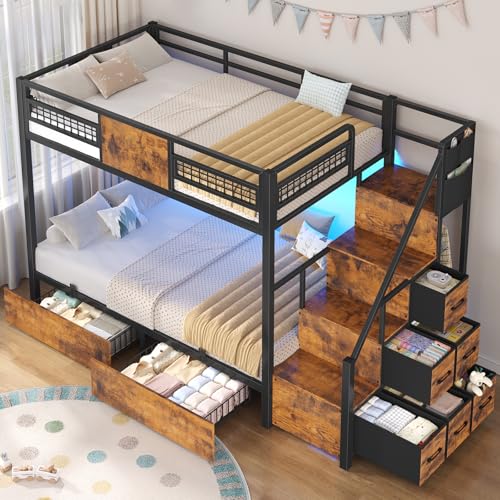
Bunk Beds With Pull Out Bed Underneath: The Space-Saving Sleep Solution
Everything you need to know about choosing a bunk bed with a pull out bed underneath — frame types, mattress fit, safety, and room planning.
EXPLORE OPTIONSWhy this setup works: A bunk bed with a pull out bed underneath gives you three sleeping spots in the footprint of one bed. It is a practical choice for guest rooms, shared kids' rooms, vacation homes, and small apartments where flexibility matters as much as floor space.
What Is a Bunk Bed With a Pull Out Bed Underneath?
A bunk bed with a pull out bed underneath combines a stacked sleep system with a hidden third bed. The top bunk sits above, the bottom bunk serves as the main lower sleep surface, and a pull out bed — often called a trundle — slides out from beneath the bottom bunk when you need an extra spot for a guest, a sleepover, or a growing family.
This configuration is closely related to other space-saving designs such as bunk beds with trundle underneath and bunk beds with a third bed underneath. The key difference is that the pull out bed is designed to slide out on casters or a track, then tuck away again when the room needs to feel open. If you are comparing layouts, our broader bunk beds guide covers the full range of configurations before you narrow down to this one.
How the Pull Out Bed Mechanism Works
Most pull out beds use one of two mechanisms. A caster-based trundle rolls out on wheels and sits low to the floor, usually holding a twin mattress. A pop-up or raised trundle lifts the mattress to the same height as the bottom bunk, creating a more uniform sleeping surface. Both designs are common in bunk beds with pull out bed underneath models, and the right choice depends on who will use the third bed and how often.
Entry-level models often use simple casters and a fabric or metal frame. Mid-range and high-end tier models tend to add reinforced slats, smoother glides, and better locking mechanisms. If you expect frequent use, look for a trundle with a solid slat base rather than a wire grid, since it distributes weight more evenly and protects the mattress over time.
Frame Types and Materials
The frame determines how stable the bunk feels and how smoothly the pull out bed operates. Here is how the main options compare:
| Tier | Frame Material | Best For |
|---|---|---|
| Entry-level | Light steel or engineered wood | Occasional guest use, light sleepers |
| Mid-range | Reinforced steel or solid wood | Regular use in kids' rooms |
| High-end tier | Hardwood or heavy-duty metal with premium glides | Frequent use, adult guests, long-term investment |
Wooden frames blend into traditional and rustic bedrooms, while metal frames suit modern and minimalist spaces. Whichever material you choose, check the weight capacity of both the top bunk and the pull out bed separately — they are often rated differently.
Mattress Fit and Sizing
Mattress fit is where many buyers get caught out. The top and bottom bunks usually accept twin or full mattresses, while the pull out bed almost always takes a twin. A mattress that is too thick can interfere with the trundle sliding in, and one that is too thin can leave gaps around the frame.
For the pull out bed, a mattress around 6 to 8 inches thick is typically the sweet spot. If you want to compare configurations with different lower-bed sizes, look at bunk beds with full on bottom and trundle for a larger main bed, or bunk beds with full on bottom and twin on top if you want a roomier lower bunk. Always confirm the mattress height limit in the product specifications before ordering.
Safety Features to Check
Safety should drive the decision more than style. Look for full-length guard rails on the top bunk, a sturdy ladder with wide treads, and a locking mechanism that keeps the pull out bed from rolling away mid-night. Corner posts should be rounded rather than sharp, and the frame should have no gaps that could trap small limbs.
For households with young children, check that the top bunk rail height meets current safety guidance and that the ladder attaches firmly rather than hooking loosely. Models with rails on top and bottom add extra security on the lower bunk as well. If the room will host adults, consider bunk beds with trundle for adults, which are built to handle higher weight capacities.
Room Planning and Clearance
A pull out bed needs open floor space in front of the bottom bunk to extend. Plan for roughly the length of the trundle mattress plus a little extra so it can slide out fully without hitting a dresser, desk, or doorway. Measure the room before you buy — a bed that fits the wall but blocks the walkway defeats the purpose.
If floor space is tight, consider a design where the third bed is tucked into the frame rather than sliding outward, such as bunk beds with trundle bed underneath. For rooms that need to multitask, bunk beds with storage underneath or bunk beds with space underneath can hold the extra bed alongside drawers or open shelving.
Who Should Choose This Setup
This configuration suits three main groups. First, families with two children who regularly host sleepovers. Second, guest rooms that need to sleep three without dedicating the whole room to beds. Third, vacation homes and cabins where flexible sleeping arrangements matter more than permanent furniture.
It is less suitable for very small rooms with no clearance in front of the bed, or for households where the third bed will be used every single night — in that case, a dedicated bed is more comfortable. If the room also needs study space, bunk beds with desk models show how a work surface can share the footprint.
Buying Checklist
- Measure clearance: confirm the pull out bed can extend fully in your room.
- Check mattress limits: match thickness to the frame, especially for the trundle.
- Verify weight capacity: top bunk and pull out bed are rated separately.
- Inspect the glide mechanism: casters, tracks, or pop-up lift should move smoothly.
- Look for guard rails and a secure ladder: non-negotiable for young children.
- Confirm assembly requirements: some models need two people and a few hours.
Still weighing layouts? Compare bunk beds with drawers if storage matters more than an extra sleeper, or bunk beds with ladder and slide if the room is for younger children. Our buying guides and reviews section covers side-by-side comparisons across configurations.
Frequently Asked Questions
Can a pull out bed fit a full-size mattress?
Most pull out beds are sized for a twin mattress. A few larger models accept a full, but check the specification sheet carefully — overloading a trundle frame is a common cause of premature wear.
How much clearance is needed in front of the bed?
Plan for the length of the trundle mattress plus a few inches of extra space so it can slide out without scraping furniture or walls.
Is a pull out bed comfortable for adults?
Yes, if the frame is rated for adult weight and the mattress is supportive. Mid-range and high-end tier models with reinforced slats are the better choice for adult guests.
Can the pull out bed be used every night?
It can, but a dedicated bed is generally more comfortable for nightly use. Reserve the pull out bed for regular-but-not-daily guests.
Final Thoughts
A bunk bed with a pull out bed underneath is one of the most efficient ways to sleep three in a small footprint. Focus on frame stability, mattress fit, and clearance, and the setup will serve your household for years. Use the checklist above, compare the configurations linked throughout this guide, and choose the tier that matches how often the third bed will actually be used.