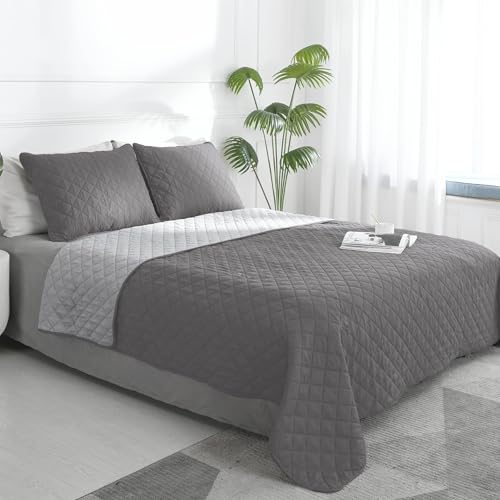
Lightweight Full Size Bedspread: Your Complete Buying Guide
Everything you need to know about choosing a breathable, comfortable, and well-fitting lightweight full size bedspread for year-round rest.
Why a Lightweight Full Size Bedspread Matters
A full size bed is one of the most common mattress sizes in homes, guest rooms, and dormitories. It measures 54 by 75 inches, and it sits in a sweet spot: roomier than a twin, yet more space-efficient than a queen. Choosing the right bedspread for this size is about more than aesthetics. It affects temperature regulation, ease of care, and how well your bedding holds up over time.
A lightweight full size bedspread is designed to provide coverage without the bulk of a heavy comforter. Lightweight options are especially valuable for hot sleepers, warm climates, and people who prefer layered bedding. They breathe better, dry faster after washing, and are easier to manage when making the bed or storing seasonally.
This guide walks you through fabric types, fit considerations, care routines, and the features that separate a well-made bedspread from an entry-level option. By the end, you will have a clear picture of what to look for before you buy.
What Makes a Bedspread "Lightweight"?
Lightweight is not a standardized label, but the term generally refers to bedspreads with a low fill weight, thin construction, or breathable materials. A lightweight full size bedspread typically weighs less than a traditional comforter and uses fewer layers of batting or fill. Common characteristics include:
- Thin profile: Usually under one inch of loft, often much less.
- Breathable fabrics: Cotton percale, linen, bamboo blends, seersucker, and matelassé.
- Minimal fill: Some are unfilled (quilted coverlets), while others use a light layer of polyester or cotton batting.
- Versatile layering: Designed to be used alone in warm weather or layered in cooler months.
If you tend to overheat at night, or if you live in a climate with mild winters, a lightweight option is often the most comfortable choice. For sleepers who need extra warmth in winter, a lightweight bedspread works well as a base layer beneath a quilt or duvet.
Fabric Guide: Choosing the Right Material
The fabric of your bedspread determines how it feels, how it breathes, and how long it lasts. Here is a breakdown of the most common materials for lightweight full size bedspreads:
Cotton Percale
Cotton percale is a crisp, matte fabric with a tight weave. It is breathable, durable, and gets softer with each wash. Percale bedspreads are an excellent choice for warm sleepers and for anyone who prefers a clean, tailored look. Many white cotton matelassé and seersucker styles fall into this category.
Linen
Linen is naturally moisture-wicking and highly breathable. It has a relaxed, textured appearance and softens beautifully over time. Linen bedspreads are typically positioned in the premium tier due to the cost of the fiber, but they are a long-term investment for hot sleepers.
Bamboo and Bamboo Blends
Bamboo-derived fabrics are silky, cool to the touch, and highly breathable. They drape well and are often blended with cotton for durability. Bamboo bedspreads are a solid choice for humid climates.
Seersucker
Seersucker uses a puckered weave that lifts the fabric away from the skin, promoting airflow. It is a classic summer bedding material and is often found in lightweight full size bedspread designs. Seersucker is generally easy to care for and resists wrinkles.
Matelassé and Chenille
Matelassé is a quilted, textured fabric that provides a bit more body than percale without being heavy. Chenille offers a soft, velvety hand. Both are popular for full size bedspreads because they look substantial on the bed while remaining relatively light.
Microfiber and Polyester Blends
Synthetic options are typically found in the entry-level tier. They are durable and easy to clean, but they breathe less well than natural fibers. If you choose a microfiber bedspread, look for brushed or breathable variants designed for warm sleepers.
For more bedding inspiration, explore our guides on white cotton chenille bedspreads, sage green chenille bedspreads, and king size seersucker bedspreads.
Getting the Fit Right: Sizing for a Full Bed
A full size mattress measures 54 inches wide by 75 inches long. Bedspread sizing can vary by brand, but here is a general guide to help you choose:
| Bedspread Size | Typical Dimensions | Best For |
|---|---|---|
| Full | Approx. 80 x 110 inches | Standard coverage with modest drape |
| Full/Queen | Approx. 86 x 110 inches | Generous drape on a full bed |
| Oversized Full | Approx. 90 x 112 inches | Extra coverage, pillow tuck, and floor-length drape |
If you want the bedspread to cover the pillows, look for a size with a length closer to 110–112 inches. If you prefer a tailored look with a visible bed skirt, a standard full size may be sufficient. For a more relaxed, layered look, consider an oversized bedspread.
Also consider the depth of your mattress. A full size mattress is typically 8–12 inches thick, but pillow-top and hybrid models can be deeper. If your mattress is particularly thick, an oversized option will drape more naturally.
Key Features to Look For
Beyond fabric and size, several features affect how a lightweight full size bedspread performs in daily use:
- Quilting or stitching: Even stitching keeps fill in place and extends the life of the bedspread.
- Hem finish: A clean, reinforced hem resists fraying and looks polished.
- Reversible design: Many bedspreads offer two colorways, adding versatility.
- Machine washability: Essential for guest rooms and households with pets or children.
- Pre-shrunk fabric: Reduces size changes after the first wash.
- Colorfast dyes: Important for darker shades and patterned designs.
For a traditional look, a white queen bedspread set can be adapted to a full bed with careful sizing. If you prefer a complete coordinated look, a full size bedspread set often includes matching shams.
Care and Maintenance
A lightweight bedspread is generally easier to care for than a heavy comforter, but proper maintenance extends its life:
- Wash cold: Use a gentle cycle with mild detergent to protect fibers.
- Avoid over-drying: Tumble dry on low or line dry. High heat can shrink natural fibers.
- Rotate: Rotate the bedspread periodically to distribute wear evenly.
- Store properly: Fold loosely and store in a dry, breathable space. Avoid plastic bags that trap moisture.
- Spot clean: Address stains promptly with a damp cloth and mild soap.
If your bedspread is part of a layered bedding system, consider how often you will wash it. Lightweight options dry faster, which is a practical advantage in humid climates.
Who Should Choose a Lightweight Full Size Bedspread?
This bedding category suits a wide range of sleepers:
- Hot sleepers: Breathable fabrics help regulate temperature.
- Warm climates: Lightweight coverage is comfortable year-round.
- Guest rooms: Easy to wash and versatile for different guests.
- Dorms and small apartments: Full beds are common in these spaces, and lightweight bedding is easy to store.
- Layered bedding enthusiasts: A lightweight bedspread is a flexible base layer.
If you are furnishing a full bed for the first time, explore our broader full and double bed guides for complementary furniture and bedding ideas. For small spaces, our small bedroom decor tips can help you make the most of your layout.
Common Mistakes to Avoid
- Buying too small: A twin bedspread will not drape properly on a full bed. Always check dimensions.
- Ignoring fabric breathability: A low-quality synthetic bedspread can trap heat, defeating the purpose of lightweight bedding.
- Skipping the care label: Some natural fibers require special handling. Check before you wash.
- Overlooking colorfastness: Dark or saturated colors may bleed if washed improperly. Test a small area first.
- Assuming all "full" sizes are the same: Brand sizing varies. Measure your bed and compare to product dimensions.
Frequently Asked Questions
What is the best material for a lightweight full size bedspread?
Cotton percale, bamboo blends, and linen are excellent choices because they are breathable, moisture-wicking, and soft against the skin. Cotton matelassé and seersucker are also popular for their textured, airy feel.
How do I choose the right size bedspread for a full bed?
A full size mattress measures 54 by 75 inches. Look for a full size bedspread with dimensions around 80 by 110 inches for proper drape, or a full/queen size for extra coverage over the sides and foot of the bed.
Are lightweight bedspreads suitable for all seasons?
Yes. Lightweight full size bedspreads are ideal for warm climates and summer months, and they layer easily over blankets or quilts during colder seasons, making them a versatile year-round bedding choice.
How should I care for a lightweight bedspread?
Most lightweight full size bedspreads are machine washable in cold water on a gentle cycle. Tumble dry on low or line dry to preserve the fabric. Always check the care label, as natural fibers like linen may require special handling.
Related Bedding Guides
Explore more of our bedding and bedroom guides to complete your sleep setup:
- California king bedspread sets
- Grey bedspreads for queen beds
- Luxury bedspreads for king beds
- White chenille twin bedspread
- California king bedspreads and comforters
- California king cotton bedspread
- White cotton chenille bedspread
- White king matelassé bedspread
- Sage green chenille bedspread
- Blue and white floral bedspread
- Nautical bedspreads for queen size beds
- Black and gold bedspread set
- Bates queen Elizabeth bedspread
- Bedspreads and comforters for every tier
- Sage green bedspreads and comforters
- White cotton matelassé bedspread
- Queen bedspread sets
- California king white bedspread
- White king bedskirt with 18-inch drop
- Purple queen bedskirt
- Fitted bedsheet queen size
- Bed sheets guide
- Bedroom rugs
- When to replace your mattress
- Twin XL beds
- Twin beds with storage
- Full slide beds
- Trundle beds
- Trundle beds with storage
- Queen trundle beds
- Back support beds