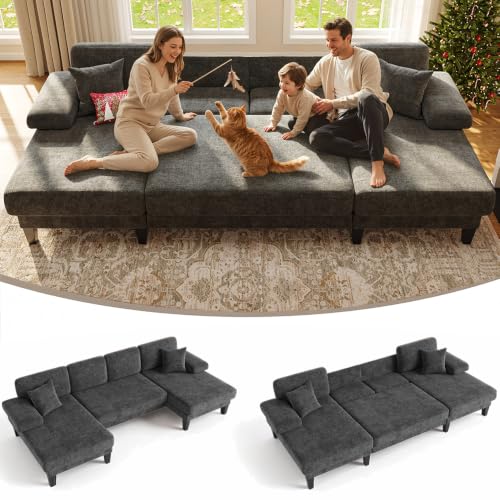
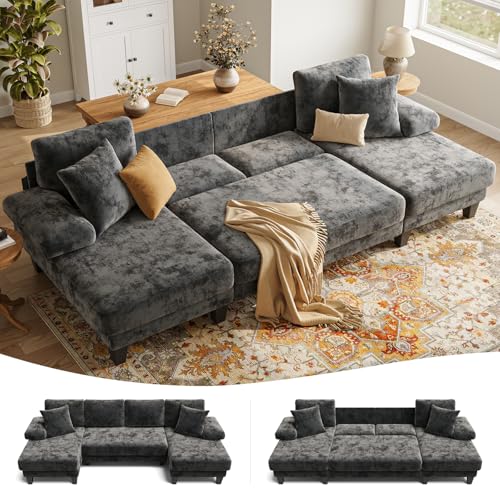
Sectional Sofas That Turn Into Beds: The Complete Guide
Everything you need to know about sleeper sectionals — from pull-out and fold-out mechanisms to comfort, durability, and choosing the right configuration for your living space.
START THE GUIDEWhy this guide matters: A sectional sofa that turns into a bed is one of the most versatile pieces of furniture you can own. It serves as everyday seating, a guest sleeping solution, and a space-saving centerpiece. But not all sleeper sectionals are built the same. This guide breaks down the mechanisms, materials, and configurations so you can make an informed decision before you buy.
What Is a Sectional Sofa That Turns Into a Bed?
A sectional sofa that turns into a bed — often called a sleeper sectional or convertible sectional — combines the seating capacity of an L-shaped or U-shaped sofa with a hidden or fold-out sleeping surface. These pieces are designed for dual-purpose living: comfortable lounging by day and a functional bed by night. They are especially valuable in apartments, guest rooms, home offices, and open-plan living areas where space is shared.
Unlike a traditional sofa bed, a sectional sleeper typically offers more seating, a larger sleeping area, and often additional storage. The conversion mechanism can be a pull-out mattress, a fold-down backrest, or a pop-up trundle-style system. Choosing the right one depends on how often you expect guests to sleep over, the size of your room, and how much seating you need day to day.
Main Types of Sleeper Sectionals
Sleeper sectionals fall into a few broad categories based on their conversion mechanism. Each has distinct strengths, and the right choice depends on your priorities — frequent hosting, everyday comfort, or maximum space efficiency.
Pull-Out Sleeper Sectional
The most common design. A metal frame unfolds from under the seat cushions, revealing a full mattress. These are ideal for regular overnight guests because the mattress is thicker and more supportive than fold-out alternatives. Mid-range and premium models often include upgraded mattress layers and reinforced frames for longer service life.
Fold-Out Sectional Sofa
The backrest or seat folds flat to create a sleeping surface. These are lighter and easier to operate, but the mattress is typically thinner. They suit occasional guest use and smaller rooms where a pull-out frame would be impractical. Entry-level to mid-range models are widely available in this category.
Trundle-Style Sleeper Sectional
A hidden bed slides out or pops up from beneath the seating. These are excellent for compact living spaces and can sometimes accommodate two separate sleeping areas. The mechanism is simple and durable, though the sleeping surface may be smaller than a full pull-out.
Modular Sleeper Sectional
Individual pieces can be rearranged, and one or more modules converts into a bed. These are the most flexible option for changing layouts and open-plan homes. Premium and luxury tiers often feature high-grade upholstery and reinforced connectors for frequent reconfiguration.
For those who prefer a more traditional reclining experience, recliner sofa beds are a related category worth exploring. If you are specifically comparing convertible couch styles, our guide to sectional couches that turn into beds provides additional context. And if you are leaning toward a classic L-shape without a sleeper mechanism, the broader sectionals category covers standard configurations.
How to Choose the Right Sleeper Sectional
Buying a sleeper sectional is a long-term decision. The right model should balance seating comfort, sleeping support, room fit, and durability. Use the checklist below to evaluate your options systematically.
1. Measure Your Room and Doorways
Sectionals are large. Before anything else, measure the available wall space, the room's traffic flow, and the width of doorways and stairwells. A modular design may be easier to deliver and assemble in tight spaces. Confirm the footprint both as a sofa and as a bed — the sleeping surface extends outward significantly on pull-out models.
2. Decide on the Conversion Mechanism
If guests sleep over frequently, prioritize a pull-out model with a thicker mattress and a reinforced metal frame. For occasional use, a fold-out or trundle design is lighter and more space-efficient. Test the mechanism in person if possible; smooth operation and secure locking are signs of solid build quality.
3. Evaluate the Mattress and Cushion Support
The mattress inside a sleeper sectional is often the weakest link. Look for high-density foam or innerspring layers that resist bottoming out. Seat cushions should be firm enough to support daily sitting without sagging. Premium tiers typically use higher-density foam and stronger suspension systems, which translate to better long-term comfort.
4. Consider Upholstery and Frame Durability
Fabric choice affects maintenance and longevity. Performance fabrics resist stains and wear, while leather and leather alternatives are easier to wipe clean. The frame should be kiln-dried hardwood or high-grade steel — both are indicators of durable construction. Reinforced joints and corner blocks add stability, especially important for larger sectionals.
5. Plan for Storage and Accessories
Many sleeper sectionals include hidden storage compartments for bedding and pillows. This is a meaningful advantage in small spaces. Pair your sectional with complementary pieces such as a small bedroom storage solution or a small apartment furniture arrangement to keep the room functional and uncluttered.
6. Match the Style to Your Space
Sleeper sectionals are available in modern, transitional, rustic, and minimalist styles. If your room leans toward a relaxed, natural aesthetic, a Scandinavian bedroom or rustic bedroom approach can guide your material and color choices. For compact rooms, small bedroom solutions and small bedroom decor offer layout ideas that work well with a convertible sofa.
Sleeper Sectional Comparison by Tier
The table below summarizes how sleeper sectionals differ across market tiers. Use it to align your expectations with the category you are shopping in. Tiers are relative and reflect build quality, materials, and mechanism sophistication rather than any specific figure.
| Tier | Best For | Typical Characteristics | Mechanism Quality |
|---|---|---|---|
| Entry-Level | Occasional guest use, starter apartments | Simpler frames, thinner mattresses, basic fabrics | Fold-out or basic pull-out |
| Mid-Range | Regular hosting, family living rooms | Reinforced frames, higher-density foam, performance fabrics | Smooth pull-out with upgraded mattress |
| Premium | Frequent overnight guests, primary living space | Hardwood frames, premium upholstery, layered mattress construction | Heavy-duty pull-out, secure locking |
| Luxury | Design-focused homes, long-term investment | High-grade materials, custom configurations, refined detailing | Flagship mechanism, precision engineering |
Comfort and Sleep Quality Tips
A sleeper sectional is only as good as the sleep it delivers. If you plan to use the bed function regularly, consider these practical improvements:
- Add a mattress topper. A quality topper can transform a thin sleeper mattress into a comfortable sleeping surface, especially on entry-level and mid-range models.
- Upgrade your bedding. Breathable sheets and a supportive pillow make a noticeable difference. Explore silk sheets for a smooth, temperature-regulating option or satin bedsheets for a soft feel.
- Match the pillow to the sleeper. Side sleepers benefit from a thicker, contouring pillow. Our side sleeper guide explains how to choose the right loft and firmness.
- Consider sleep positioners. If guests have specific comfort needs, sleep positioners can improve alignment and reduce pressure points.
- Track sleep quality over time. If the bed is used nightly, a sleep tracker can help you evaluate whether the setup supports restful sleep.
If you are also furnishing the surrounding room, a reading light near the sectional makes the space more functional for evening use. A reading bedside lamp or a small bedside table lamp can provide focused illumination without taking up much floor space.
Buying Guide: Questions to Ask Before You Purchase
Before finalizing your choice, run through these questions. They address the most common sources of buyer regret with sleeper sectionals.
Does the sleeping surface fit your guests?
Check the dimensions of the bed when fully extended. A queen-size sleeping surface is ideal for couples, while a full or twin size may suffice for single guests. Compare the extended footprint with your room layout — pull-out models need clear space in front of the sofa.
How often will the bed be used?
Frequent use justifies a premium pull-out mechanism and a higher-density mattress. Occasional use can be served well by a fold-out or trundle design, which is typically lighter and easier to operate.
Is the fabric suitable for your household?
Households with children or pets benefit from performance fabrics that resist stains and wear. Leather and leather alternatives are easy to clean. Removable, washable covers are a practical bonus.
What is the warranty and return policy?
A solid warranty on the frame and mechanism is a strong signal of build confidence. Review the return policy carefully, especially for large furniture that may be difficult to ship back.
Can the sectional be delivered and assembled easily?
Modular designs simplify delivery and assembly in tight spaces. Confirm whether the retailer offers in-home delivery and whether assembly is included or straightforward to complete yourself.
Frequently Asked Questions
Are sectional sofas that turn into beds comfortable for everyday sleeping?
Premium pull-out models with high-density mattresses can support everyday sleeping comfortably. Entry-level fold-out models are better suited for occasional guest use. Adding a mattress topper significantly improves comfort across all tiers.
How much floor space does a sleeper sectional need?
A pull-out sectional requires clear space in front of the sofa equal to the length of the extended bed. Measure both the sofa footprint and the extended sleeping area before purchasing, and account for traffic flow around the room.
What is the difference between a sleeper sectional and a sofa bed?
A sleeper sectional combines sectional seating with a convertible bed, typically offering more seating and a larger sleeping area. A traditional sofa bed is usually a two- or three-seat sofa with a fold-out mattress. Sleeper sectionals often include storage and modular options.
Can a sleeper sectional be used in a small apartment?
Yes. Modular and trundle-style sleeper sectionals are designed for compact spaces. Pair them with space-saving furniture and storage solutions to keep the room functional. See our small apartment furniture guide for layout ideas.
How do I maintain the mattress inside a sleeper sectional?
Rotate the mattress periodically if possible, use a mattress protector, and air it out after extended use. Vacuum the mattress surface regularly and follow the manufacturer's cleaning instructions for the upholstery.
What frame material is best for a sleeper sectional?
Kiln-dried hardwood and high-grade steel are the most durable frame materials. Reinforced joints and corner blocks improve stability. Avoid frames made from particle board or thin metal, which are more prone to wear over time.
Ready to Compare Sleeper Sectionals?
Explore recommended models and check availability through our curated product selection below.
VIEW RECOMMENDED OPTIONSFinal Thoughts
A sectional sofa that turns into a bed is a smart investment for multifunctional living. The key is to match the conversion mechanism, mattress quality, and upholstery to your actual usage patterns. Prioritize durable construction and a comfortable sleeping surface if guests stay over regularly, and choose a modular or trundle design if space is tight. With the right choice, your sleeper sectional becomes the most hardworking piece of furniture in your home — seating by day, restful sleep by night.