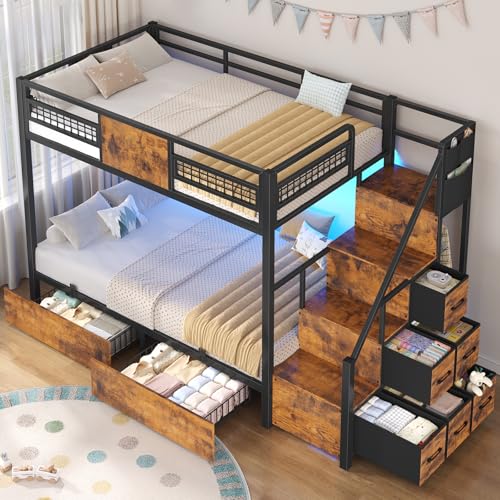
Wooden Bunk Beds with Mattresses: A Complete Buyer's Guide
Everything you need to know before choosing a wooden bunk bed and pairing it with the right mattress — frame construction, safety standards, sizing, and practical setup advice for families and adults alike.
Why Choose Wooden Bunk Beds with Mattresses?
A wooden bunk bed with mattresses is more than a space-saving solution. Wood brings natural warmth and texture to a bedroom, ages gracefully, and pairs easily with a wide range of decor styles — from rustic and farmhouse to Scandinavian and contemporary. For households with children, a bunk configuration doubles the sleeping capacity of a single footprint, freeing up floor space for study, play, or storage.
Buying the frame and mattresses together, whether as a bundle or as a carefully matched combination, removes much of the guesswork. The frame determines the maximum mattress profile, the slat spacing, and the overall weight rating; the mattress determines comfort, support, and how safely the top bunk can be used. Treating them as one system rather than two separate purchases is the single most useful mindset shift for a first-time bunk buyer.
Wooden bunks also tend to be quieter and warmer to the touch than metal frames, and solid wood models can be refinished or repainted to match a changing room. If you are still exploring broader frame options, our overview of bed frames and the collection of beds and frames provide useful context before you commit to a bunk configuration.
The Anatomy of a Wooden Bunk Bed
Understanding the main components helps you evaluate listings with confidence. A well-built wooden bunk bed typically includes:
- Corner posts and legs: The load-bearing verticals. Thicker posts — often described as heavy-duty or reinforced — indicate a frame built for adult use or long-term durability.
- Side rails: Horizontal supports that carry the mattress platform. Look for rails that are glued, screwed, and reinforced with metal brackets rather than relying on screws alone.
- Slat system: Wooden slats distribute weight across the frame. Closely spaced slats with a center support rail are preferable for heavier mattresses and adult sleepers.
- Guardrails: Essential on the top bunk. The rail height above the mattress surface is the key safety measurement.
- Ladder or stairs: Integrated ladders are common; stair configurations are easier for younger children and can double as storage in some designs.
- Headboard and footboard: Often decorative, but they also add structural rigidity to the frame.
Joinery quality separates tiers more than any other factor. Entry-level frames frequently use butt joints and visible screws; mid-range and premium frames use mortise-and-tenon joints, dowels, or concealed hardware that resist loosening over years of use.
Wood Types and Construction Quality
The species and grade of wood directly affect strength, weight, and how the frame holds up over time. Common options include:
- Pine: A softer wood often found in entry-level and children's bunks. It is lightweight and easy to finish, but it dents more readily and may need periodic tightening.
- Rubberwood: A dense, hard hardwood frequently used in mid-range furniture. It takes paint and stain well and offers a solid balance of durability and workability.
- Oak and maple: Hard, heavy woods used in premium and high-end tier frames. These resist wear exceptionally well and suit adult-oriented bunks.
- Birch and beech: Strong hardwoods with clean grain, common in Scandinavian-style designs and mid-tier to premium builds.
- Engineered wood and MDF: Found in some starter-tier frames. Acceptable for light use, but check that critical load points are reinforced with solid wood or metal.
Beyond species, check the finish. A water-based, low-VOC finish is preferable for bedrooms, especially children's rooms. Look for descriptions such as solid build, reinforced joinery, and high-grade hardware — these are more meaningful indicators of quality than decorative styling alone.
Pairing Mattresses with Wooden Bunk Beds
The mattress is not an afterthought on a bunk bed — it is a safety component. On the top bunk, the mattress must sit low enough that the guardrail remains effective. A mattress that rises above the rail creates a fall hazard, regardless of how comfortable it is.
Thickness and profile
Most wooden bunk beds specify a maximum mattress height for the top bunk, commonly in the six-to-eight-inch range. A thinner, firmer mattress keeps the sleeper safely below the guardrail. On the bottom bunk, a standard profile is usually fine, though a very thick mattress can make climbing in and out awkward.
Firmness and support
Bunk mattresses generally benefit from medium-firm to firm support. A firmer surface distributes weight more predictably across the slats and reduces the chance of the mattress sagging into the frame over time. Memory foam and hybrid mattresses work well when their thickness complies with the frame's limit.
Material considerations
- Foam and memory foam: Quiet, motion-isolating, and available in thin profiles suited to top bunks.
- Innerspring: Traditional support with good airflow; choose a model with a reinforced edge if it will be used on the top bunk.
- Hybrid: Combines foam comfort with coil support; check the total height carefully against the rail limit.
- Latex: Durable and breathable, though often heavier and thicker.
If you are sourcing mattresses separately, our guide to twin size bunk beds covers common mattress dimensions, and the trundle bunk beds with mattresses overview explains how a third sleeping surface changes the mattress math. For households replacing older bedding, the advice on when to replace a mattress is a useful checkpoint before reusing an existing mattress on a new frame.
Size and Configuration Options
Wooden bunk beds are available in several configurations, and the right choice depends on who will sleep in them and how much floor space you can spare.
| Configuration | Best For | Key Consideration |
|---|---|---|
| Twin over twin | Children sharing a room; guest rooms | Compact footprint; mattress height limits on top bunk |
| Full over full | Teens and adults; longer-term use | Wider footprint; heavier frame required |
| Twin over full | Mixed-age siblings; flexible guest use | Different mattress sizes needed for each level |
| Loft with desk or storage below | Study-focused rooms; small bedrooms | Ceiling height and ladder placement |
| Convertible / separable | Growing families; changing needs | Verify each half has independent support |
Adult sleepers should prioritise full-over-full or queen configurations. The guide to queen size bunk beds for adults explains how larger frames handle weight ratings, and the twin over full bunk beds article is helpful if you want one level sized for a child and one for an adult. Those working with limited ceiling height should read the notes on bunk beds for low ceilings before ordering.
Safety Essentials and Guardrails
Safety is the area where careful buyers separate themselves from impulse buyers. The following checks should be part of every purchase decision:
- Guardrail height: Confirm the rail sits at least five inches above the mattress surface on the top bunk — more is better, and the manufacturer's stated minimum takes priority.
- Full-length rails: The top bunk should have guardrails on both long sides, with a gap only where the ladder attaches.
- Ladder attachment: The ladder should hook or bolt securely, not rest loosely against the frame.
- Slat spacing: Closely spaced slats prevent mattress sagging and reduce the risk of entrapment.
- Weight rating: Check the stated maximum weight per bunk, especially for adult use.
- Stability: A well-built frame should not wobble when pushed. Wall-anchoring hardware is a strong plus for tall bunks.
- Age guidance: Most safety bodies recommend the top bunk only for children aged six and older.
For frames with integrated storage or stairs, verify that the added components do not compromise the structural rating. The bunk beds with storage stairs guide covers the trade-offs in detail.
Market Tiers Explained
Because bunk beds vary enormously in construction, it helps to think in terms of market tiers rather than specific products. The descriptors below are relative and consistent throughout this guide.
| Tier | Typical Characteristics | Best For |
|---|---|---|
| Entry-level / starter tier | Softer woods or engineered panels; basic joinery; lighter slat systems | Young children; occasional guest use |
| Mid-range / balanced tier | Rubberwood or birch; reinforced joints; closer slat spacing | Everyday family use; teens |
| Premium / high-end tier | Hardwoods such as oak or maple; mortise-and-tenon joinery; heavy-duty hardware | Adult sleepers; long-term investment |
| Luxury / flagship tier | Furniture-grade hardwoods; hand-finished surfaces; convertible designs with premium detailing | Primary residences; design-led bedrooms |
A mid-range model usually offers noticeably smoother joinery and a more stable feel than an entry-level frame, while the premium tier is where adult-rated durability and refined finishing become standard. The heavy-duty bunk beds with storage overview is useful if you need a frame at the upper end of the durability scale.
Matching a Wooden Bunk to Your Room
Bunk beds are space-efficient, but they still need breathing room. Leave at least a couple of feet of clearance around the frame for safe ladder access and for making the beds. Consider ceiling height: a top bunk plus a standing child needs comfortable headroom, and loft designs need even more.
Wood tones should harmonise with existing furniture. Light pines and birches suit airy, Scandinavian-inspired rooms, while deeper oaks and walnuts anchor traditional or rustic spaces. If the room is compact, the ideas in our small bedroom decor guide can help you balance the visual weight of a bunk. Pairing the frame with a well-placed bedroom rug also softens the acoustics and defines the sleeping zone.
For shared rooms, assign each bunk a small personal zone — a shelf, a reading light, or a bedside surface. Small touches make a shared space feel individual, which matters enormously for children sharing a room.
Assembly and Setup Tips
Most wooden bunk beds ship flat-packed and require assembly. A few practices make the process safer and the result more durable:
- Assemble on a soft surface to avoid scratching the finish, and sort hardware before starting.
- Follow the manufacturer's sequence — tightening certain bolts too early can misalign the frame.
- Use a second person for the top bunk and guardrail installation; these components are awkward to lift alone.
- Re-check all fasteners after the first week of use, then periodically thereafter.
- Anchor tall frames to the wall where hardware is provided, especially in homes with energetic children.
- Place the ladder on a stable, level surface and keep the approach clear of clutter.
If the bunk will sit in a room with a sloping ceiling or a window nearby, plan the layout before assembly. Moving a fully built bunk is far harder than positioning it correctly the first time.
Long-Term Care and Maintenance
Wooden bunk beds reward a little routine attention. Dust the frame regularly with a dry or slightly damp cloth, and avoid harsh chemical cleaners that can dull the finish. Check joints and fasteners every few months — a quick tighten prevents the gradual loosening that makes frames feel unstable.
Rotate and flip mattresses where the manufacturer allows it, and air them periodically to manage moisture. If a mattress has seen years of use, review the signs covered in our mattress replacement guide before carrying it over to a new frame. For families planning for older children, exploring bunk beds that separate into twin beds is a smart way to future-proof the purchase.
Frequently Asked Questions
What mattress thickness works best with wooden bunk beds?
For the top bunk, choose a mattress that sits at or below the guardrail height, which usually means a profile in the range of six to eight inches. For the bottom bunk, a standard mattress profile works well. Always verify the manufacturer's maximum mattress height recommendation before pairing a mattress with a wooden bunk bed.
Are wooden bunk beds sturdy enough for adults?
Yes, if the frame is rated for adult use. Look for solid wood or reinforced hardwood construction, a robust slat system, and a manufacturer weight rating that covers the intended users. Adult-oriented wooden bunks, including full-over-full and queen models, are built with thicker posts and stronger joinery than starter-tier children's frames.
Do wooden bunk beds include mattresses?
Some bundles include mattresses, but many wooden bunk beds ship as frame-only products. Always confirm what the package contains. If mattresses are included, check their firmness, thickness, and material to make sure they suit the sleeper and fit safely under the guardrails.
Can wooden bunk beds be separated into two beds?
Many wooden bunk bed designs are convertible and can be split into two freestanding beds, which extends their usable life as children grow or needs change. Look for models explicitly described as separable or convertible, and check that each half includes its own support legs and slats.
Ready to Choose Your Wooden Bunk Bed?
You now have the framework to evaluate any wooden bunk bed with confidence: check the wood species and joinery, confirm the weight rating, match the mattress to the guardrail height, and plan the room layout before assembly. Below are recommended wooden bunk beds with mattresses that match the criteria discussed in this guide.