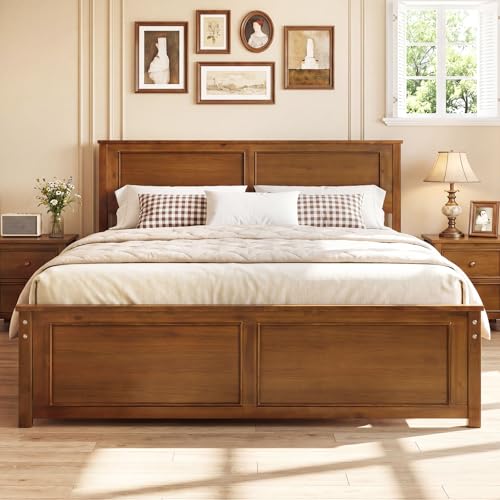
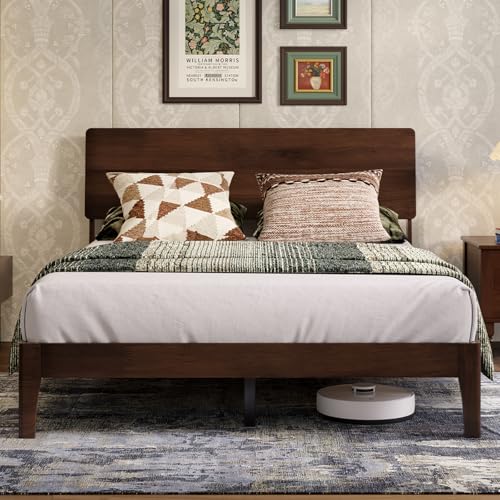
Beds with Wooden Headboard: Complete Buying Guide & Ideas
Discover how a wooden headboard bed combines warmth, structure, and timeless design. Learn about wood species, frame types, styling strategies, and practical considerations to choose the right bed for your sleep sanctuary.
Why wooden headboards endure: A wooden headboard anchors your bed visually, adds natural texture, and often outlasts upholstered alternatives in terms of structural integrity. Whether you prefer a minimalist oak slab or an intricately carved walnut panel, understanding the options helps you invest wisely in a piece that defines your bedroom for years.
Why Choose a Bed with a Wooden Headboard?
Wooden headboards offer a distinct combination of aesthetic warmth, material honesty, and structural durability. Unlike fabric or leather headboards that may show wear over time, quality wood develops character and can often be refinished. Here are the primary benefits that make wooden headboards a perennial choice:
- Timeless appeal: Wood transcends design trends. From rustic to modern, a wooden headboard integrates naturally across interior styles.
- Structural integrity: Solid wood headboards provide a rigid anchor for the bed frame, reducing motion transfer and extending frame lifespan.
- Material variety: Dozens of wood species and finishes allow precise matching with existing furniture and flooring.
- Maintenance ease: Most finished wood surfaces wipe clean with a damp cloth, and scratches can often be touched up or sanded.
- Support for reading and sitting: A solid wooden headboard provides a firm backrest (cushions optional) for upright activities.
- Acoustic dampening: Solid wood panels can slightly reduce sound transmission compared to open metal frames.
For those exploring broader bed frame styles, our complete bed frames guide covers additional materials and constructions. If you need a headboard that also functions as storage, explore beds with headboards and storage.
Wood Species and Their Characteristics
The wood species determines hardness, grain pattern, color, and long-term behavior. Below is a comparative overview of common headboard woods:
| Wood Species | Hardness & Durability | Grain & Appearance | Best Suited For |
|---|---|---|---|
| Oak | High (very durable) | Prominent grain, light to medium brown | Traditional, farmhouse, and transitional styles |
| Walnut | High (dense) | Rich chocolate tones, straight to wavy grain | Modern, mid-century, and luxury settings |
| Pine | Moderate (softer) | Knotty, pale yellow to light brown | Rustic, coastal, and casual bedrooms |
| Maple | Very high (hard) | Fine, subtle grain, creamy white to light tan | Minimalist and Scandinavian aesthetics |
| Mango / Acacia | Moderate to high | Distinctive interlocking grain, varied tones | Eclectic, bohemian, and global-inspired decor |
| Birch | Moderate | Even texture, light color | Contemporary and painted finishes |
| Mahogany | High | Deep reddish-brown, fine grain | Classic, formal, and luxury bedrooms |
Choosing by tier: Entry-level wooden headboards often use pine or rubberwood with veneers. Mid-range options typically feature solid oak, birch, or acacia. High-end and luxury tiers favor solid walnut, mahogany, or teak with hand-finished details. The descriptor system reflects relative market positioning, not absolute numbers.
Frame Types with Wooden Headboards
Wooden headboards integrate with several frame constructions. Understanding the pairing helps you assess compatibility and function:
- Platform beds with wooden headboard: A solid base with slats supports the mattress directly. These beds offer clean lines and often include under-bed space. See beds with storage underneath for added utility.
- Panel beds: The headboard and footboard form a framed panel structure, typically with center supports. Classic and sturdy.
- Sleigh beds: Curved wooden headboard and footboard create a traditional profile. The wooden headboard usually features rolled or scrolled edges.
- Canopy beds: Tall posts frame the mattress, with the wooden headboard as a visual base. Suitable for large rooms with higher ceilings.
- Storage beds: Wooden headboard integrates with drawers or lift-up mechanisms. Explore beds with storage and beds with lift-up storage.
- Bookcase headboards: The headboard includes shelving for books and essentials. See beds with bookcase headboard.
For adjustable bed compatibility, review bed frames compatible with adjustable beds and beds that accommodate adjustable bases.
Design Styles for Wooden Headboard Beds
The headboard style sets the tone for the bedroom. Consider these popular approaches:
- Slatted or spindle headboards: Vertical or horizontal wood slats create a light, airy feel. Common in mid-century and coastal designs.
- Solid panel headboards: A clean, uninterrupted wood surface. Works well in modern and minimalist rooms.
- Carved or molded headboards: Decorative detailing adds traditional elegance. Often seen in sleigh and formal panel beds.
- Live-edge headboards: Natural, irregular wood edges bring organic character. Suited to rustic and eclectic interiors.
- Upholstered wooden headboards: Wood frame with padded fabric or leather inset. Combines support with softness.
- Geometric or paneled designs: Chevron, grid, or parquet patterns add visual interest without overwhelming the space.
For broader bedroom styling guidance, see our bedroom decor ideas and beds with headboard collection overview.
Pros and Cons of Wooden Headboard Beds
Advantages
- Durable and repairable surface
- Warm, natural aesthetic
- Available in many species and finishes
- Easy to clean and maintain
- Does not absorb odors like fabric
- Compatible with most mattress types
- Adds structural rigidity to the frame
Considerations
- Hard surface may require cushions for sitting up
- Heavier than metal or minimal frames
- Solid wood options sit in higher tiers
- Wood can expand or contract with humidity changes
- May show scratches or dents over time
- Limited adjustability compared to upholstered styles
How to Choose the Right Wooden Headboard Bed
Use this checklist to narrow down your selection:
- Room size: A tall, imposing wooden headboard can overwhelm small rooms. For compact spaces, review beds for small rooms and beds for studio apartments.
- Mattress size: Ensure the frame matches your mattress dimensions. King and California king options are covered in king beds and beds larger than California king.
- Weight capacity: For heavier sleepers or reinforced construction, see beds for heavy people and beds with high weight capacity.
- Storage needs: If under-bed storage matters, explore beds with storage drawers underneath and beds with under-storage drawers.
- Companion furniture: Match wood tone with nightstands. See beds with nightstands and beds with matching bedside tables.
- Style coherence: Align headboard design with existing decor—rustic pine for farmhouse, walnut for modern, oak for transitional.
- Assembly and delivery: Solid wood beds are heavier; check assembly requirements and room access.
Ready to Explore Wooden Headboard Beds?
Browse our curated selection of beds with wooden headboards across styles and tiers. Compare features, read detailed descriptions, and find the right foundation for your sleep sanctuary.
View Available OptionsFrequently Asked Questions
What are the benefits of a bed with a wooden headboard?
A wooden headboard adds warmth, visual anchor, and structural durability to a bed. Wood headboards are available in many species and finishes, offering timeless style, easy maintenance, and compatibility with various bedroom decor themes.
Which wood species are best for a wooden headboard bed?
Popular species include oak for durability, pine for a casual look, walnut for luxury, and mango or acacia for distinctive grain. Each species offers different hardness, grain pattern, and finishing characteristics suited to different styles.
How do I match a wooden headboard with my bedroom decor?
Match the wood tone to your existing furniture: light woods like birch and pine suit Scandinavian and coastal styles; medium oaks work with traditional and transitional looks; dark walnuts and mahogany pair well with modern and luxury settings. Consider finish (matte, satin, distressed) to harmonize with other textures.
Can a wooden headboard be upholstered or combined with fabric?
Yes, many wooden headboard designs include upholstered panels or inset cushioning for added comfort and softness. These hybrid designs combine the structure and warmth of wood with the tactile appeal of fabric or leather.
Continue Your Research
Explore related guides to refine your bedroom setup: